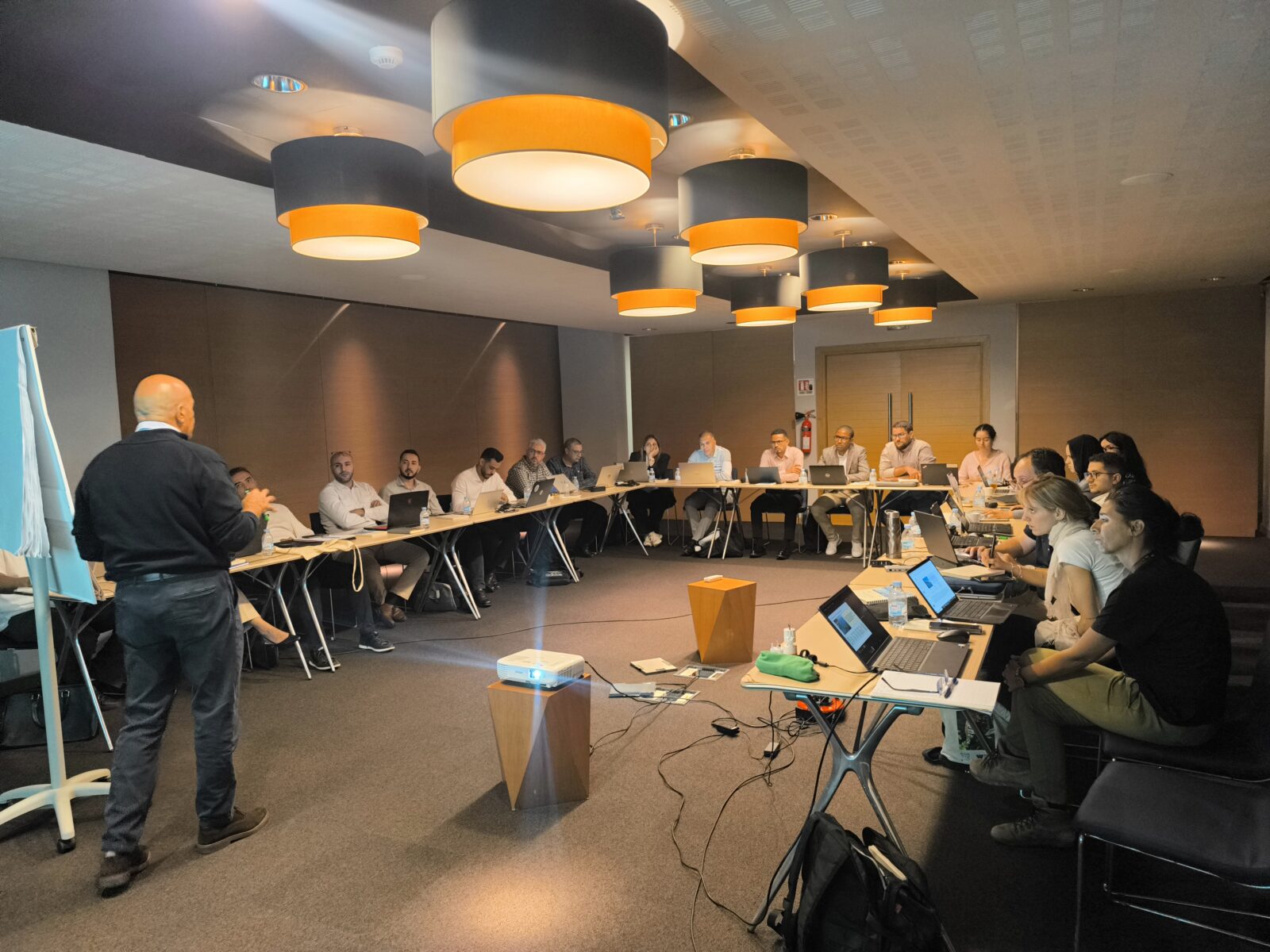
From 12 to 16 October 2026, the Regional Activity Centre for Specially Protected Areas (SPA/RAC) is organising national training in Al Hoceima, Morocco, on the Integrated Management Effectiveness Tool (IMET).
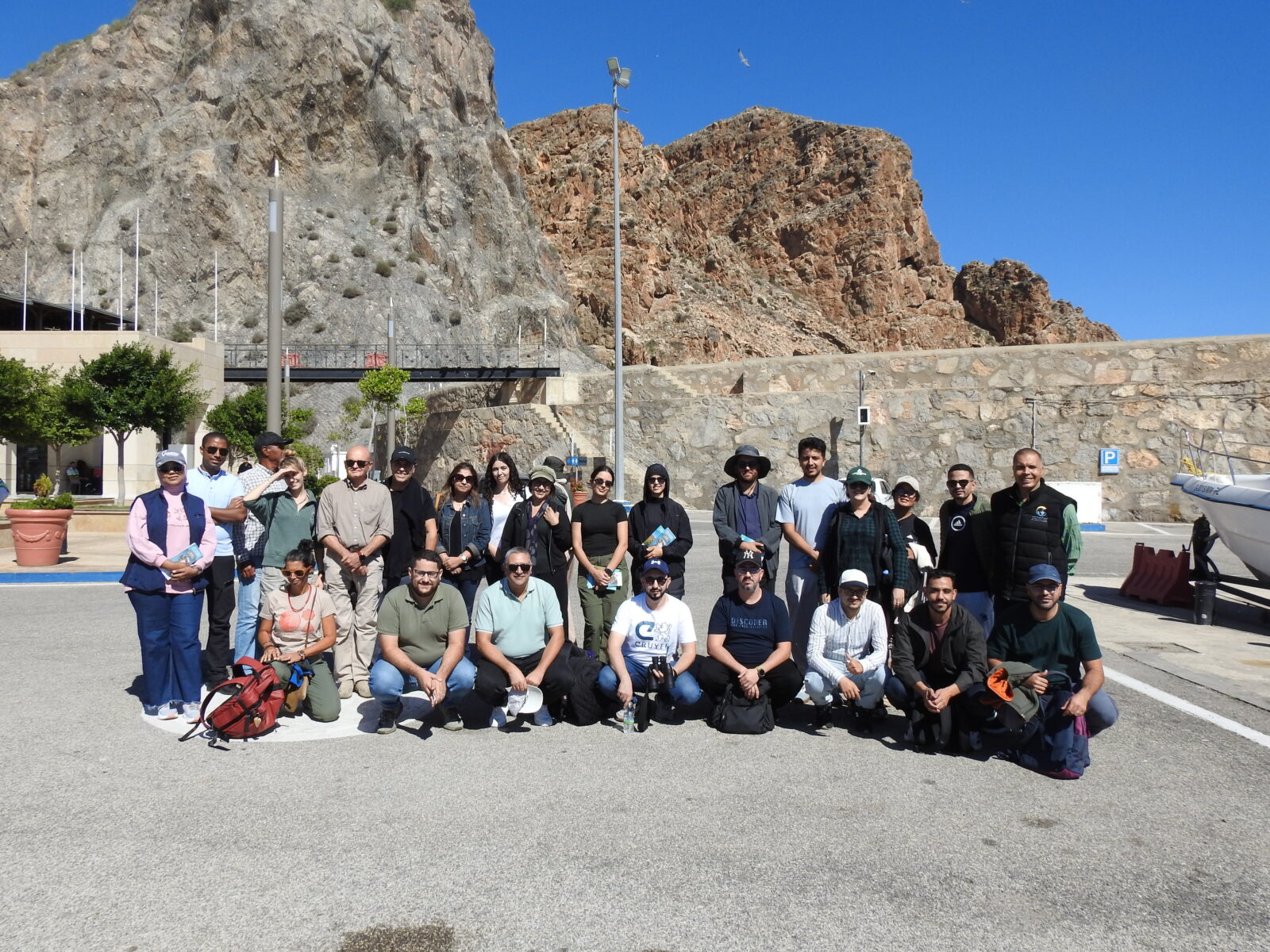
Delivered under the European Union-funded SEMPA project ‘Strengthening Mediterranean biodiversity and Marine Protected Areas for Nature’, the training focuses on assessing management effectiveness at Al Hoceima National Park. It benefits 25 participants, including 10 women.
The session aims to strengthen national stakeholders’ skills in using and facilitating IMET, while applying the tool to a specific site to assess management practices and identify areas for improvement.
Applying IMET to park management
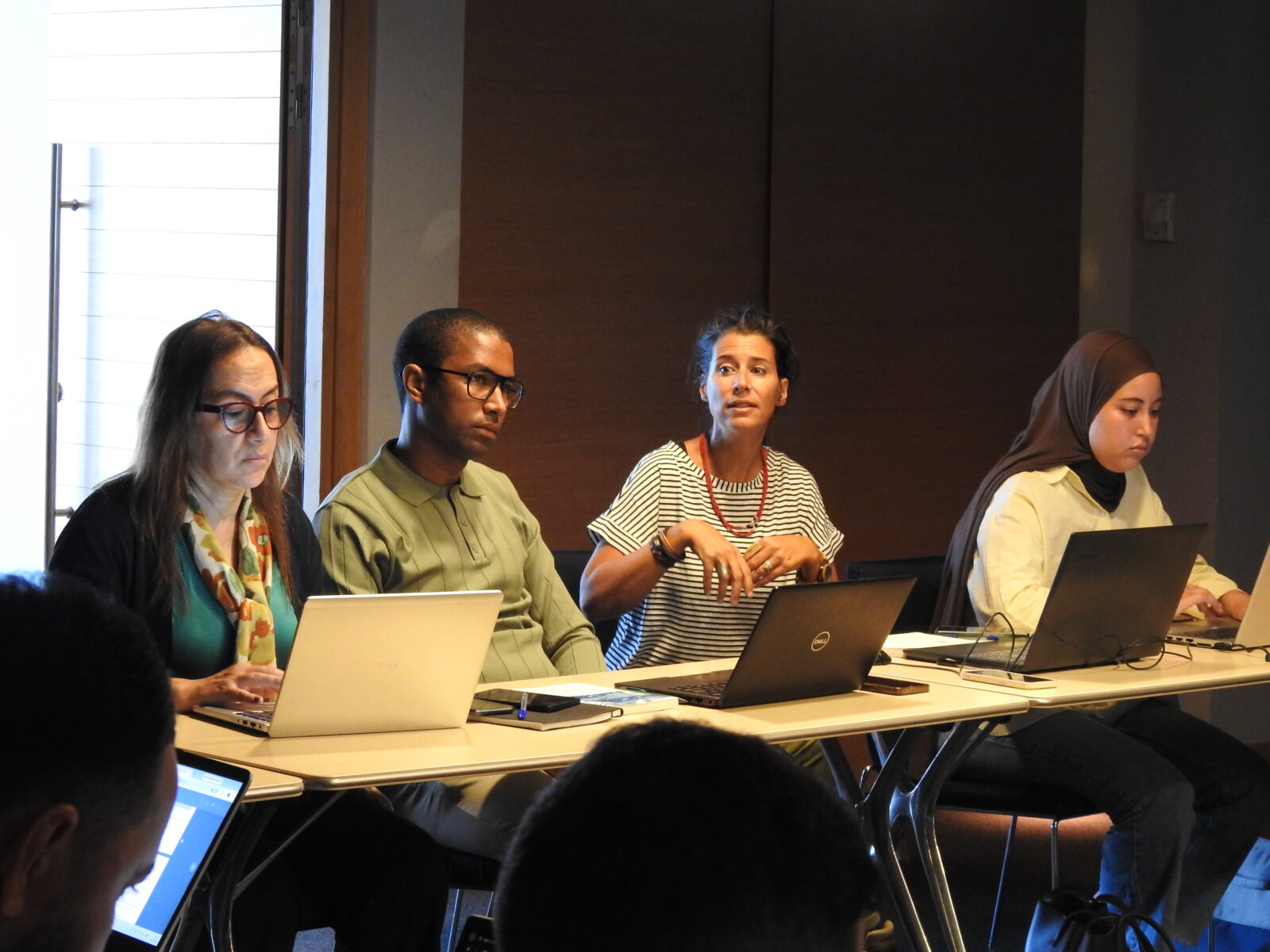
The training combines methodological presentations, practical exercises, group work and joint analysis. Following an introduction to the tool and the preparation of an assessment, participants apply IMET to Al Hoceima National Park.
The exercises cover the main components of management effectiveness: context, planning, available resources, management processes, outputs and the effects of management actions on conservation and local stakeholders. Discussions also address interactions between terrestrial and marine ecosystems, pressures on natural resources, ecosystem services, governance and local stakeholder participation.
The final day focuses on interpreting the assessment results and using them for planning and decision-making. Participants explore how assessments over time and comparisons between sites can help track changes, identify recurring gaps and set management priorities.
Connecting the assessment with field realities
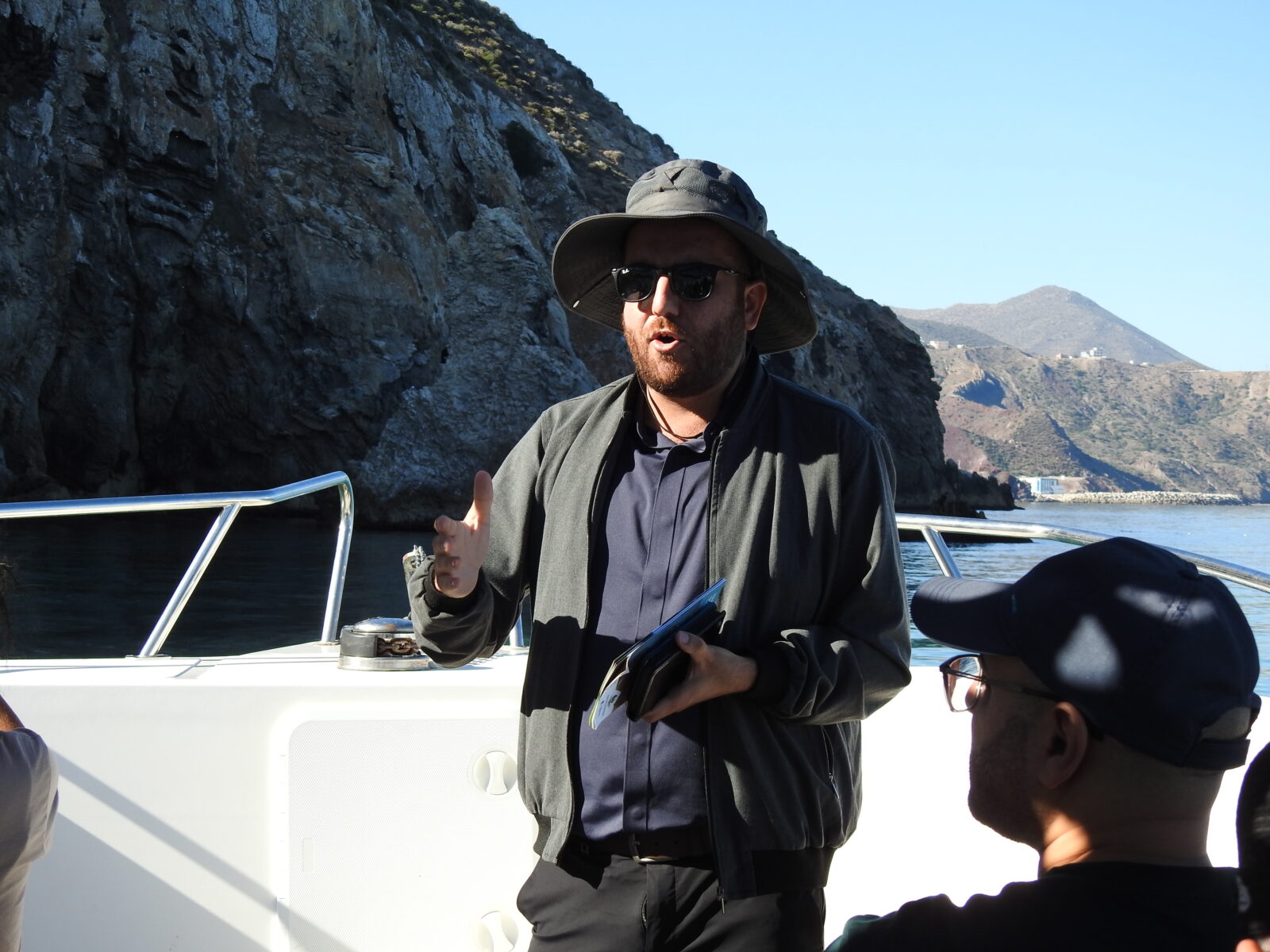
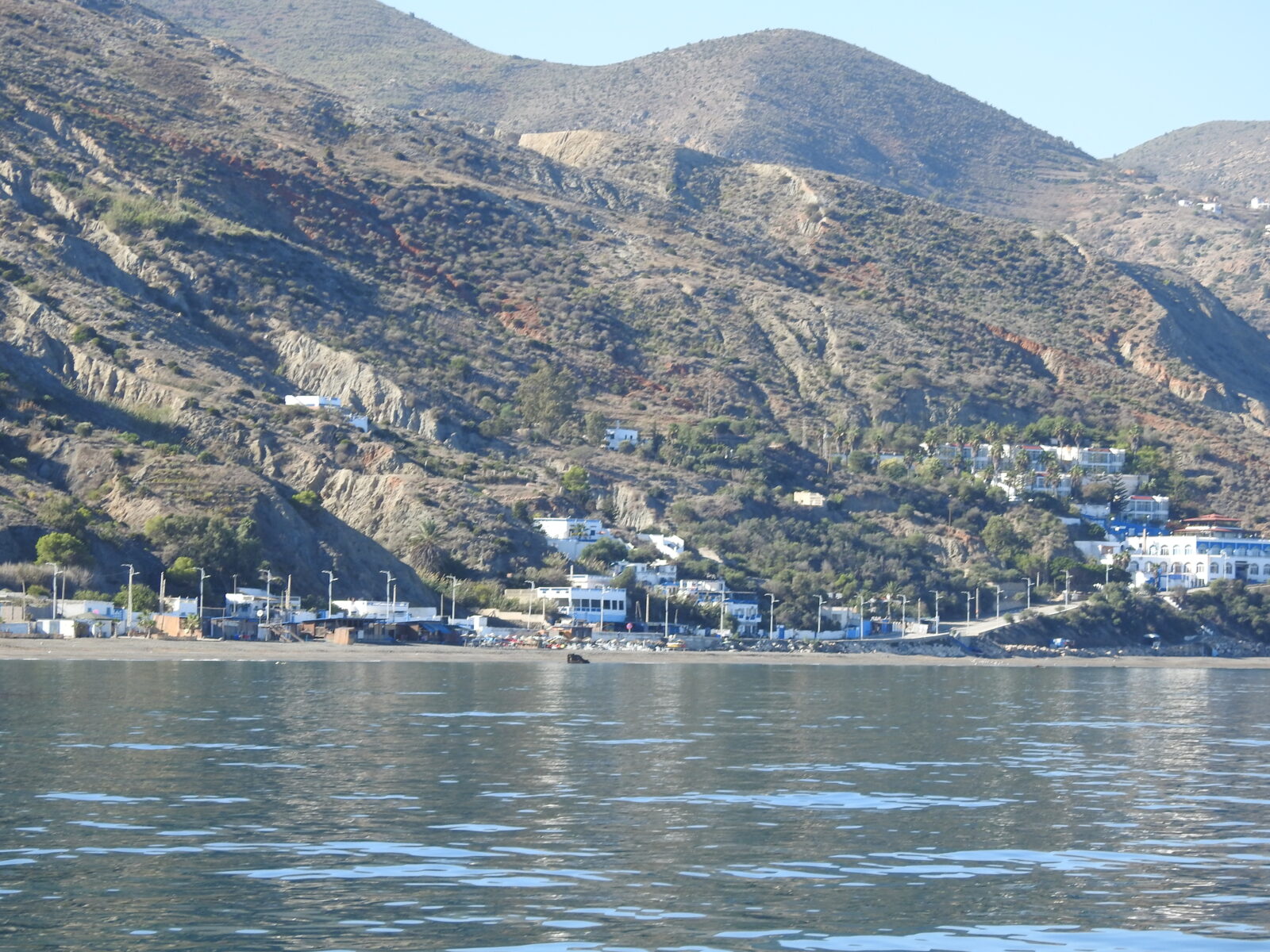
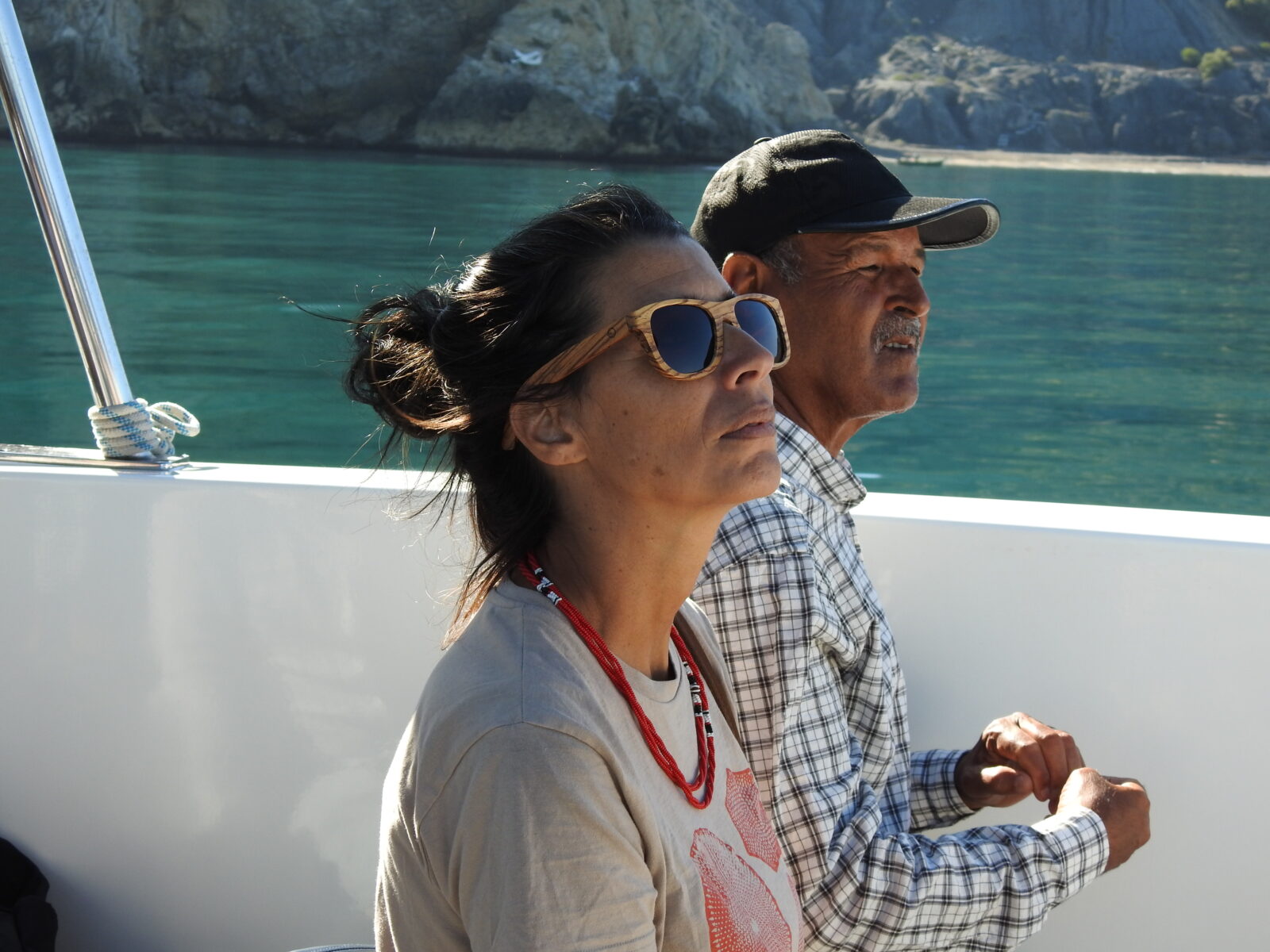
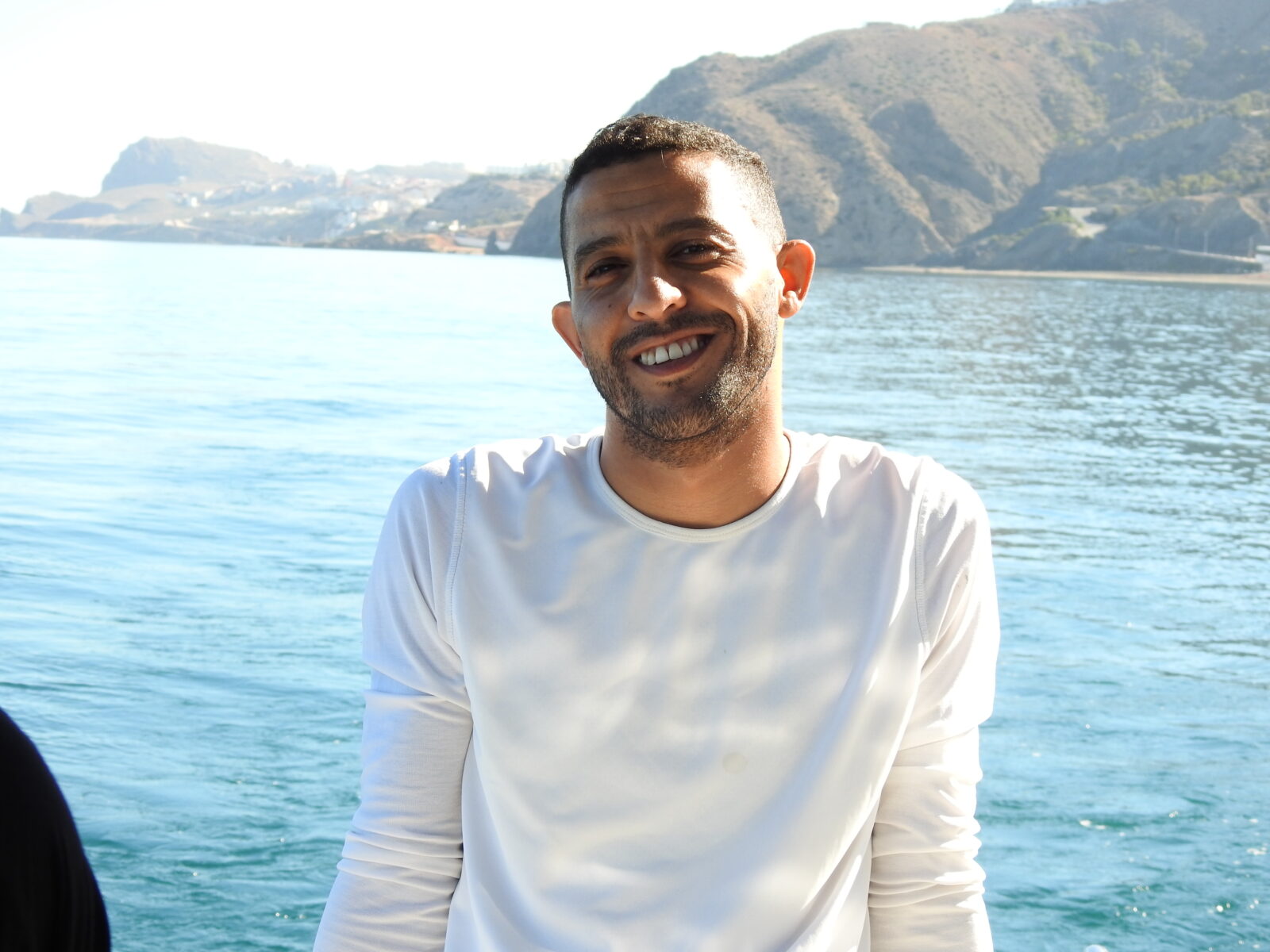
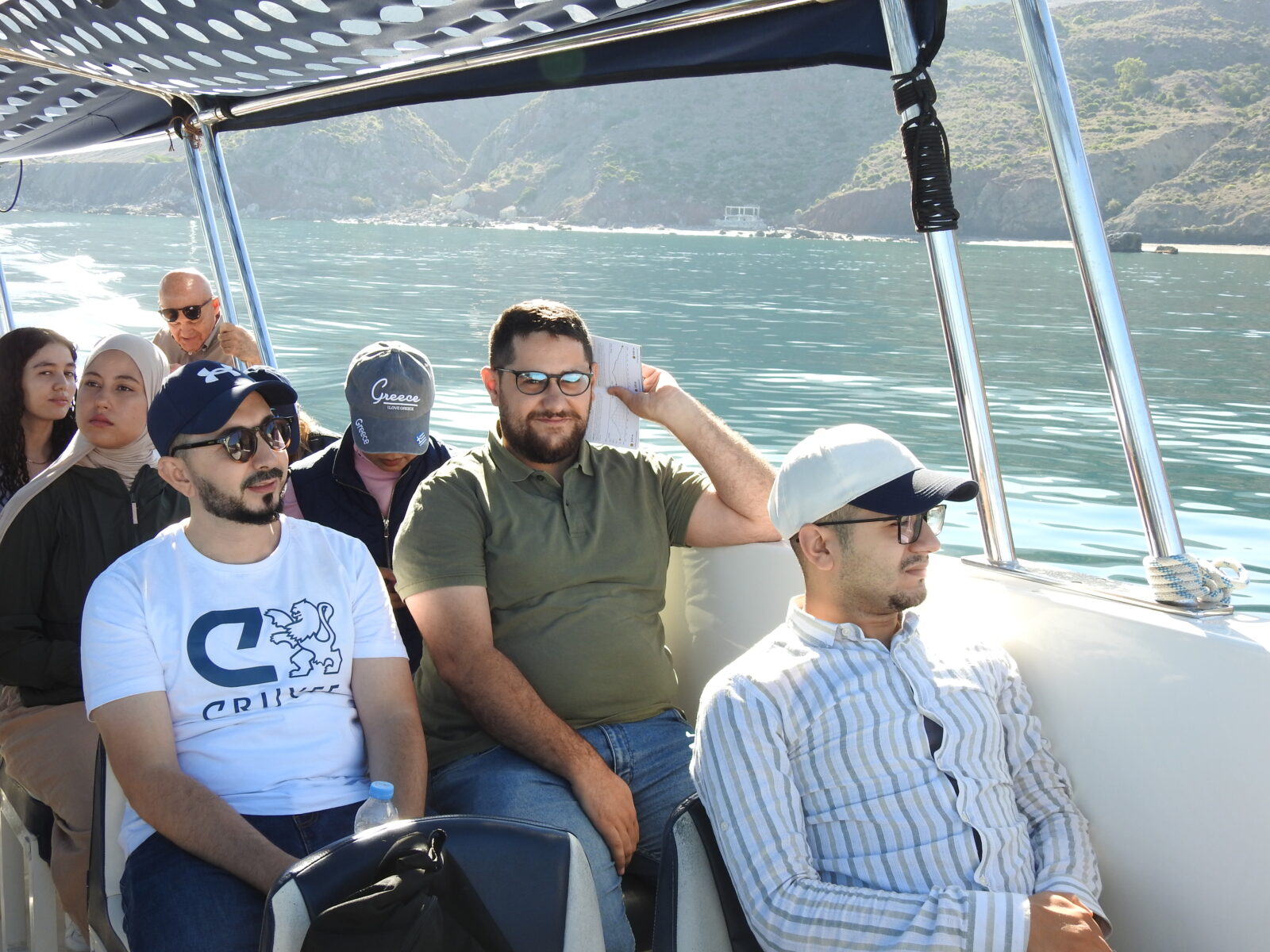
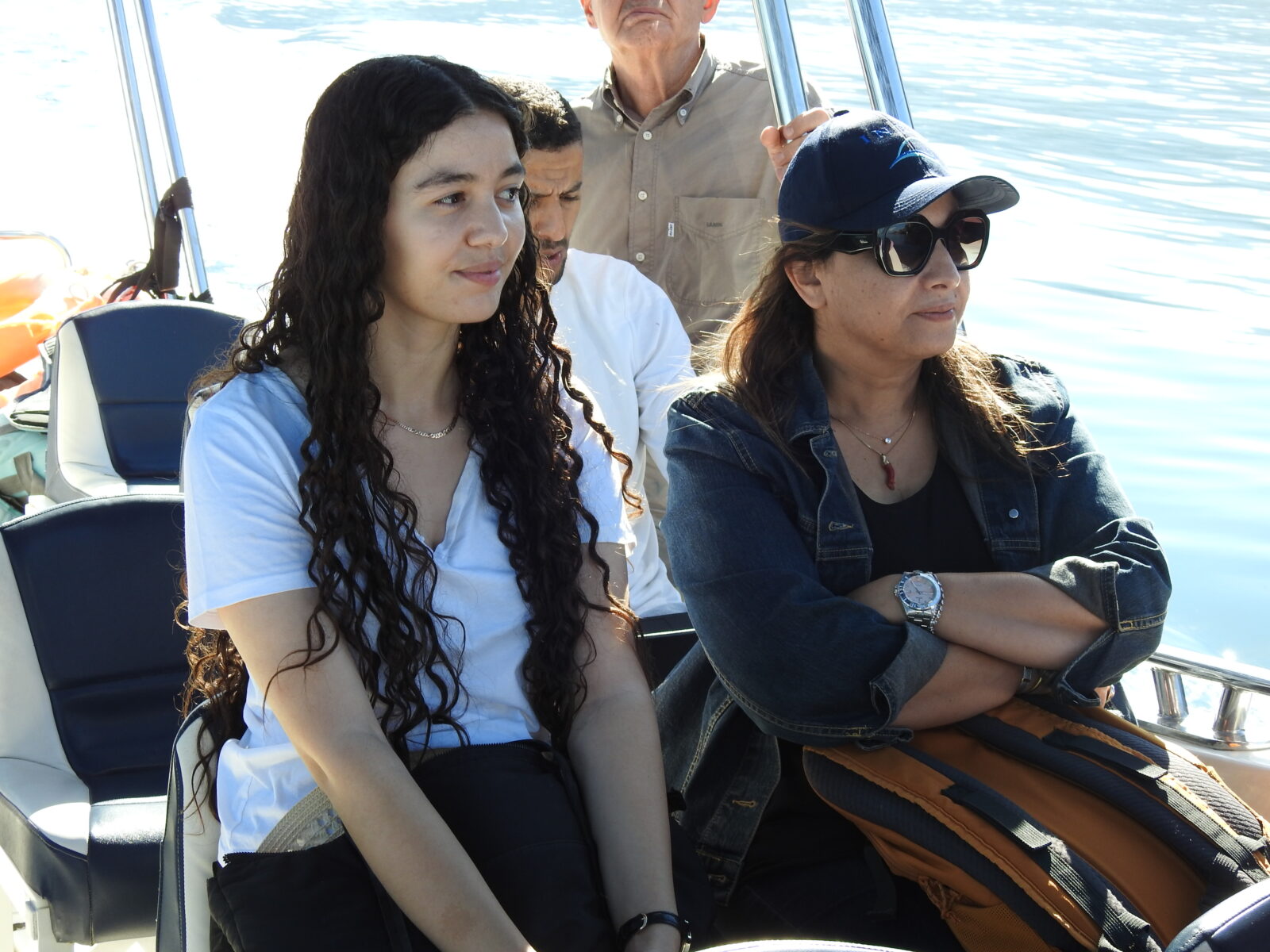
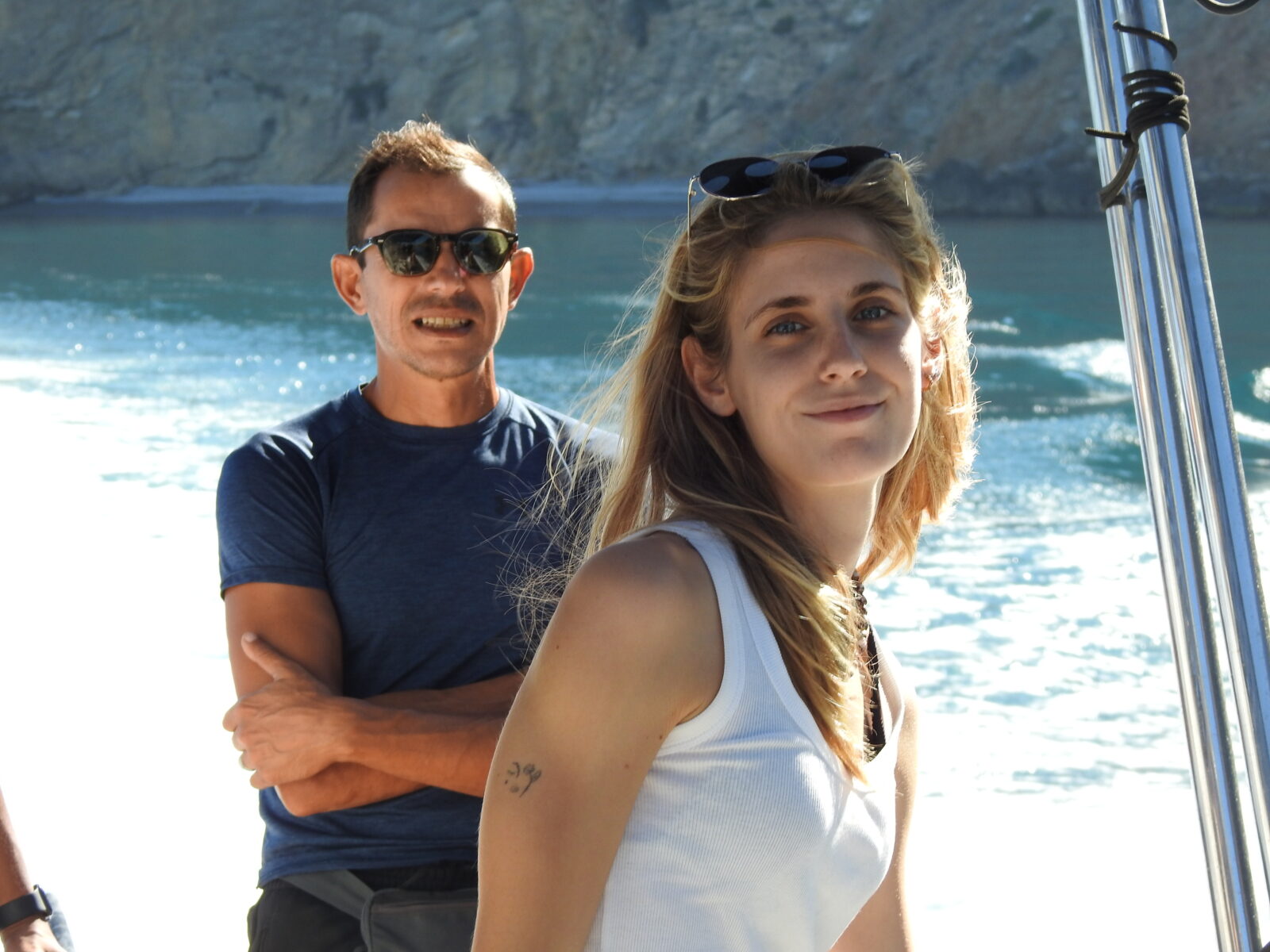
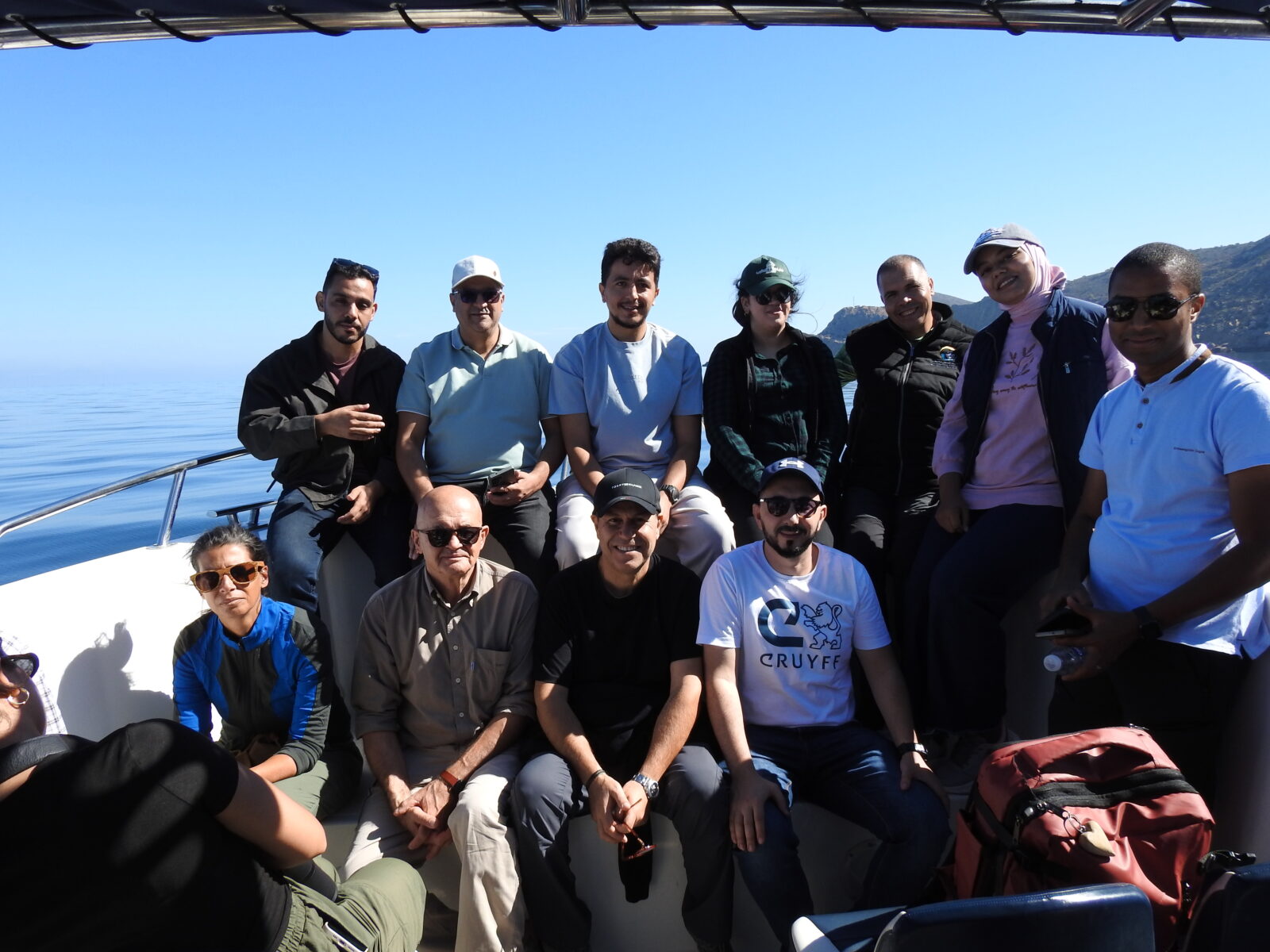
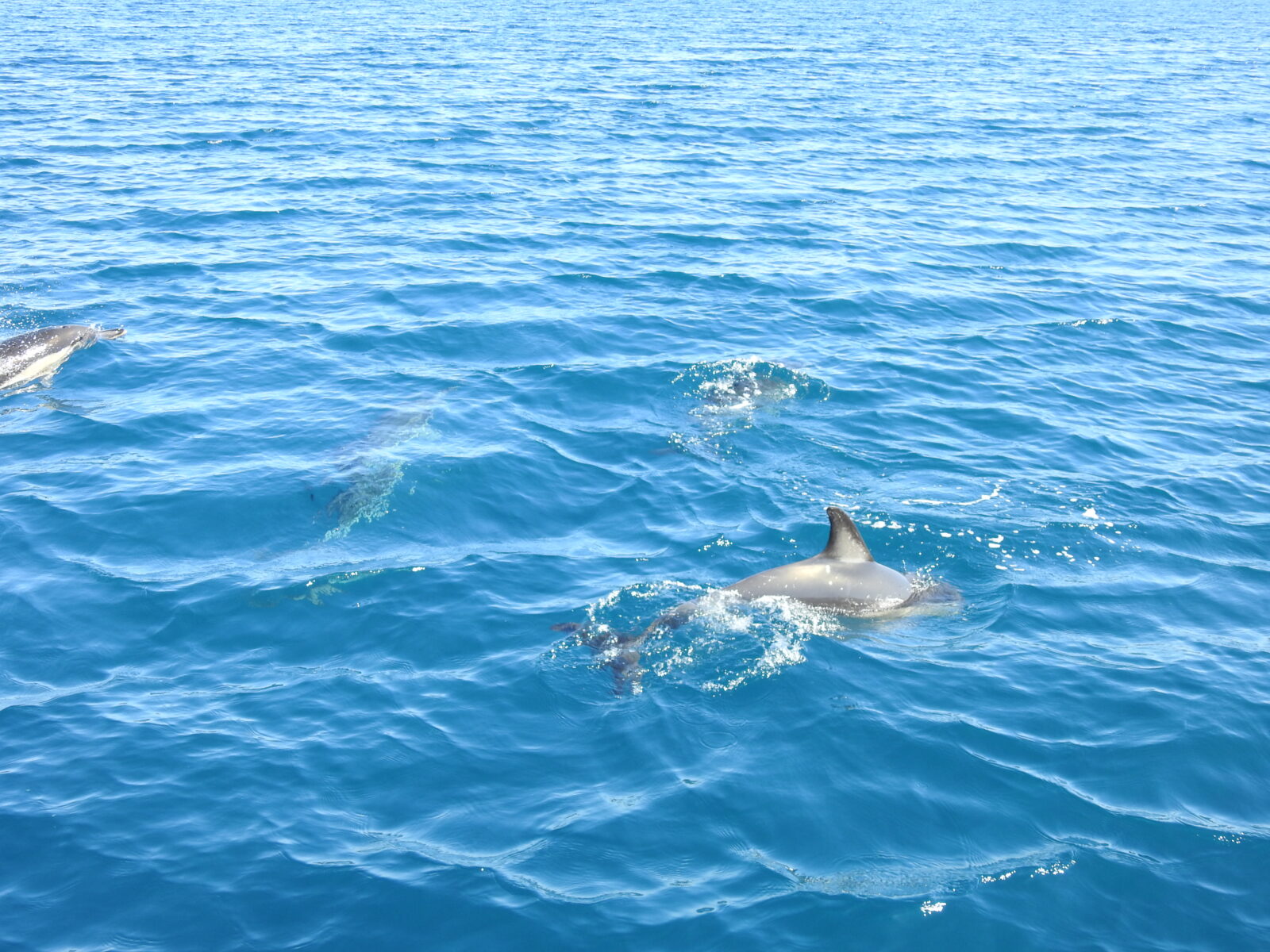
A boat trip enabled participants to observe the park’s marine and coastal environments and relate the training topics to conditions on the ground. Observations included osprey nests and a pod of more than twenty dolphins.
A local fisher and a local tour guide also shared their knowledge of the park and their observations on changes in its environment. These discussions addressed the use of natural resources, their importance to local economic activities and the pressures that may affect them.
Participants also visited the Bades women’s cooperative in Badès “Nissae Bades”, within the park. The cooperative makes handicrafts using local resources, including esparto grass and aromatic and medicinal plants. The visit highlighted a local initiative that supports the sustainable use of natural resources and income-generating activities.
Building capacity for more effective management
By combining methodological training, practical application and exchanges with local stakeholders, the session contributes to strengthening national capacities to assess protected area management effectiveness.
It is part of the SEMPA project’s capacity-building programme, which aims to promote effective management of marine and coastal protected areas and support Mediterranean biodiversity conservation in Algeria, Egypt, Lebanon, Libya, Morocco and Tunisia.