Learning from a successful Mediterranean experience
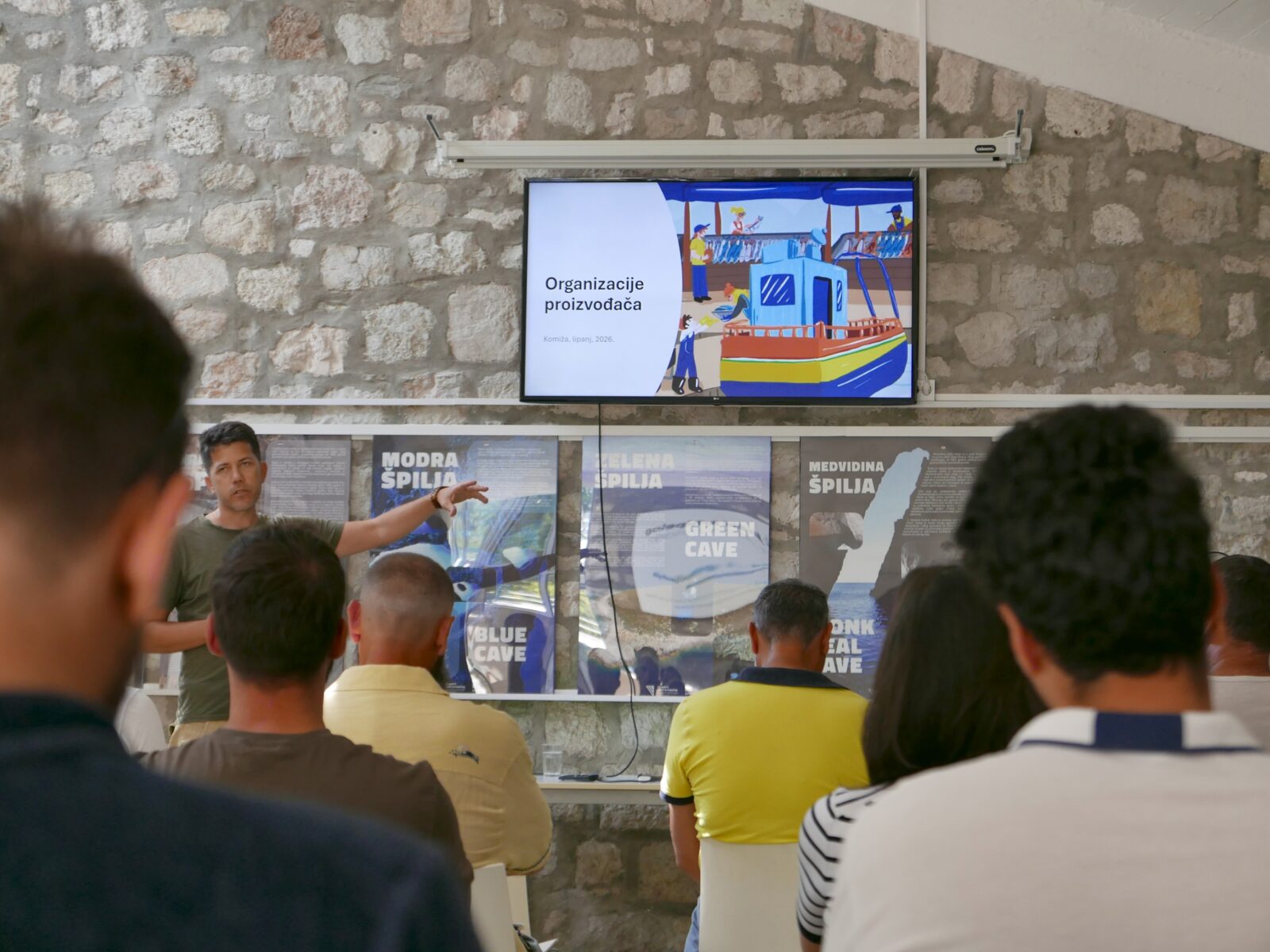
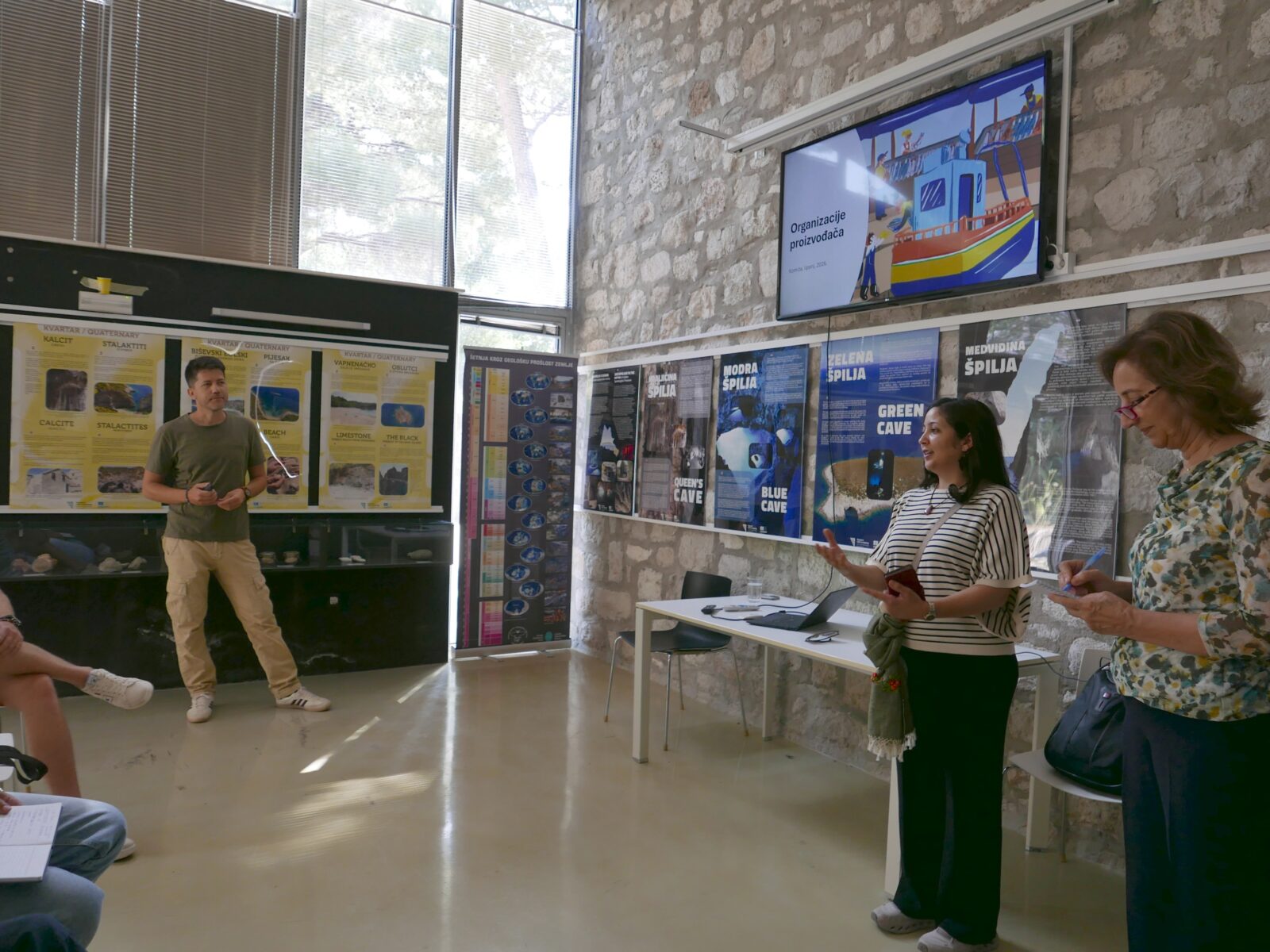
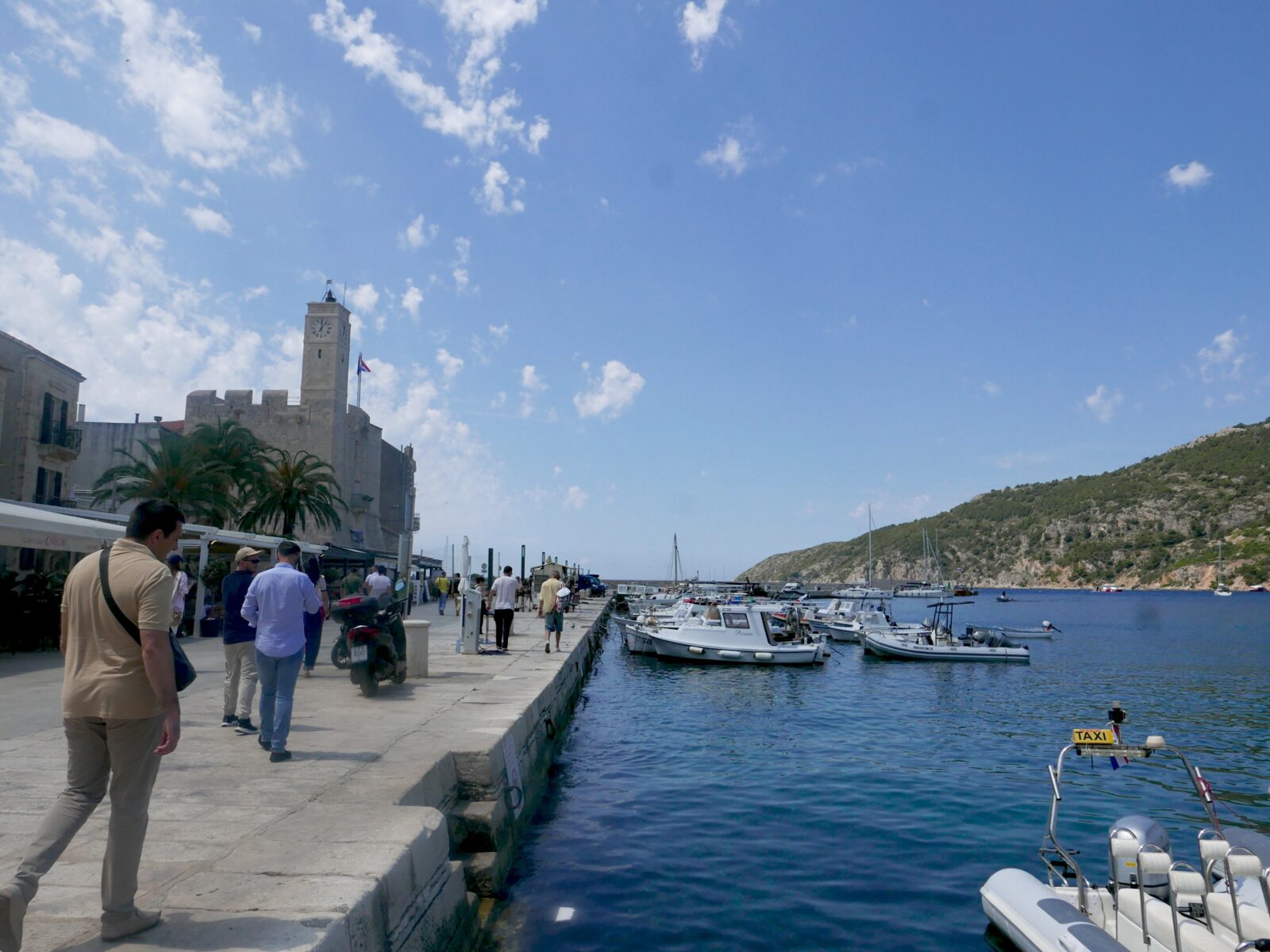
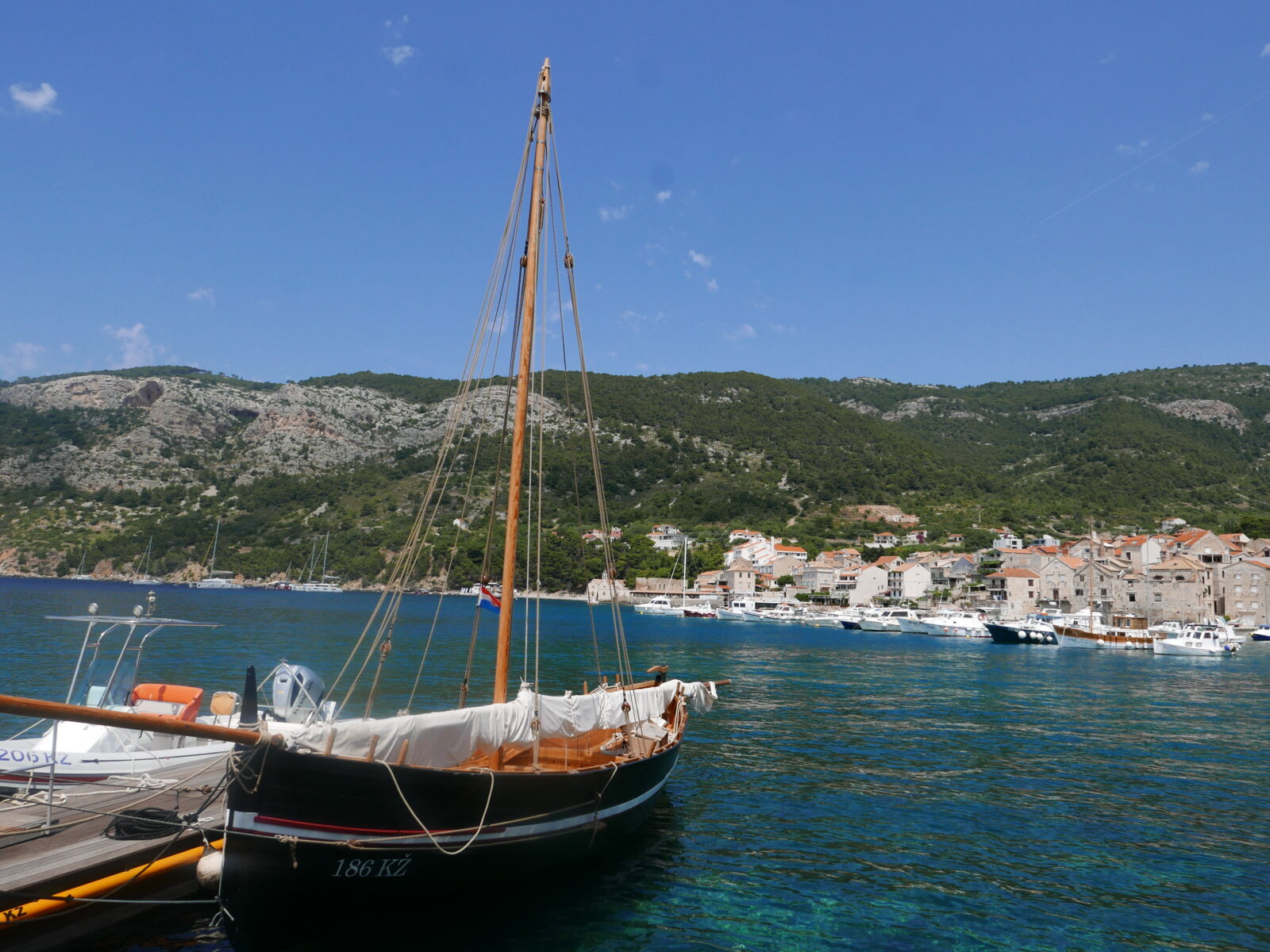
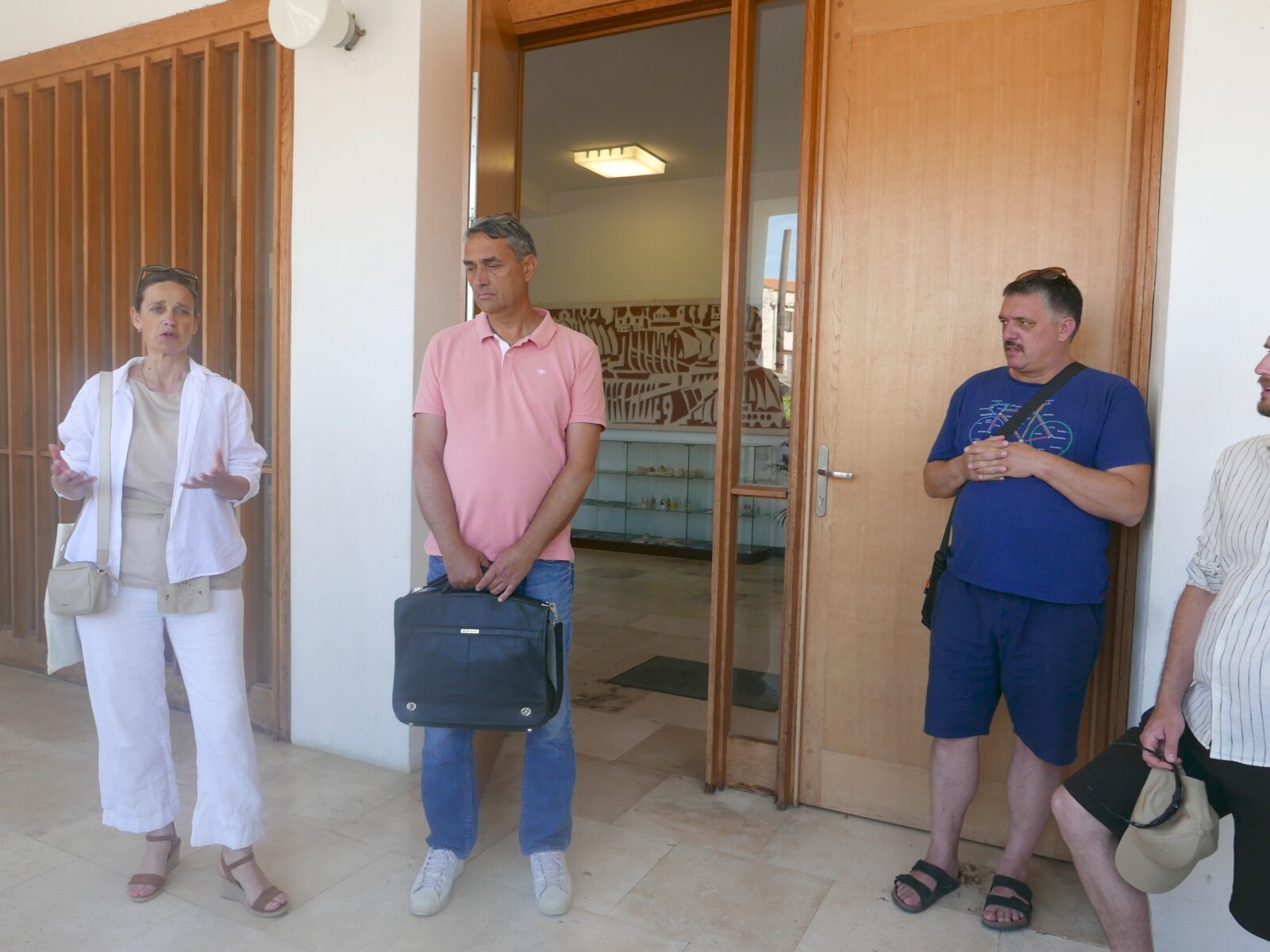
From 31 May to 4 June 2026, SPA/RAC organised a study visit to Vis Archipelago in Croatia, bringing together around 30 participants from Montenegro, including representatives of the Ministries of Fisheries and Environment, the Environmental Protection Agency, the Public Enterprise for Coastal Zone Management, environmental NGOs and nine small-scale fishers from Herceg Novi, Tivat, Budva, Bar and Ulcinj. The visit was organised as part of the GEF-funded FishEBM MED project to support the preparation of Montenegro’s National Action Plan Plus (NAP+) and the design of its demonstration pilot activity focused on Fisheries Local Action Groups (FLAGs).
The study visit provided participants with first-hand experience of how sustainable fisheries, marine biodiversity conservation and local economic development can be successfully integrated through collaborative governance and strong stakeholder engagement.
Discovering good practices from the Vis Archipelago
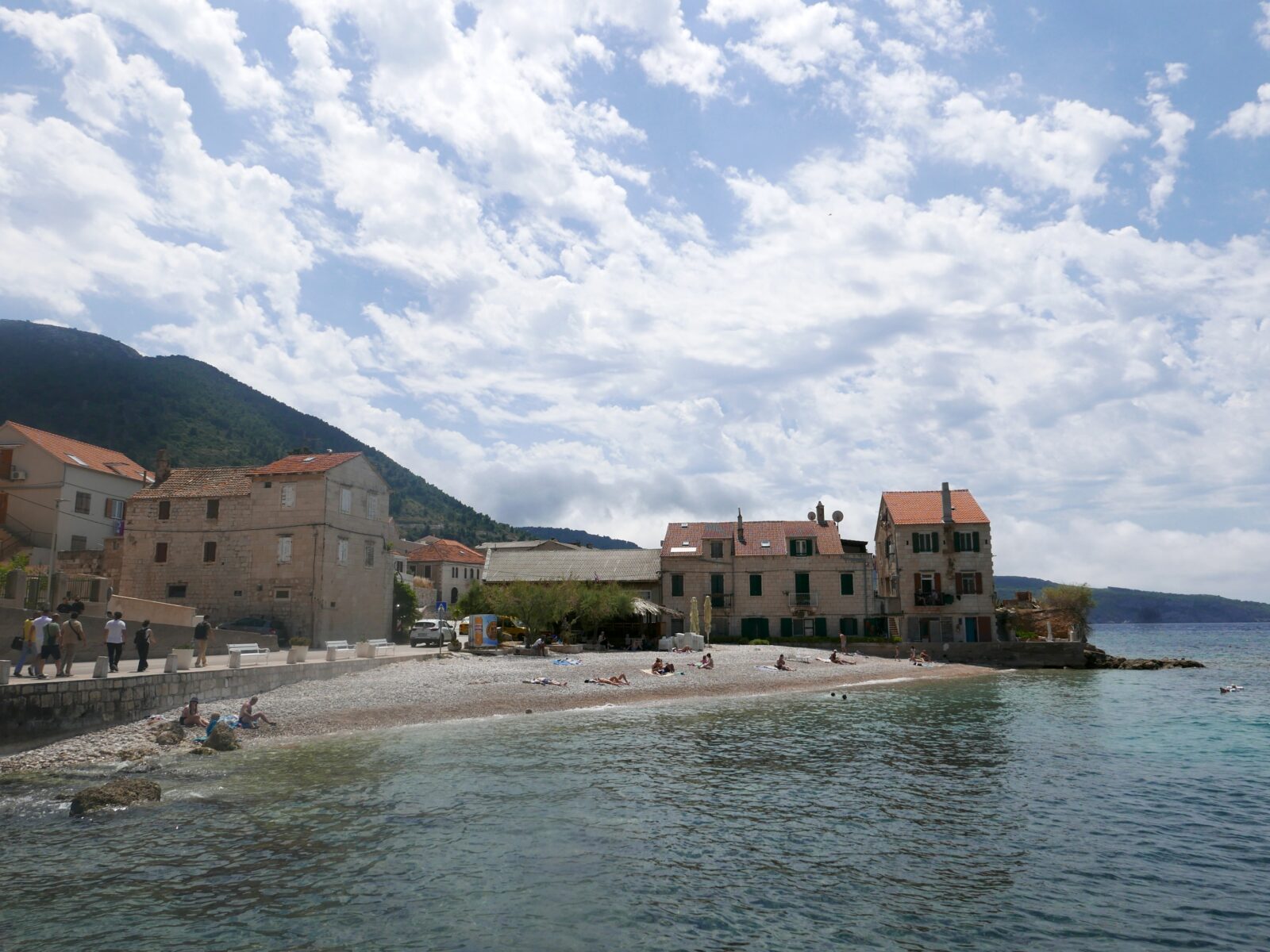
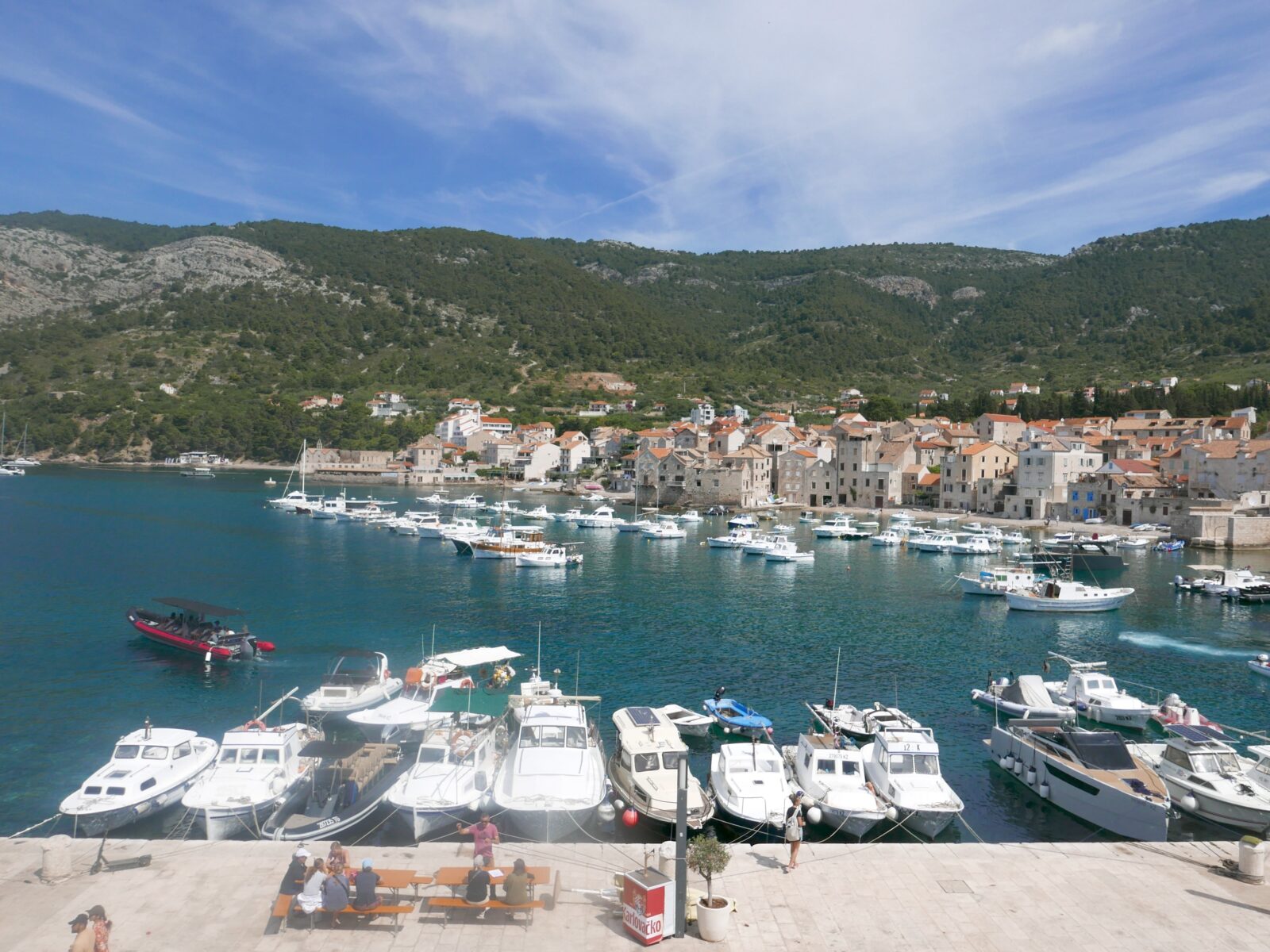
Throughout the visit, Montenegrin participants explored several initiatives that have contributed to making the Vis Archipelago a recognised example of integrated marine management.
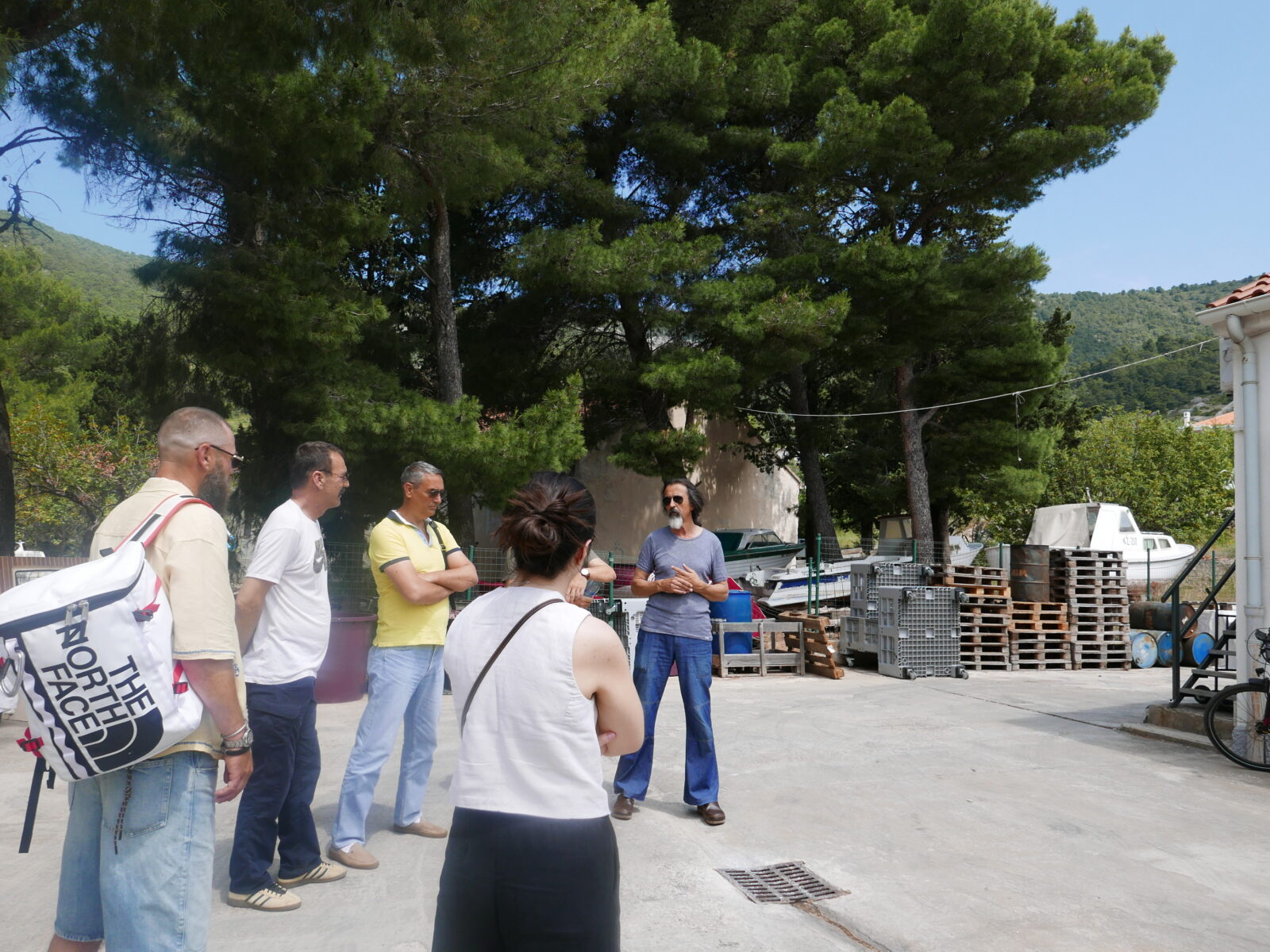
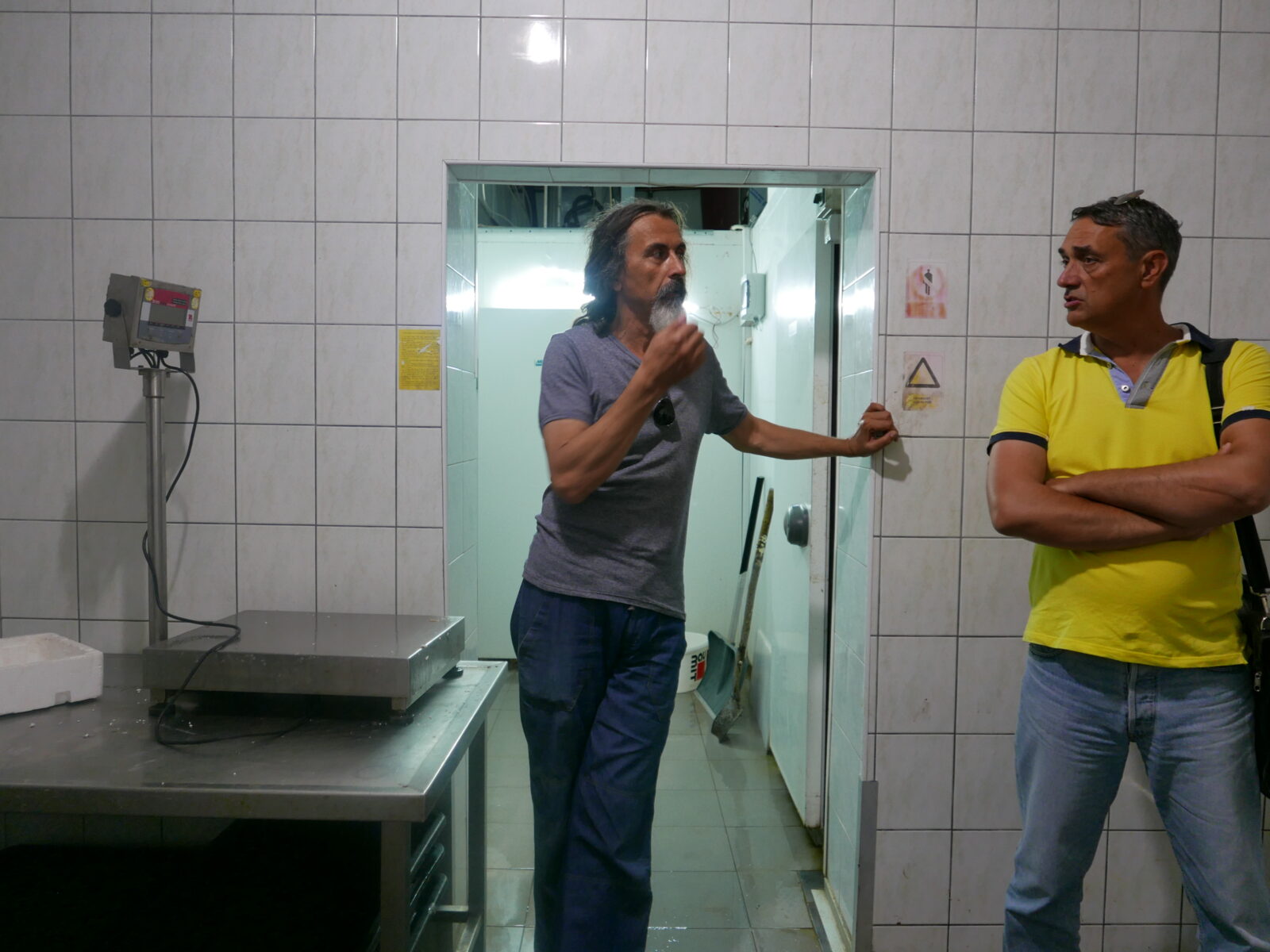
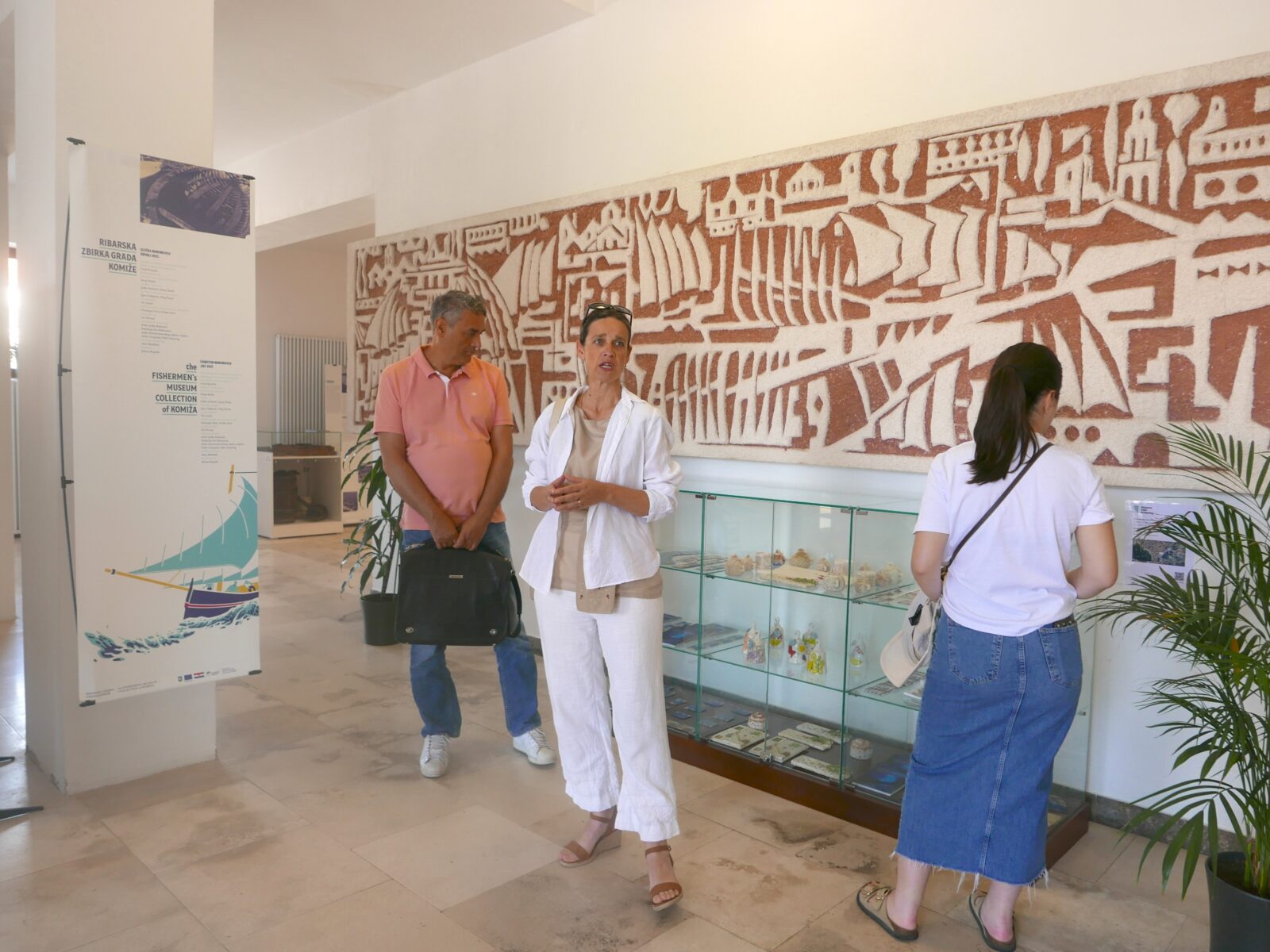
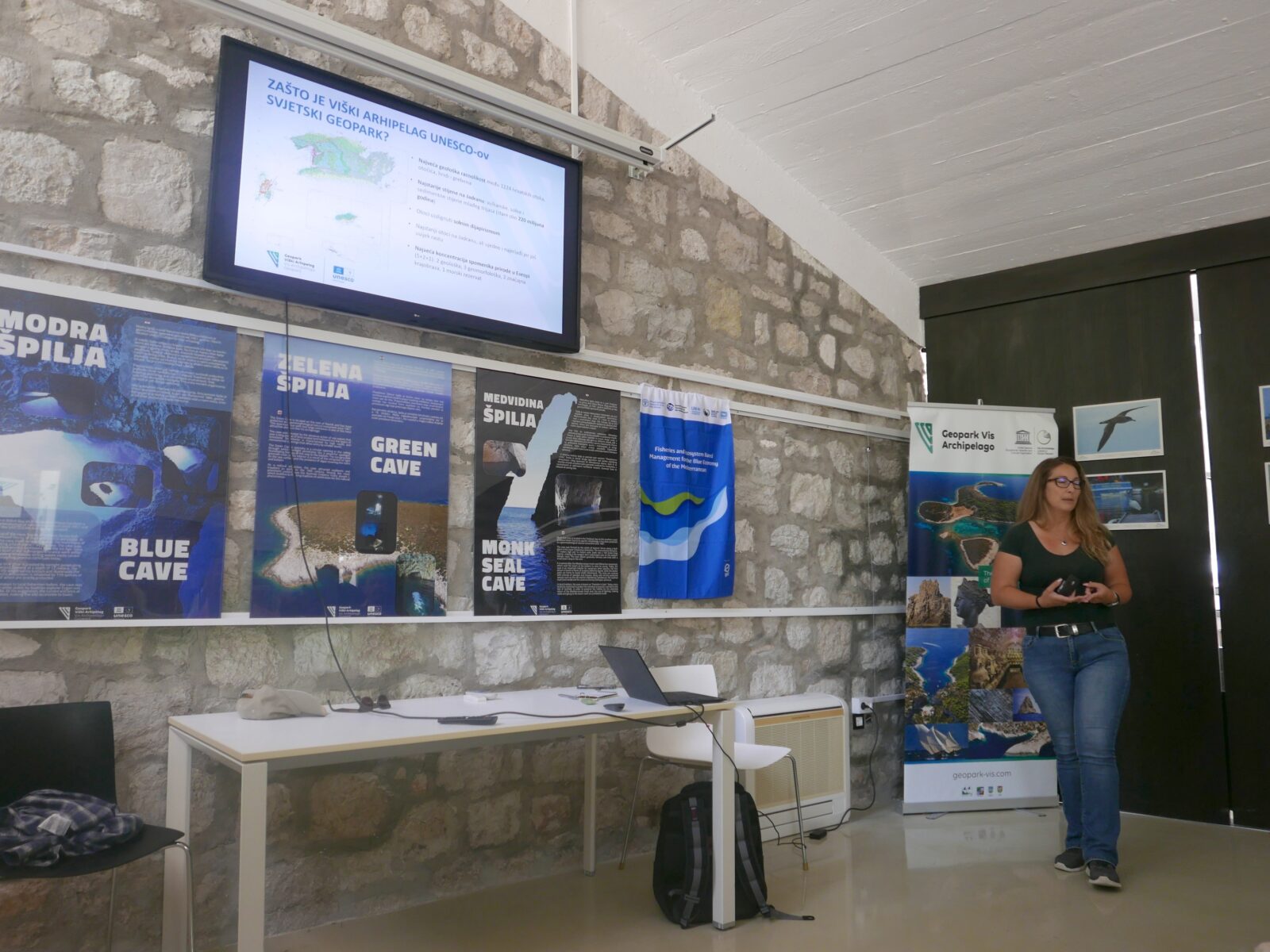
The programme included exchanges with the Komiža Fisheries Cooperative, illustrating how collective organisation has strengthened the economic resilience of small-scale fishers and improved market opportunities. Participants also learned about the role of FLAG Škoji in supporting community-led local development and visited the Vis Archipelago UNESCO Global Geopark, where marine conservation is closely linked with sustainable local development.
The study visit also showcased the management of the Jabuka/Pomo Pit Fisheries Restricted Area and the Cape Stupišće Marine Protected Area, highlighting practical examples of how fisheries management measures and biodiversity conservation can reinforce one another while maintaining viable fishing livelihoods.
Inspiring Montenegro’s future FLAG initiative
Designed around peer-to-peer exchanges, field visits and direct dialogue with Croatian stakeholders, the visit enabled participants to explore the governance mechanisms, opportunities and challenges associated with Fisheries Local Action Groups (FLAGs), fisheries cooperatives and other community-led initiatives. Discussions focused on how these experiences could be adapted to the Montenegrin context to strengthen stakeholder participation, support sustainable blue economy opportunities and promote ecosystem-based fisheries management.
The experience will directly inform the preparation of Montenegro’s National Action Plan Plus (NAP+) by helping identify practical pathways for establishing FLAG-type structures and strengthening community-led fisheries governance. It also represents an important milestone towards the implementation of the project’s pilot action, aimed at enhancing cooperation, resilience and sustainable livelihoods within Montenegro’s small-scale fisheries sector.
The visit confirmed that protecting marine biodiversity and supporting sustainable fisheries are complementary objectives, and that cooperation among institutions, local communities and fishers is essential for building a resilient and biodiversity-inclusive blue economy in the Mediterranean.