A first national dialogue on blue economy, biodiversity and fisheries
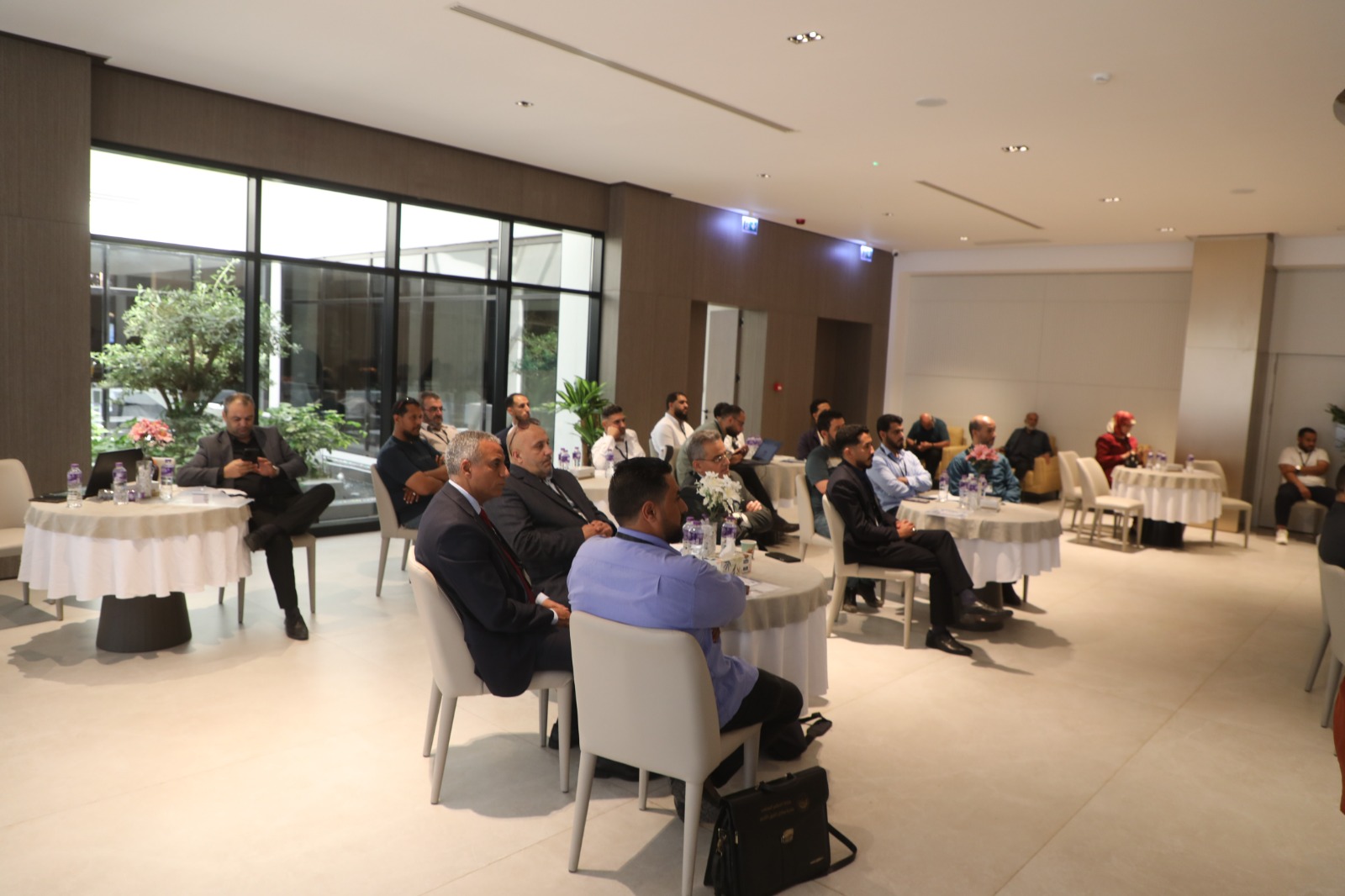
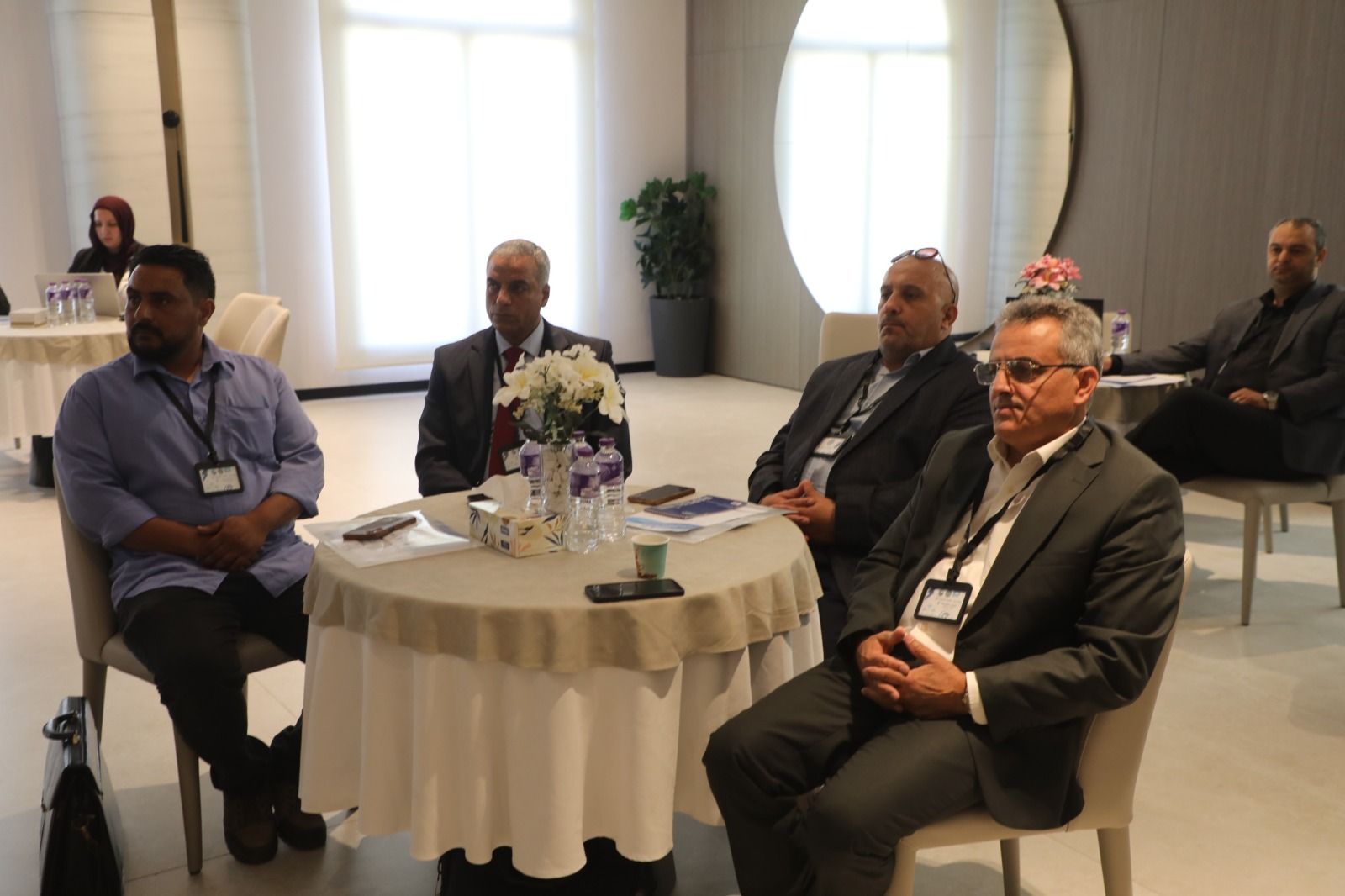
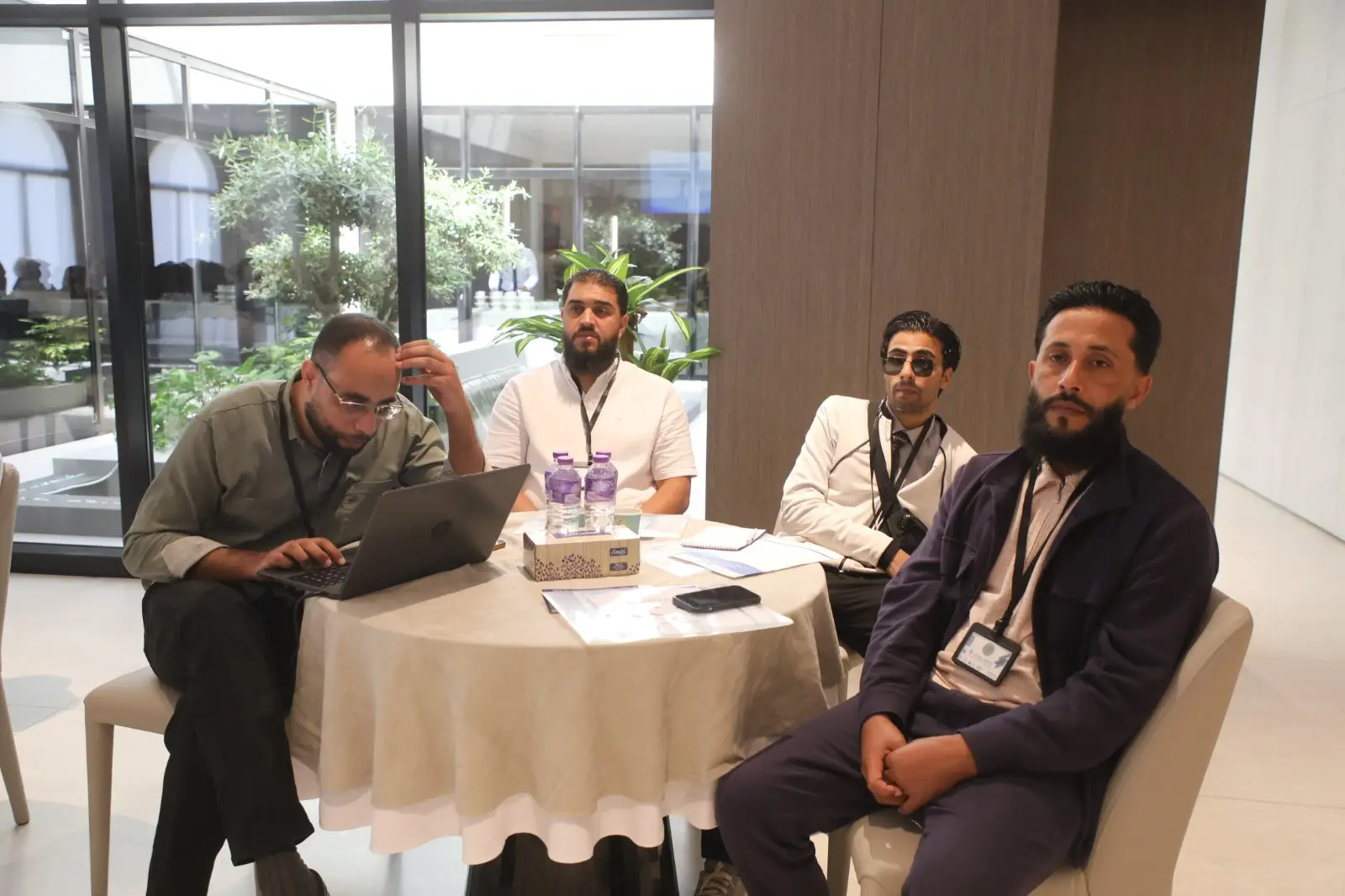
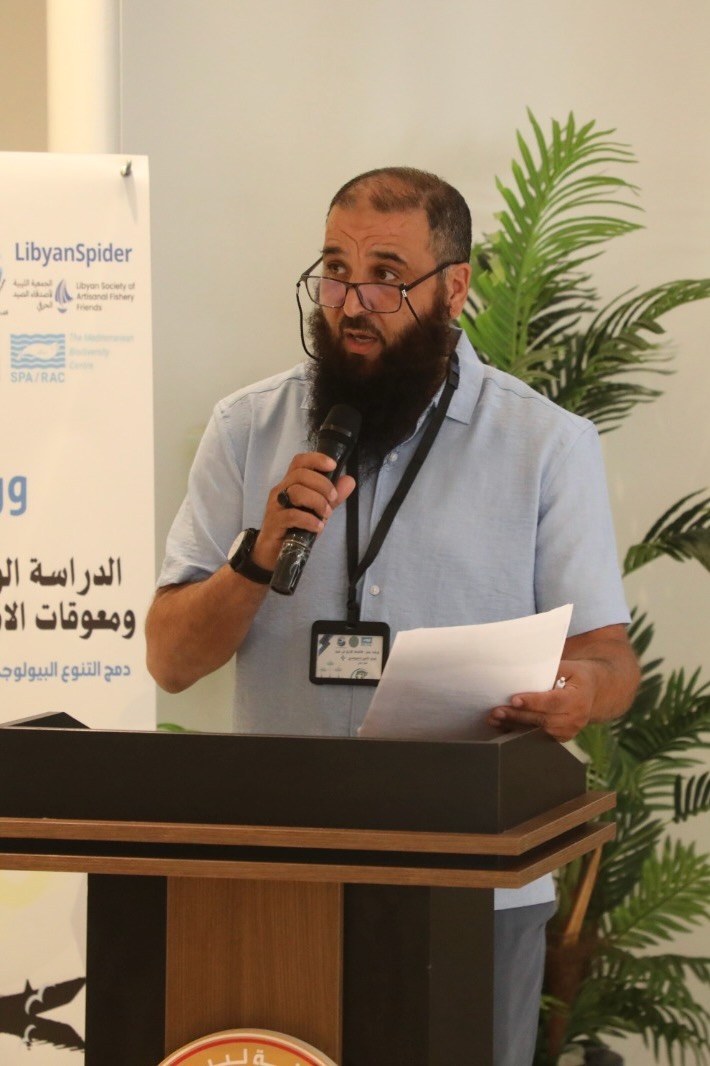
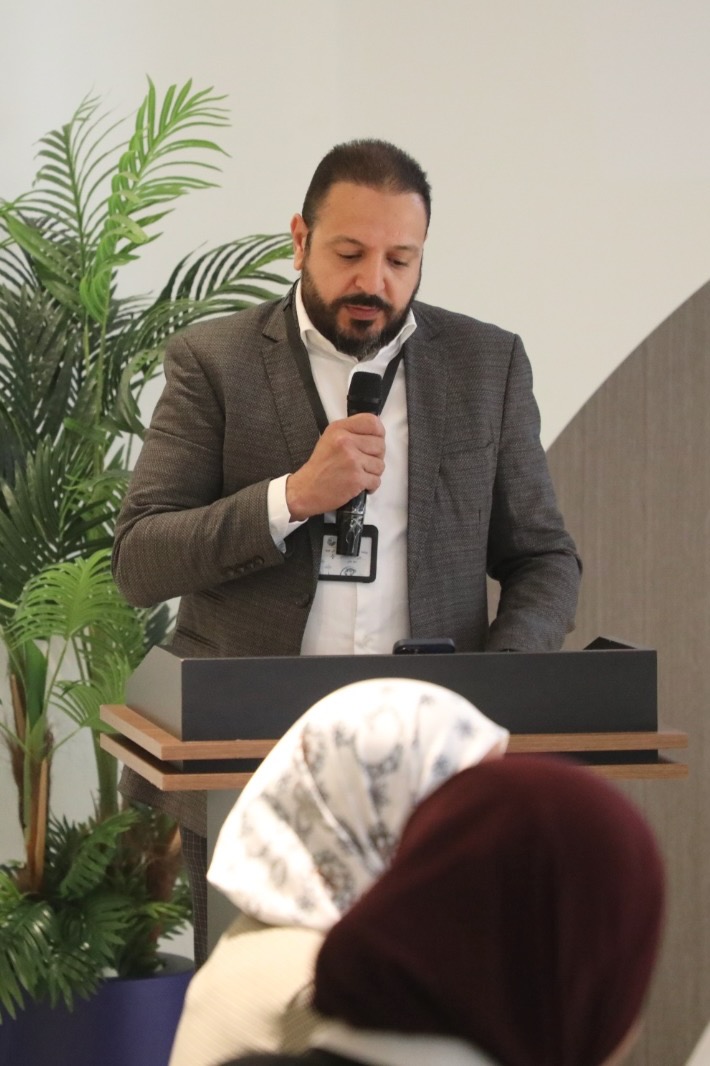
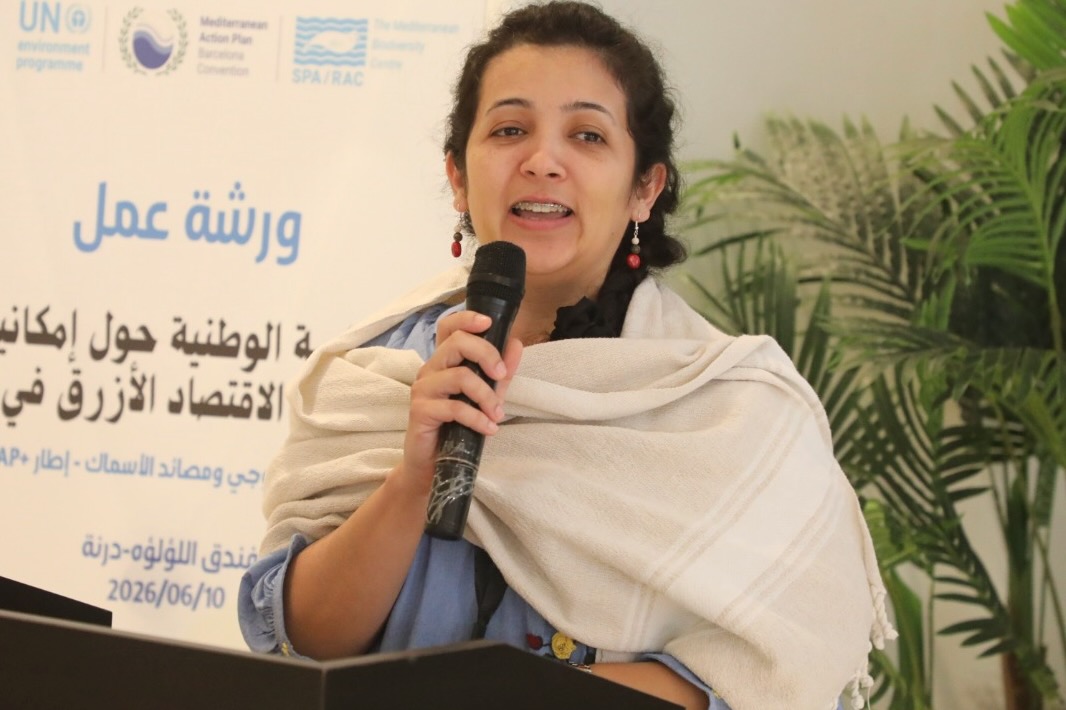
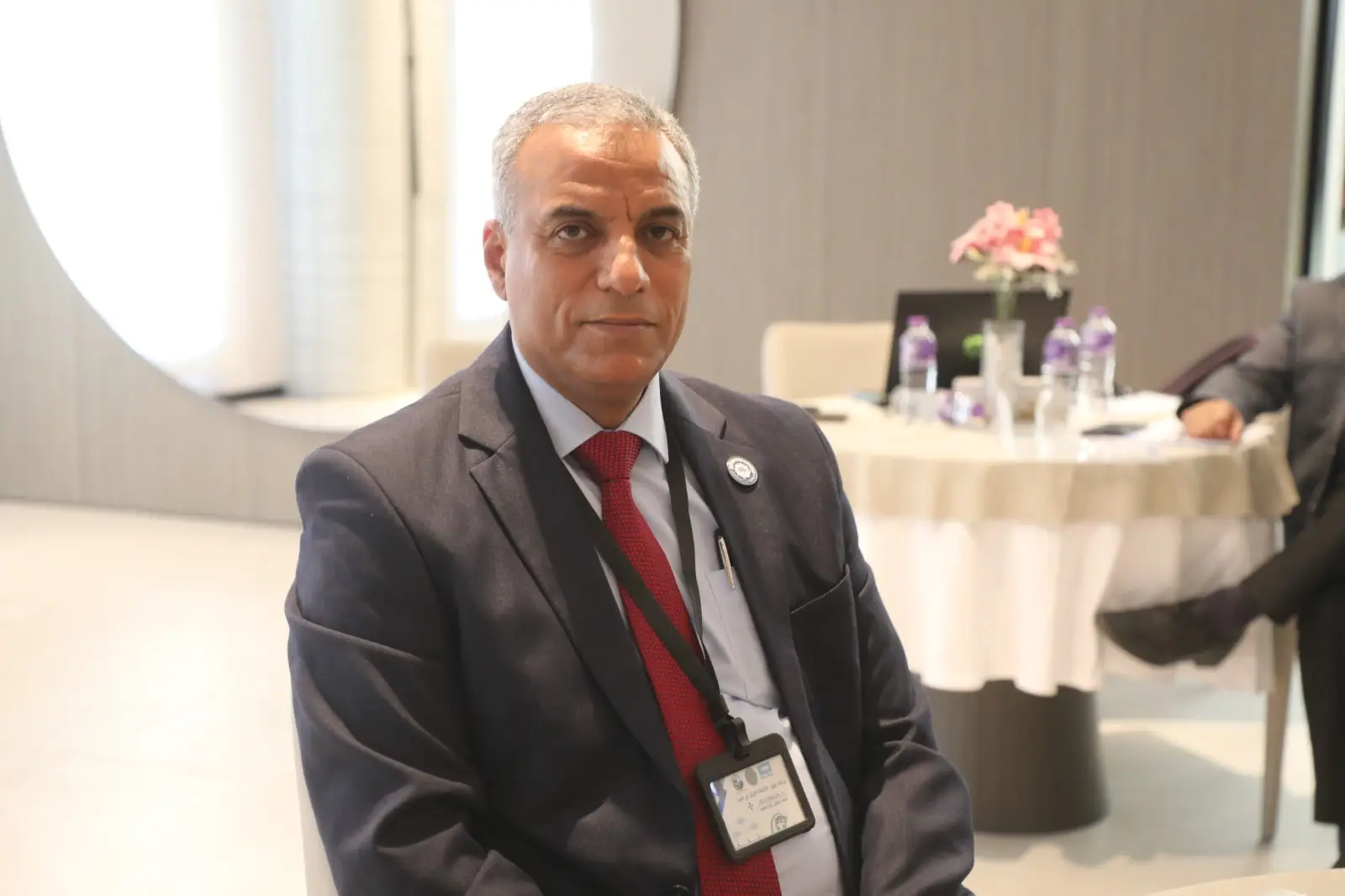
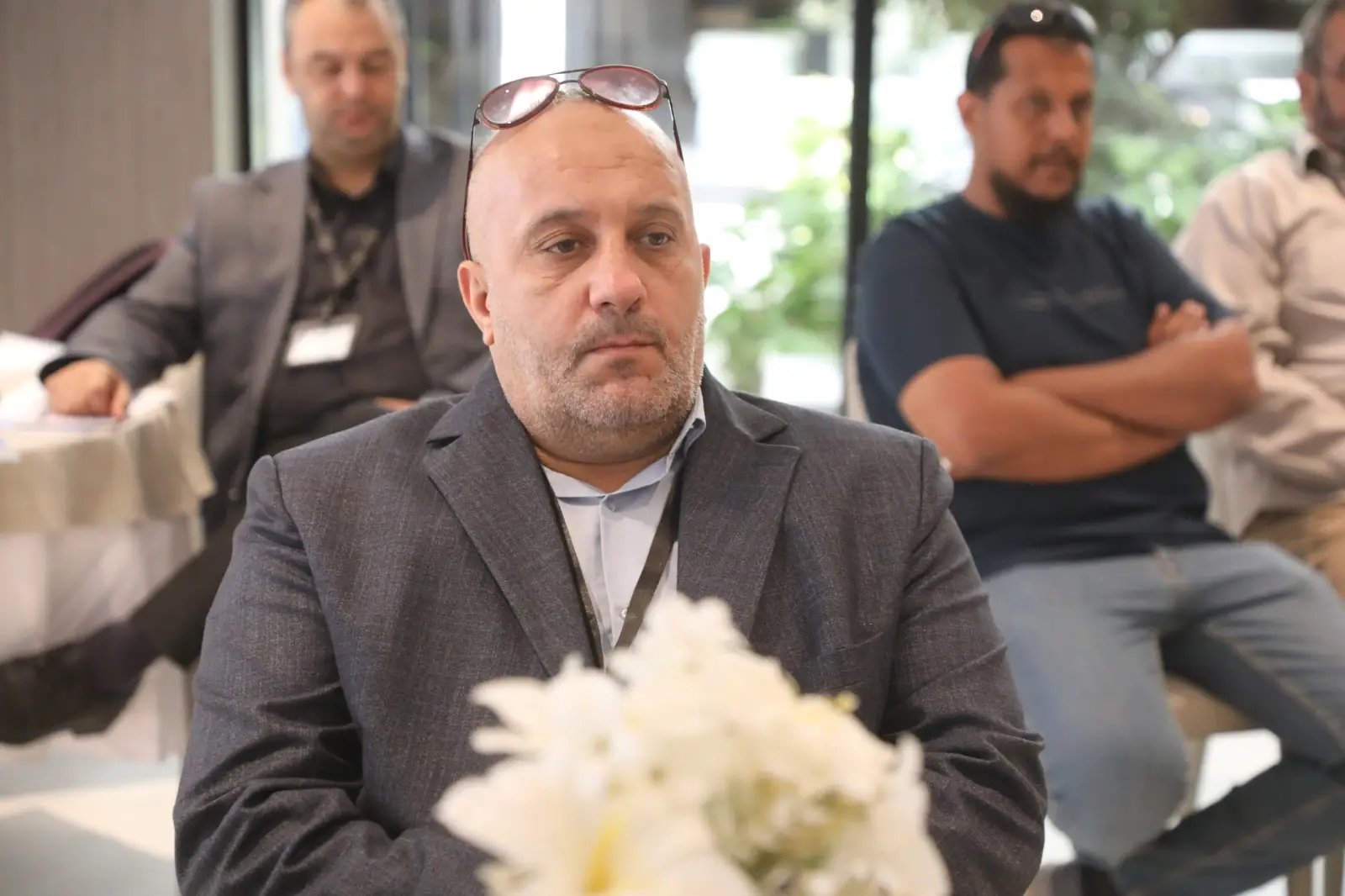
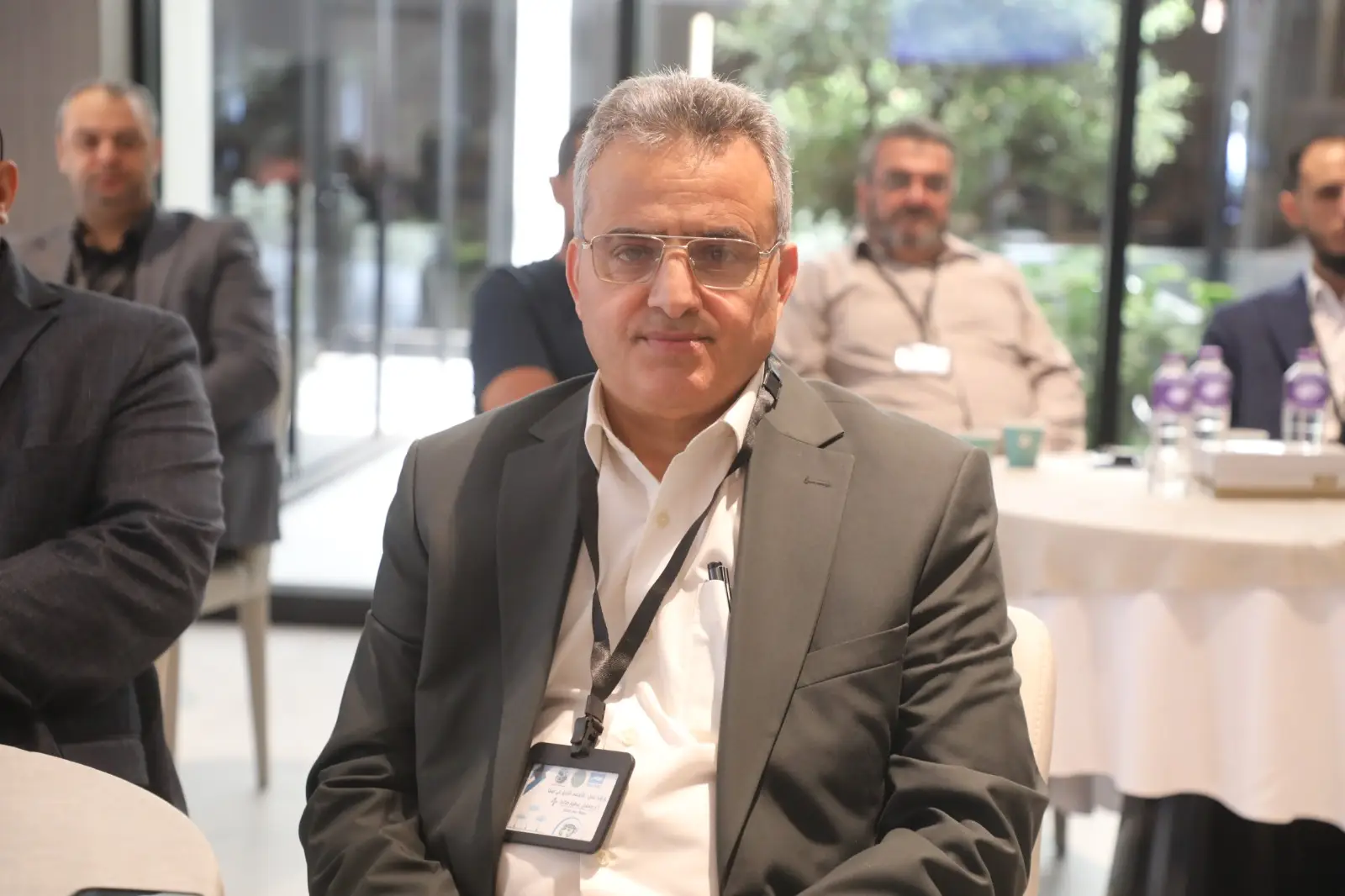
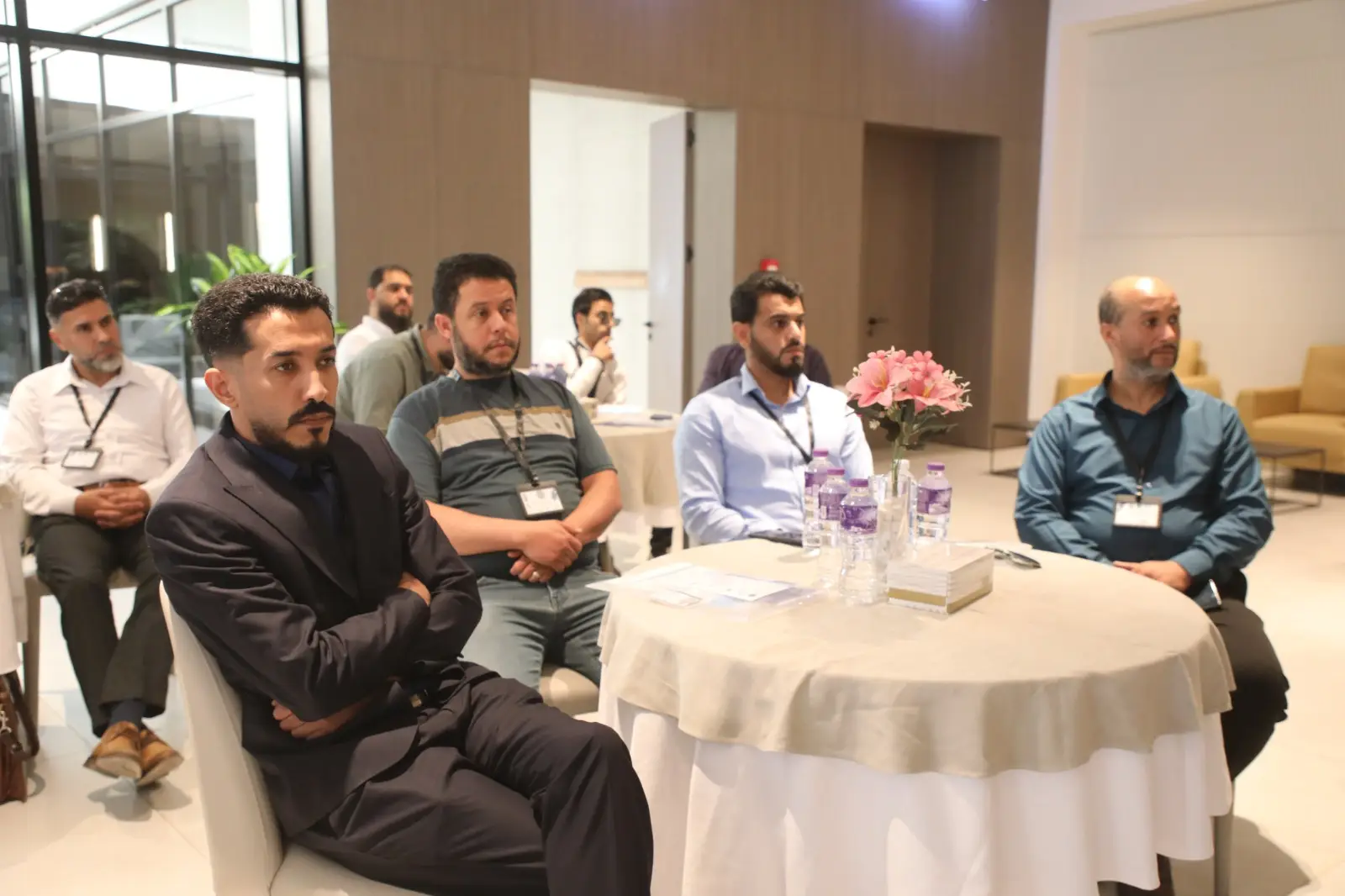
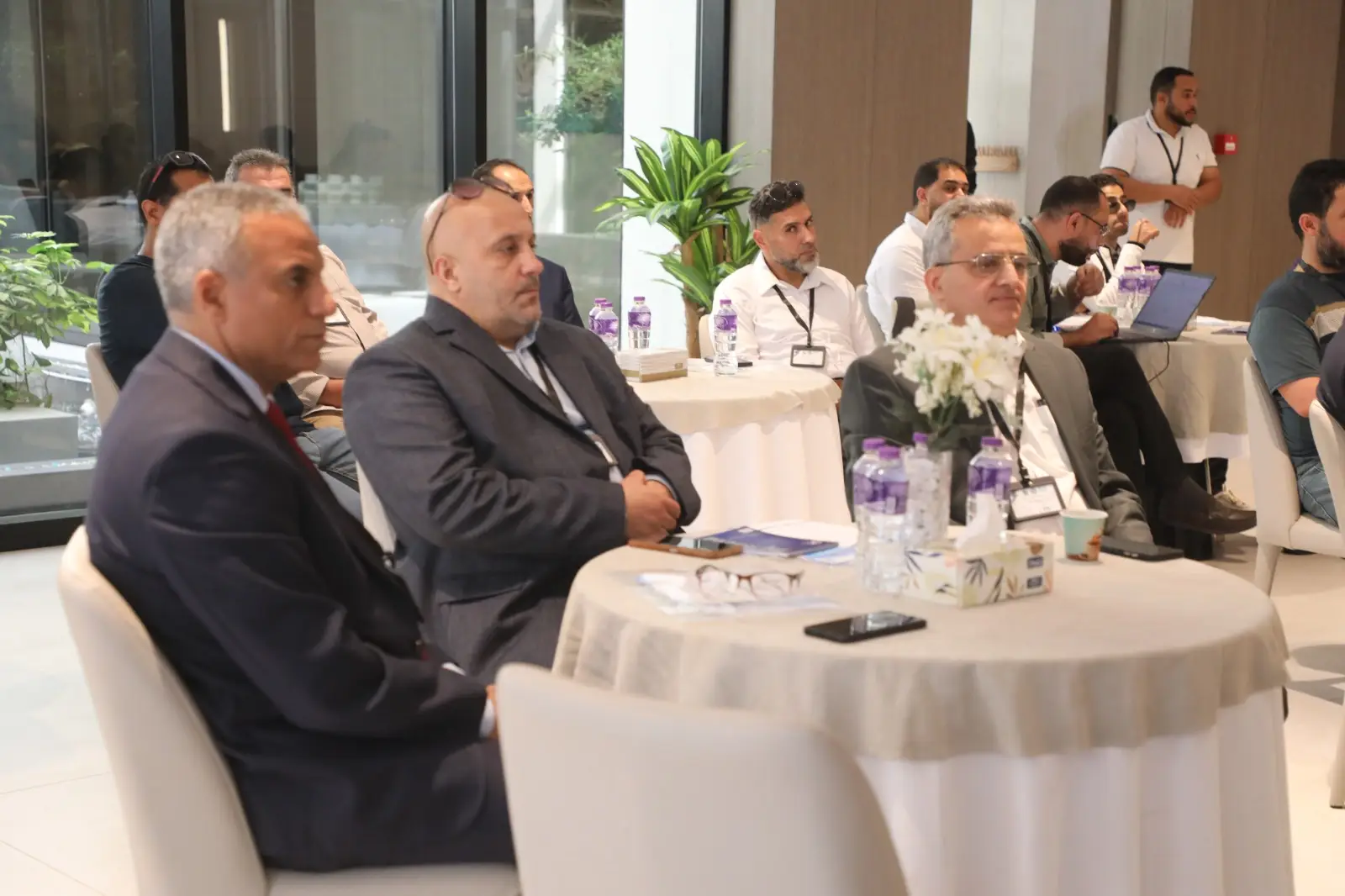
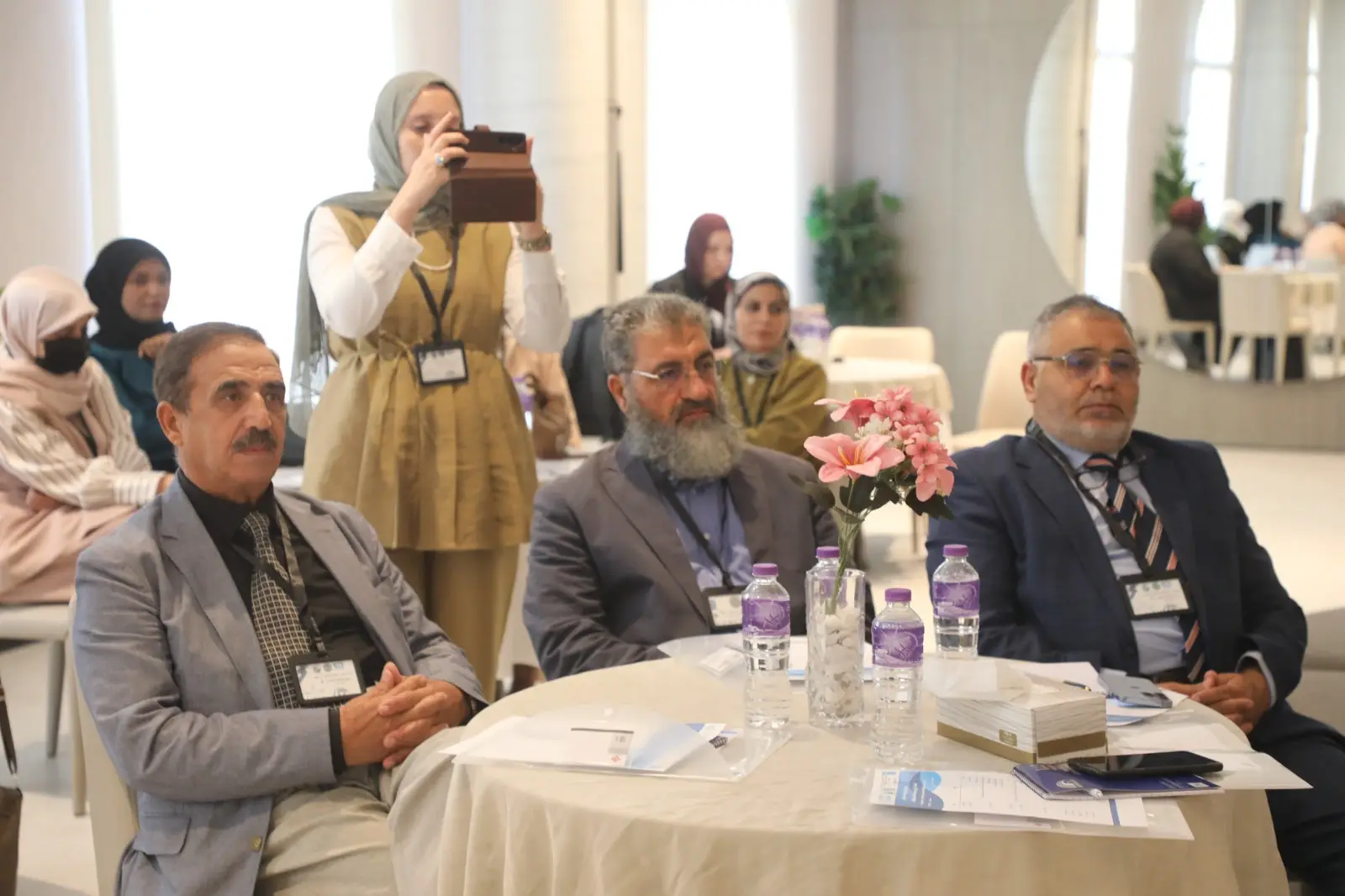
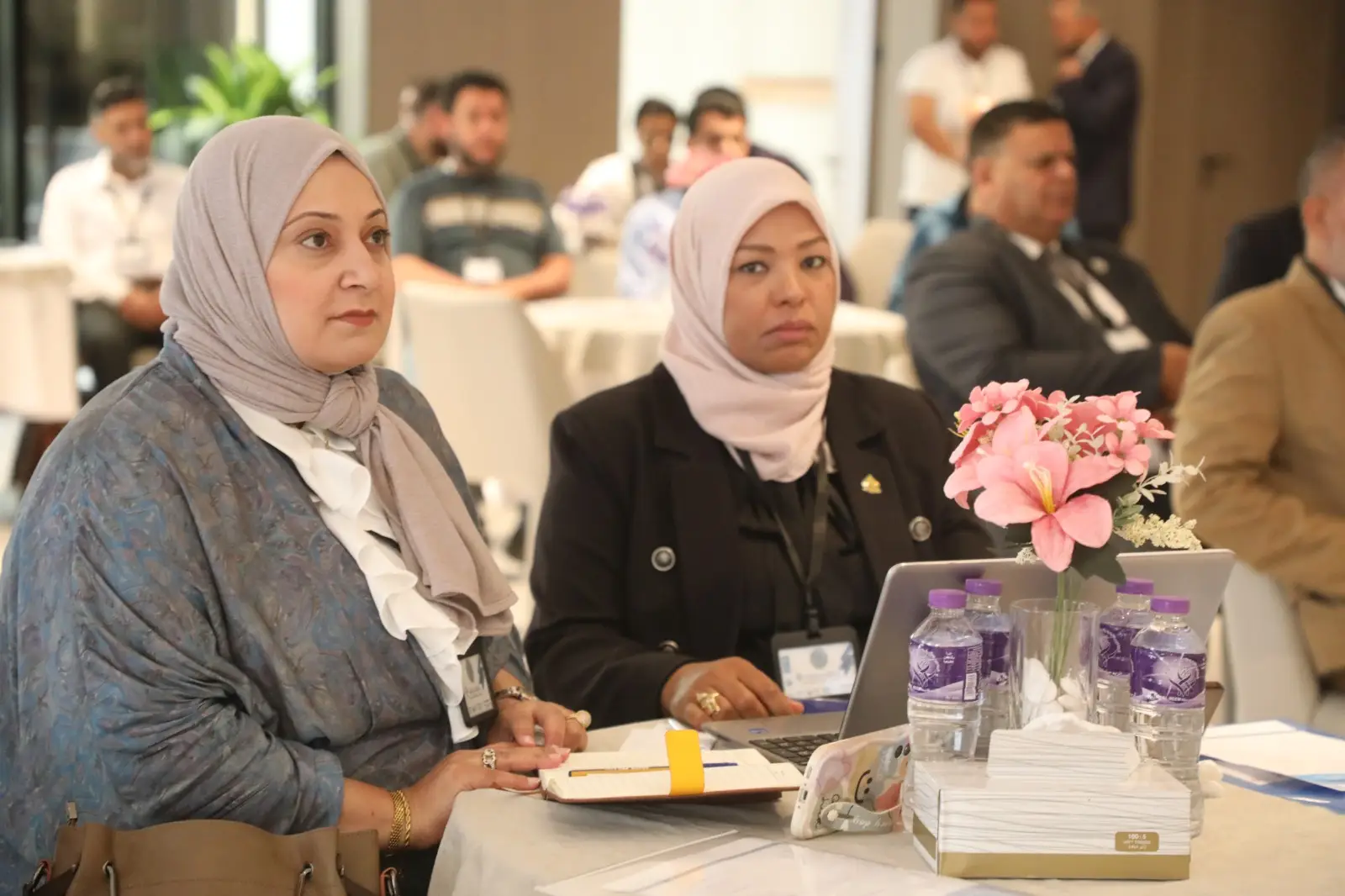
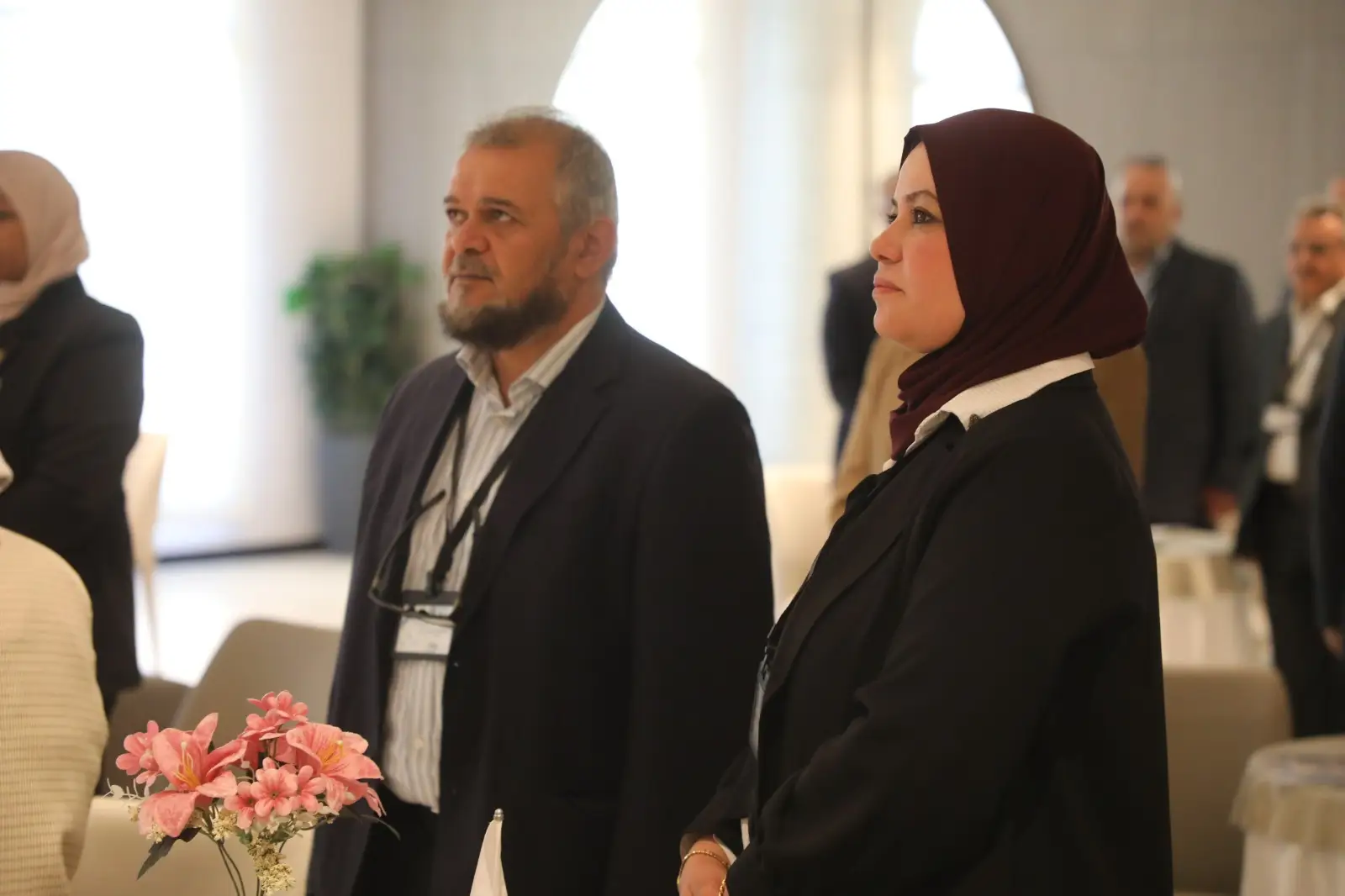
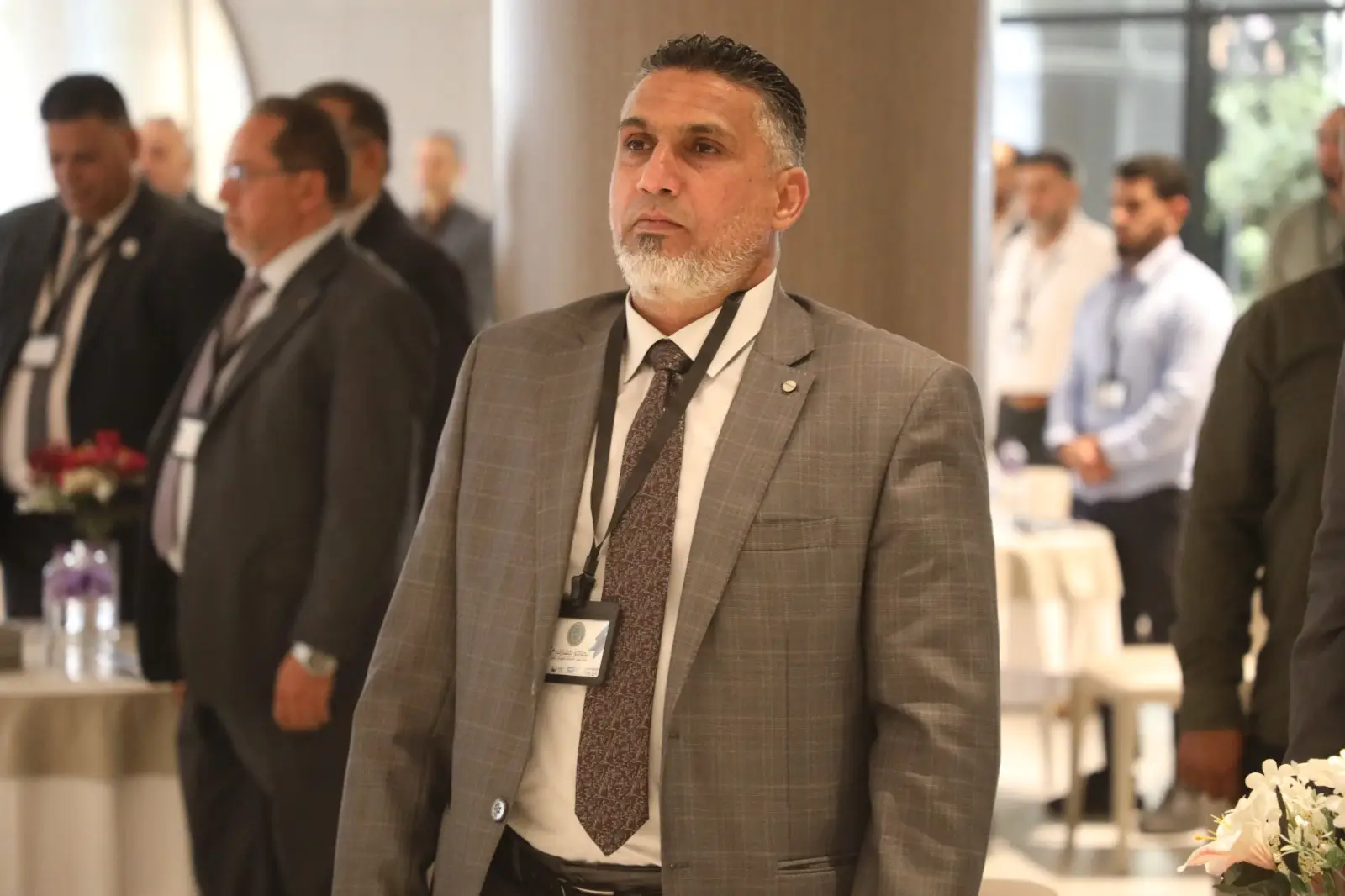
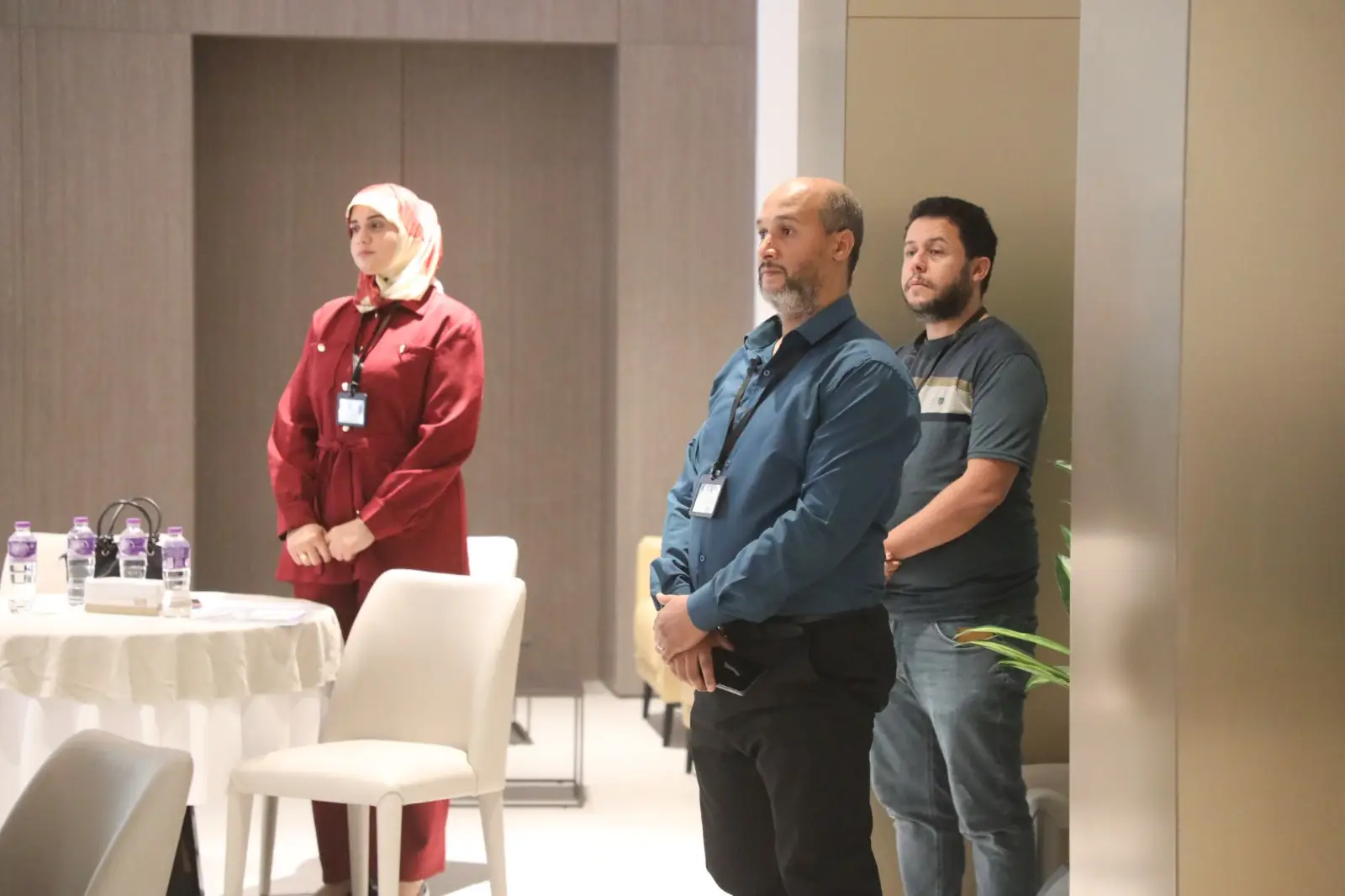
On 10 June 2026, the first national workshop under the GEF-funded FishEBM MED project was held in Derna, Libya, marking the launch of the national process to develop Libya’s National Action Plan Plus (NAP+) and its associated Investment Plan.
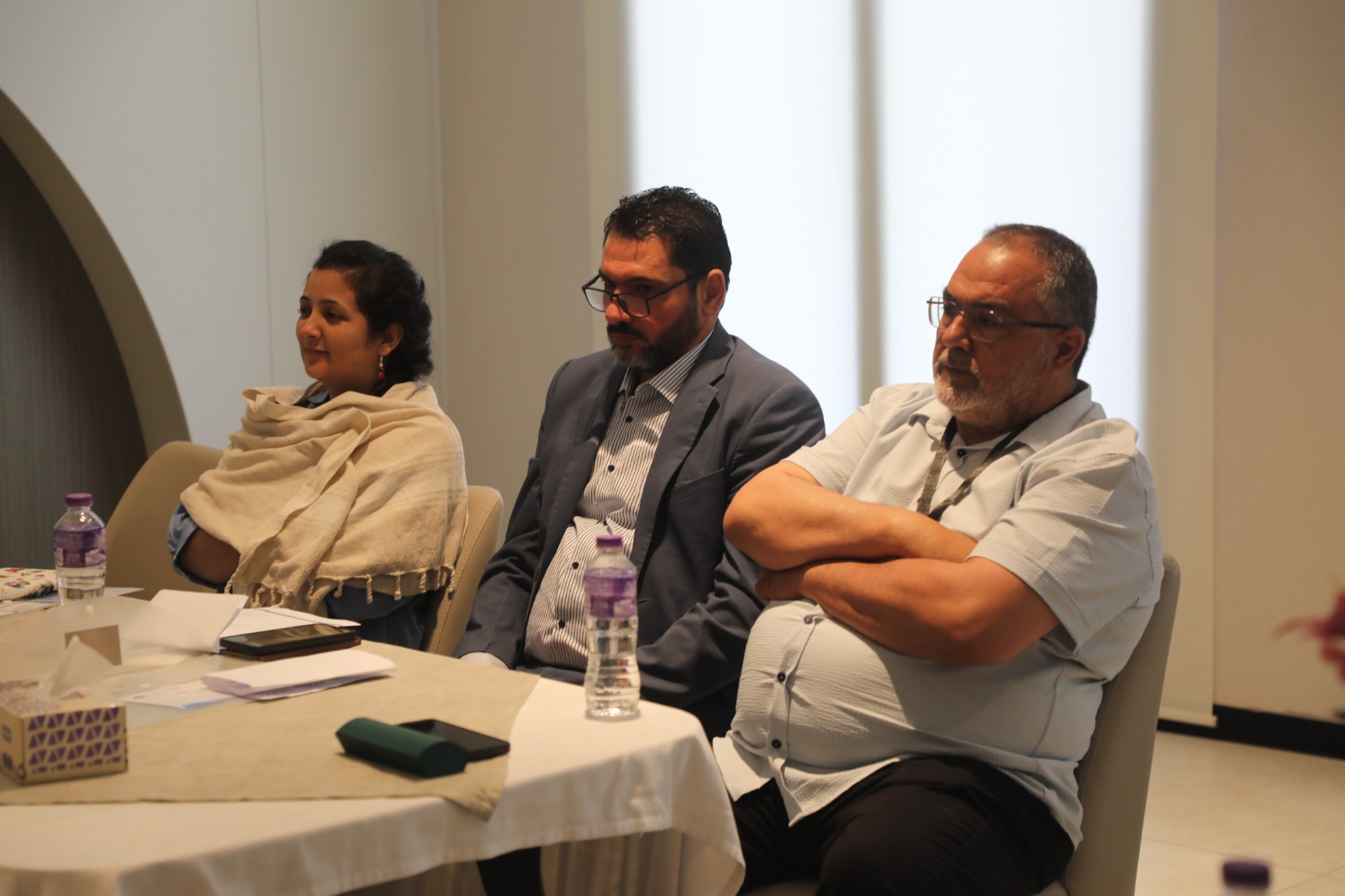
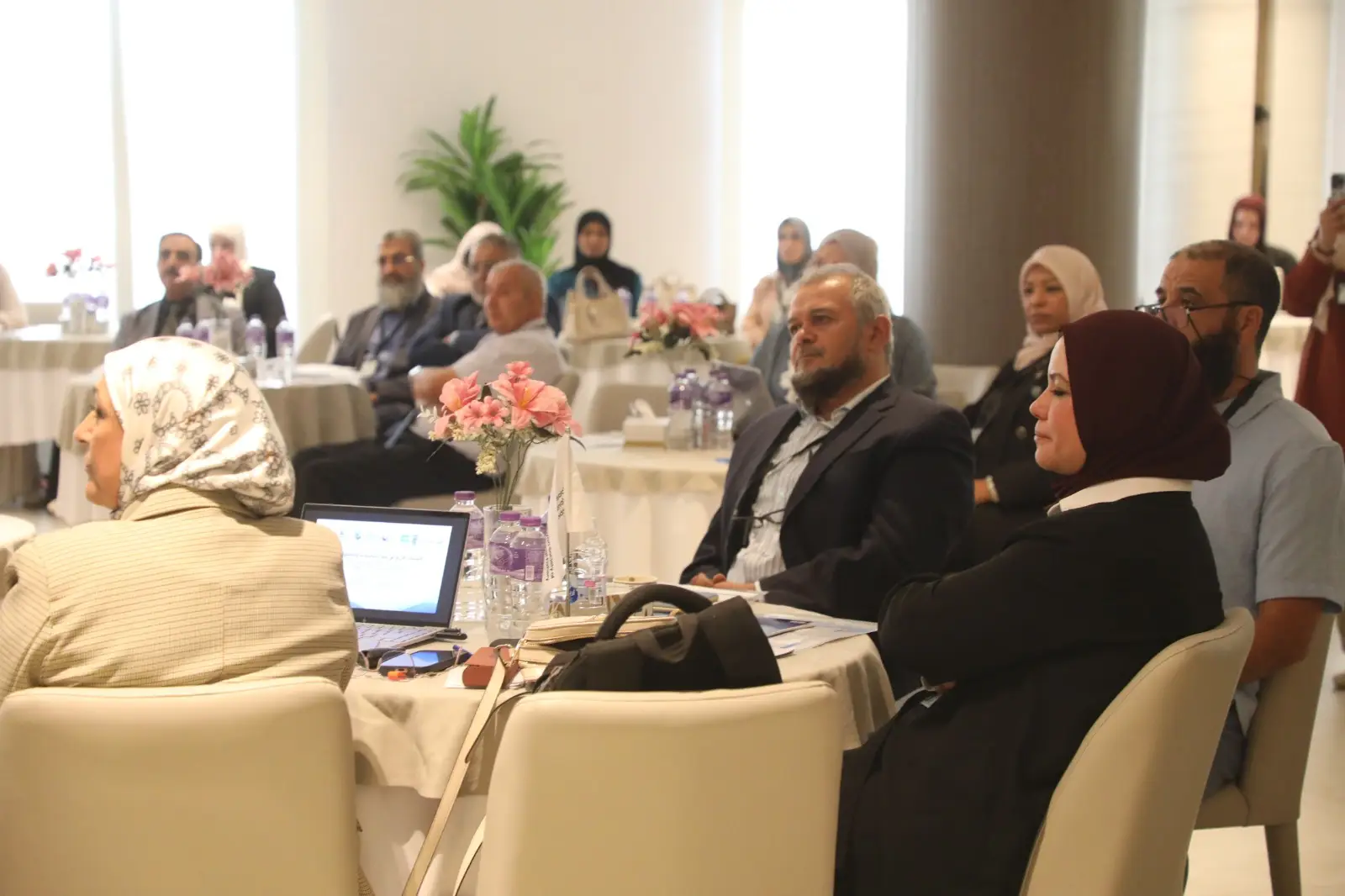
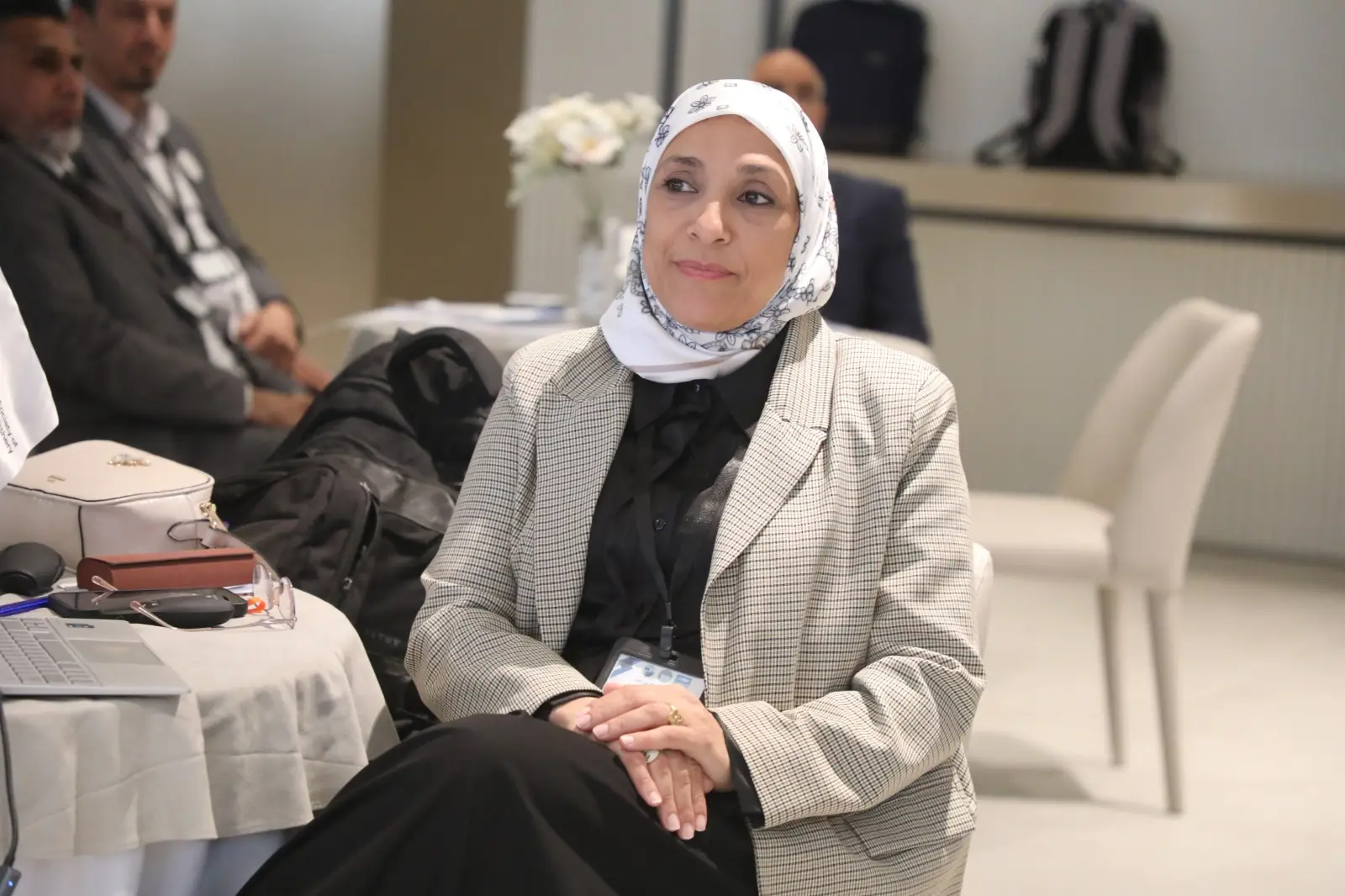
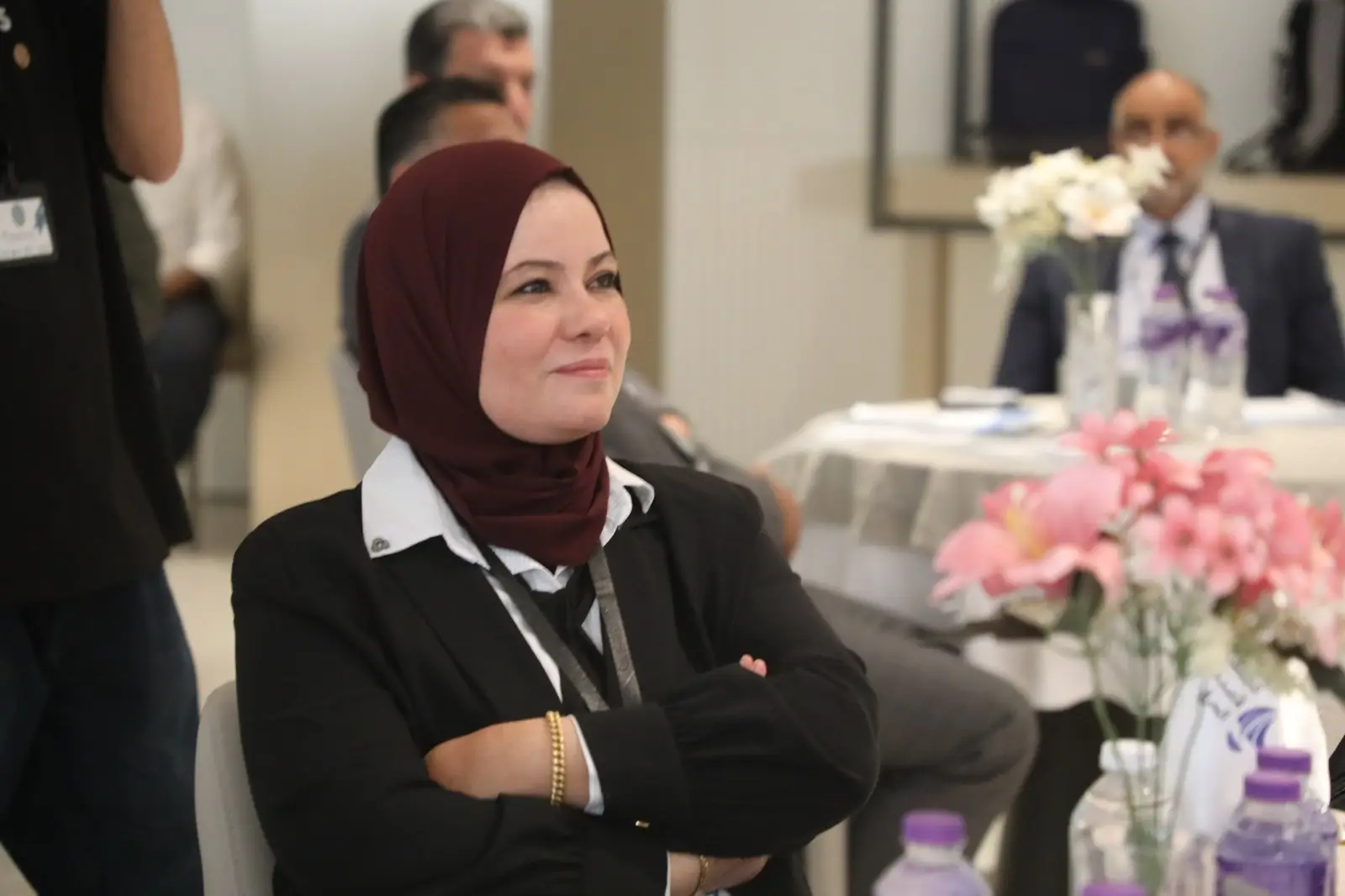
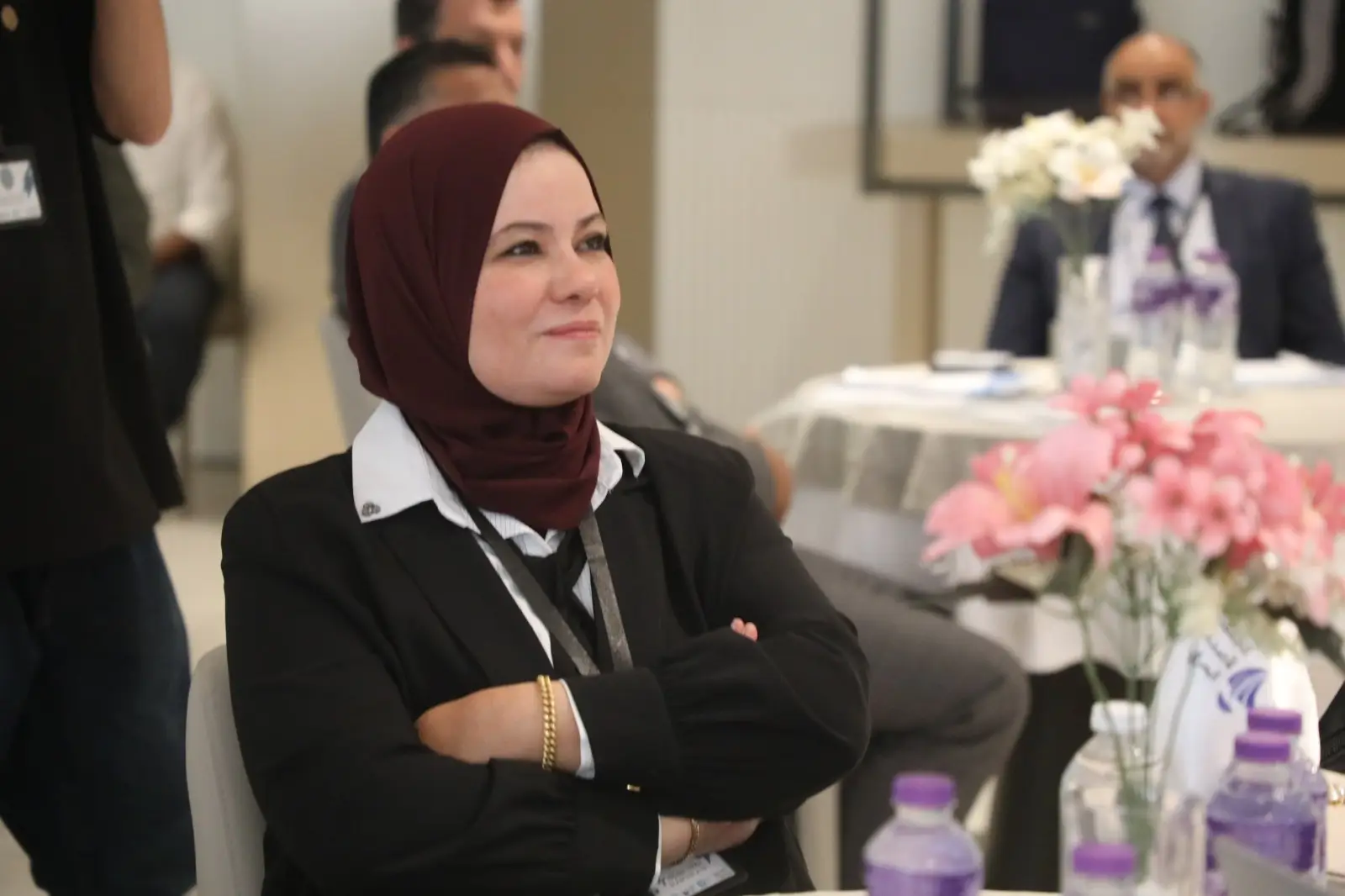
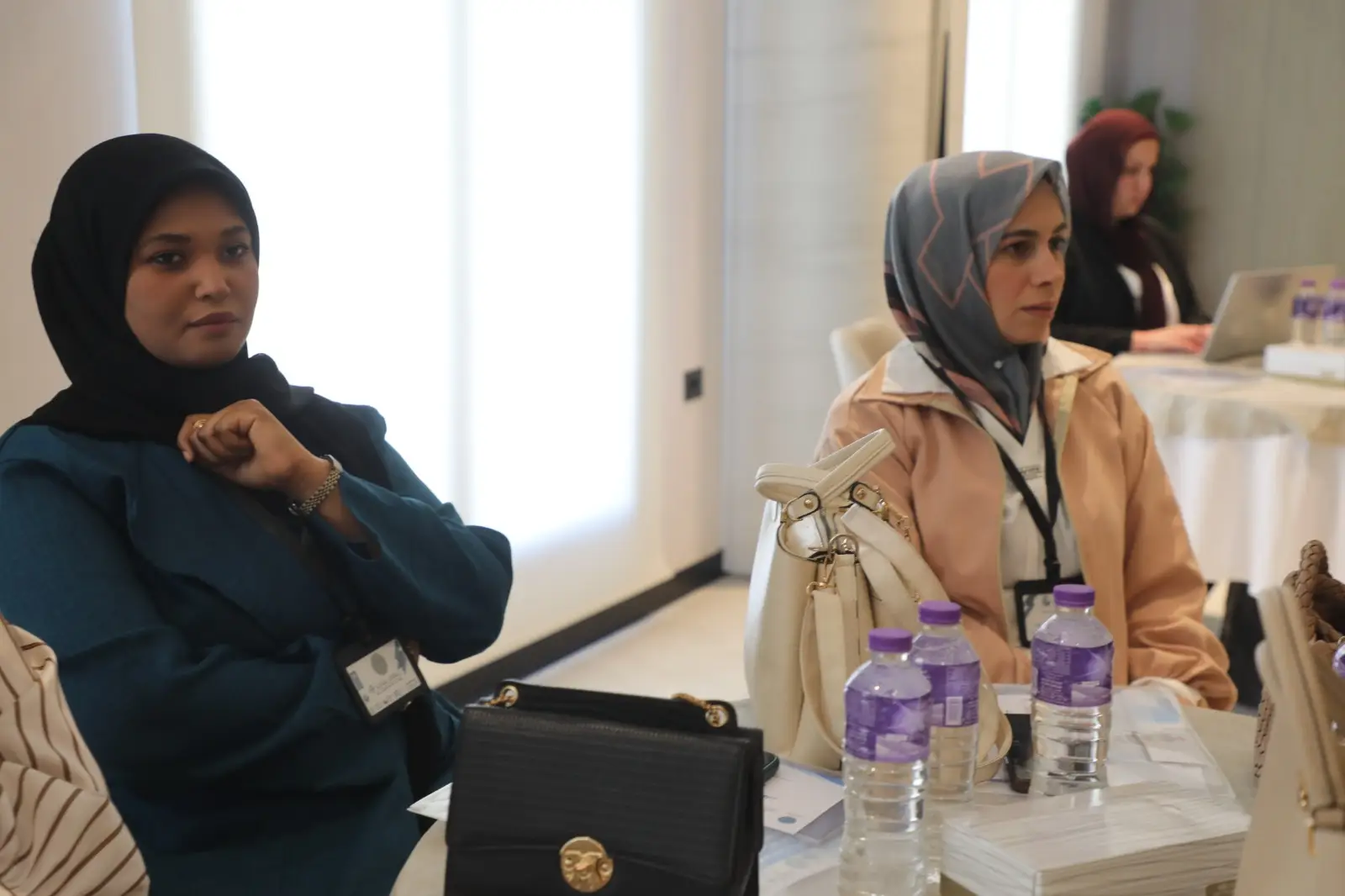
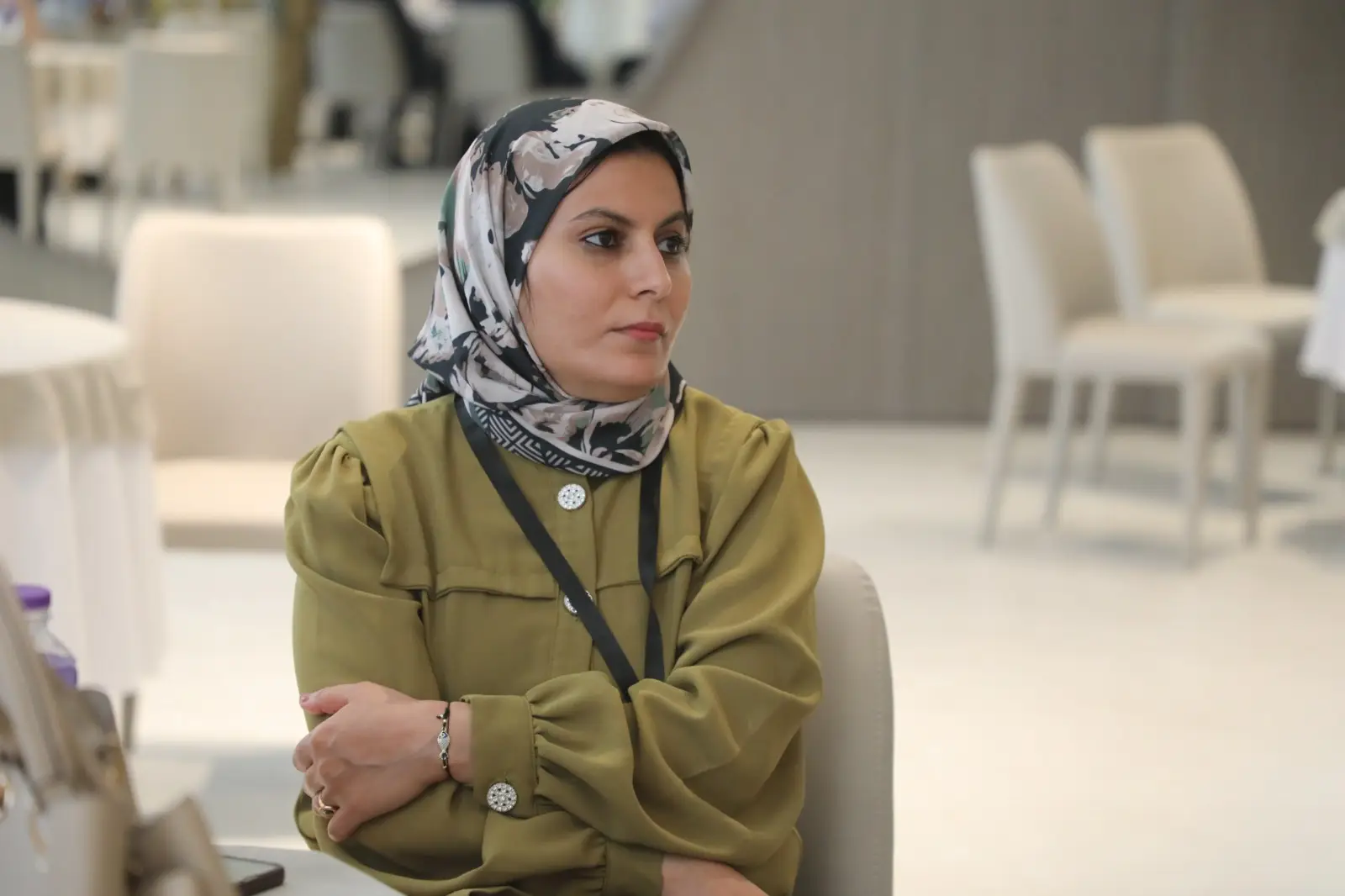
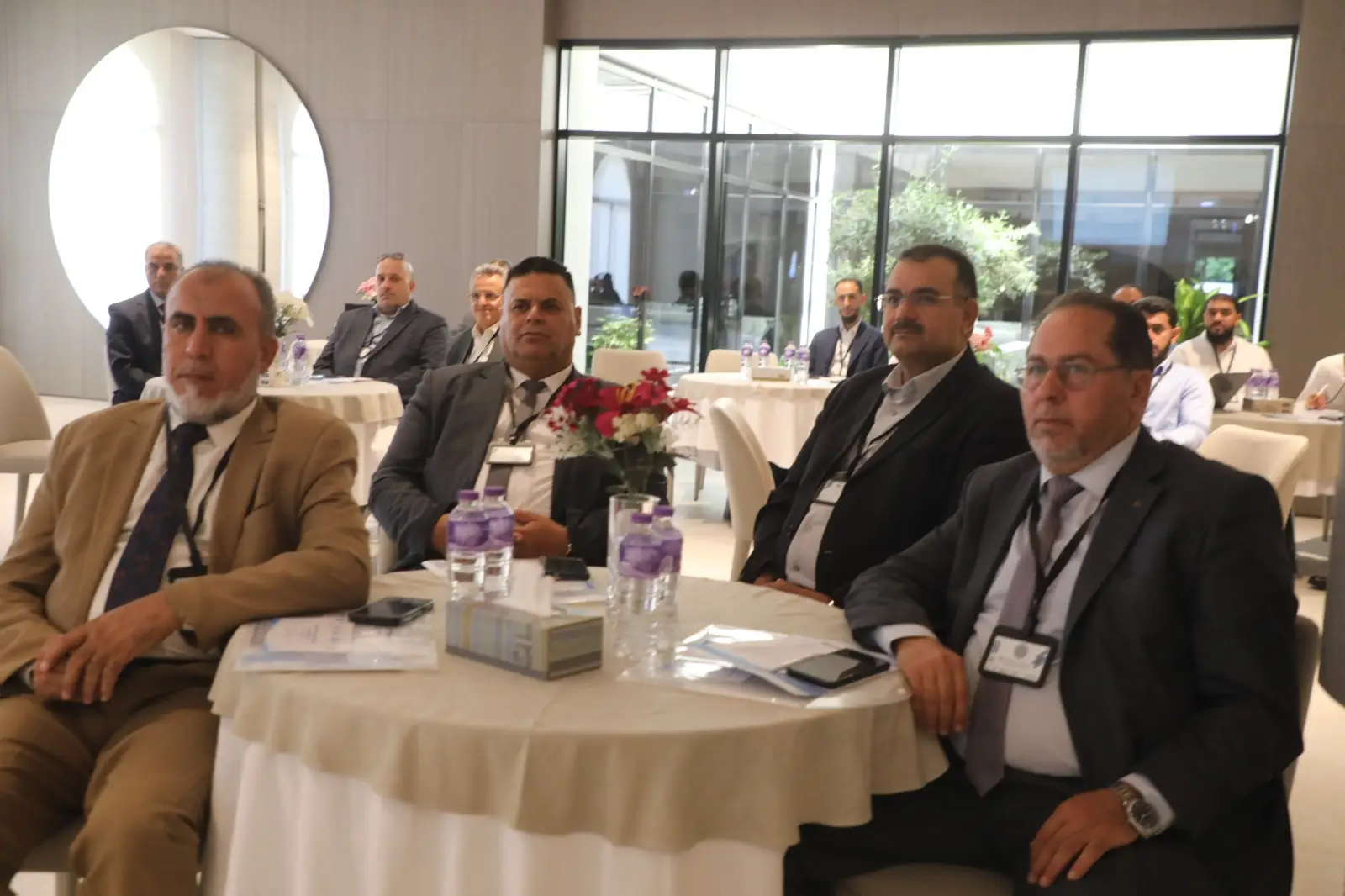
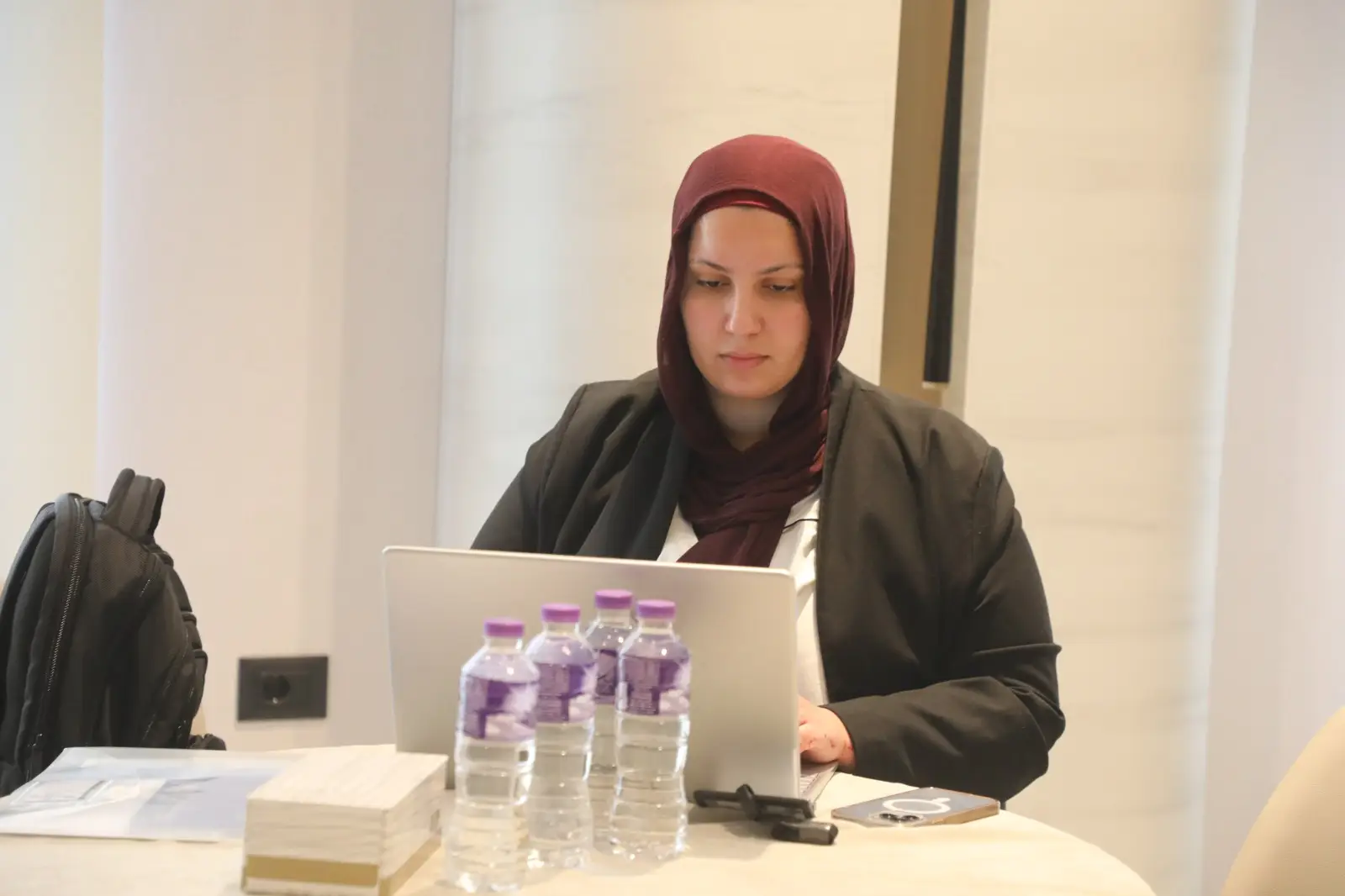
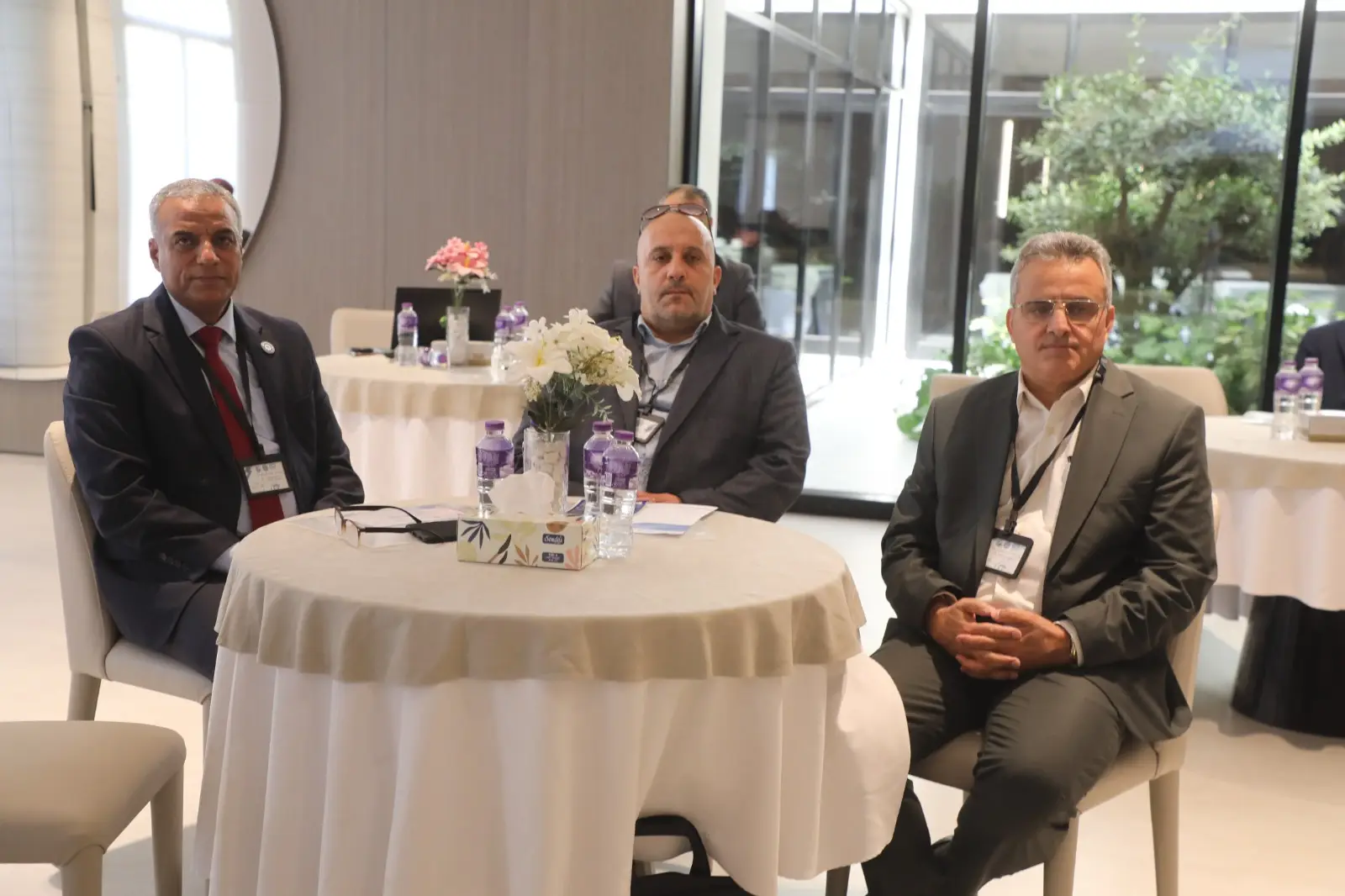
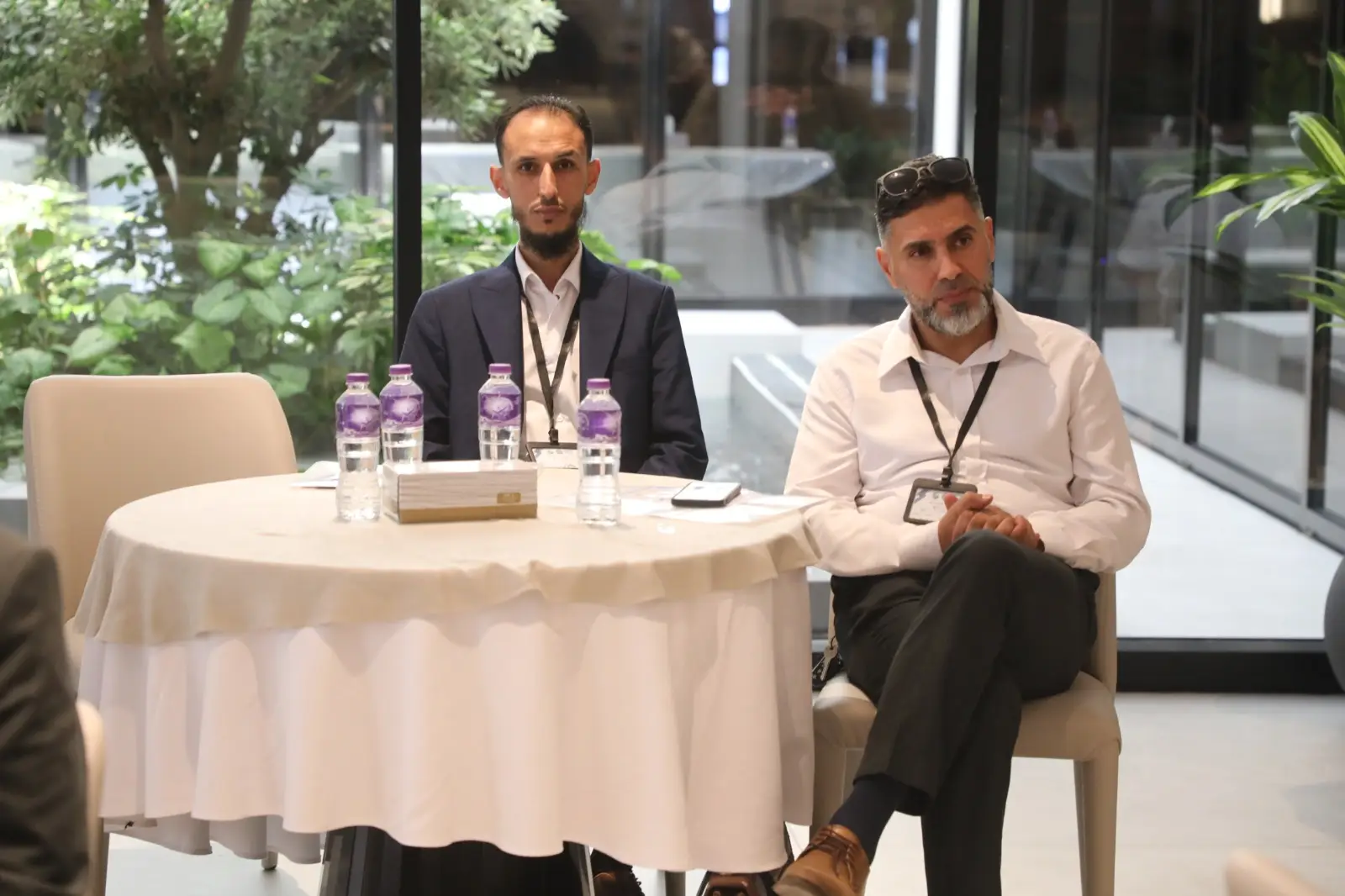
The workshop, entitled “Blue Economy in Libya: Challenges and Constraints – Integrating Biodiversity and Fisheries into the National Action Plan (NAP+)”, brought together representatives from national authorities, universities, research institutions, civil society organizations, fisheries stakeholders and international partners, including SPA/RAC and UNDP.
Building on the national blue economy process
The workshop provided an opportunity to present the National Blue Economy Study prepared under the FishEBM MED project, together with the proposed framework for the preparation of the NAP+. Participants were introduced to the project’s ecosystem-based approach, which aims to integrate biodiversity conservation and sustainable fisheries into national blue economy planning.
Technical presentations addressed key themes including the current status, opportunities and challenges of the blue economy in Libya, the role of aquaculture in sustainable development, renewable energy and environmental sustainability, as well as the institutional framework supporting the national blue economy agenda.
A participatory process towards the NAP+
Interactive working sessions focused on identifying priorities and challenges related to fisheries management, biodiversity conservation, aquaculture, governance and stakeholder engagement. Participants also discussed the stakeholder mapping and the institutional arrangements that will guide the preparation of the NAP+.
The discussions highlighted the importance of strengthening coordination among national institutions, promoting sustainable management of marine resources and ensuring that biodiversity and fisheries are fully integrated into future blue economy policies.
The workshop concluded with a set of recommendations that will guide the next stages of the process, including the preparation of Libya’s National Action Plan Plus and Investment Plan under the FishEBM MED project.