
UNEP/MAP-SPA/RAC, in close collaboration with IUCN Med, the University of Rome Tor Vergata, FAO-GFCM, and Senckenberg Research Institute, organized the workshop Pinna nobilis conservation and management from 14 to 16 April 2026 in Jesolo, Italy.
Pinna nobilis is one of the Mediterranean’s most threatened marine species. Endemic to the region, it is the largest marine bivalve mollusc in the Mediterranean and plays an important ecological role by providing habitat for many associated species.
After earlier declines caused by human pressures, populations have collapsed since 2016 following a mass mortality event linked to pathogens and aggravated by environmental stressors, including climate change. The species is listed in Annex II of the Protocol concerning Specially Protected Areas and Biological Diversity, covering endangered and threatened species.
New prospects for saving an emblematic species
While the situation remains critical, scientific knowledge is progressing and new conservation pathways are emerging. In this context, the workshop brought together Mediterranean researchers and site managers to present the latest advances, exchange practical experience, and discuss stronger regional coordination for action.
The first day focused on current scientific progress in ex-situ conservation. SPA/RAC presented the restoration programme for Pinna nobilis, adopted by the Contracting Parties to the Barcelona Convention at CoP 23 (Portorož, Slovenia, 5–8 December 2023). Discussions addressed technical challenges of maintaining the species in captivity.Participants also visited the field unit of the Laboratory of Experimental Ecology and Aquaculture of the University of Rome Tor Vergata, located in the Venice Lagoon, where they observed the set-up for ex-situ maintenance and the application of protocols for food preparation designed to optimize growth and gonadal maturation.
The second day focused on advances in in situ conservation in coastal habitats, with particular attention to transitional systems as potential conservation shelters for the species. Managers and researchers presented examples of ongoing national strategies, regulations, and management measures for the protection of Pinna nobilis.
This was followed by group work, during which participants examined the species’ ecological needs and the challenges related to co-location and governance. Management approaches were explored across different types of systems, including public multi-use lagoons, delta and agricultural systems, aquaculture-dominated systems, and private valli and marine areas.
Towards stronger Mediterranean coordination
The discussions continued with exchanges on ecological, hydrological, and coexistence conditions, as well as governance and coordination aspects, to refine an integrated management guideline.
The outcomes of the discussions held during the first and second days will be incorporated into ex-situ maintenance and rearing guidelines, as well as into a management guideline to be finalized in the upcoming months.
The workshop concluded with discussions on the establishment of a Mediterranean coordination mechanism to support and oversee conservation activities for Pinna nobilis. Participants addressed the need to set up coordinated working groups within a pan-Mediterranean task force, covering the full range of actions from monitoring to translocation, with the aim of strengthening the effectiveness of future conservation efforts.



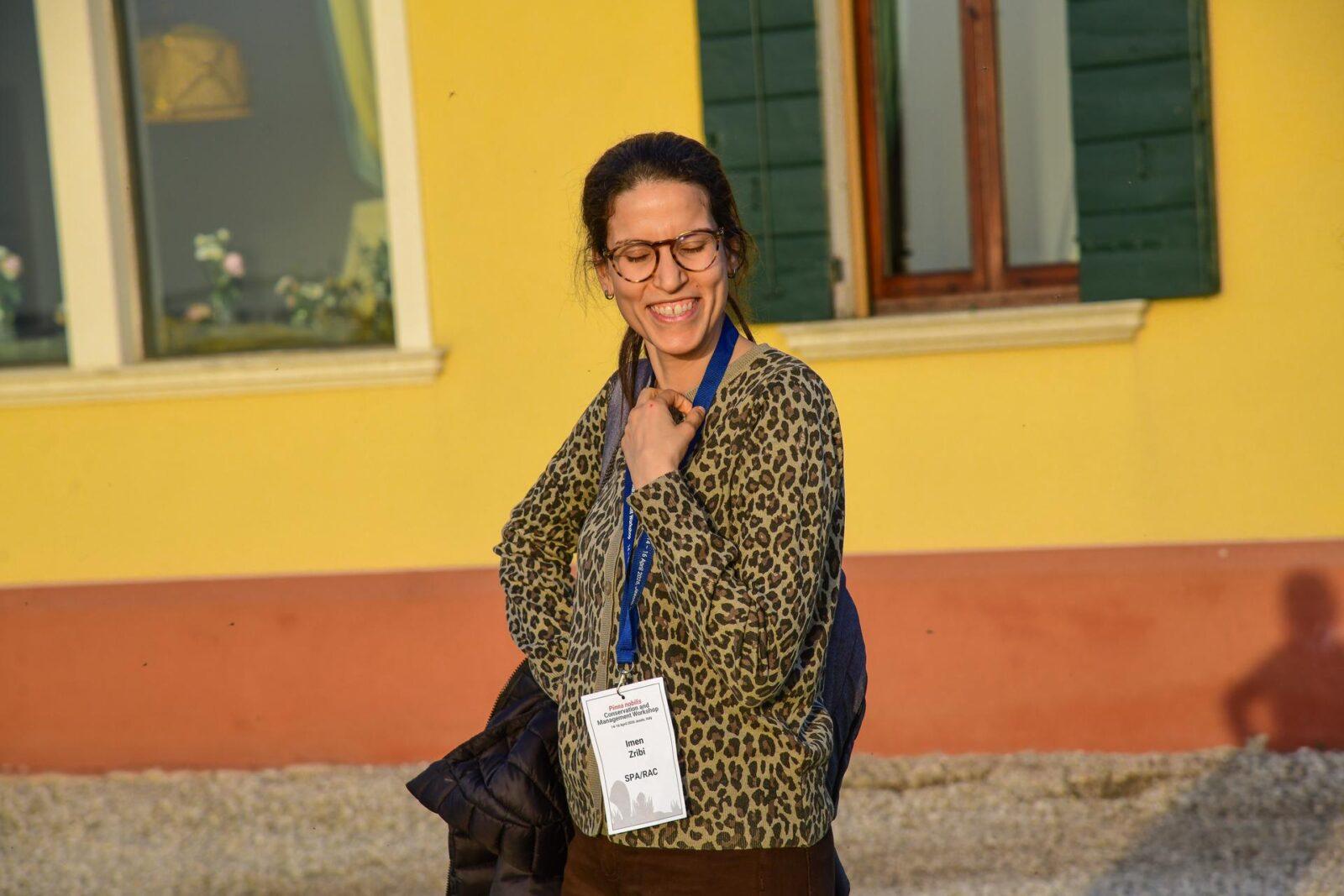
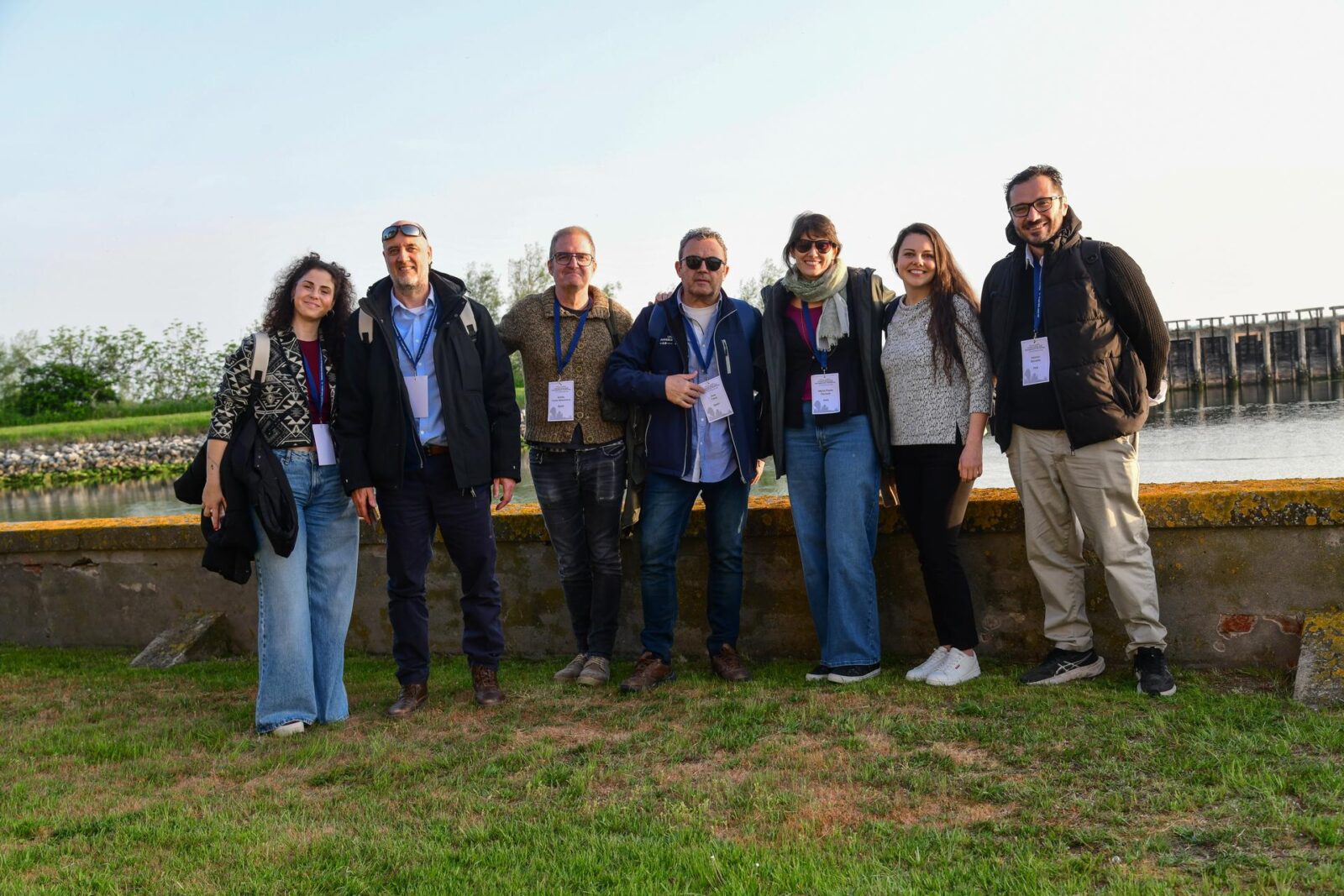


Photos of Arnold Rakaj