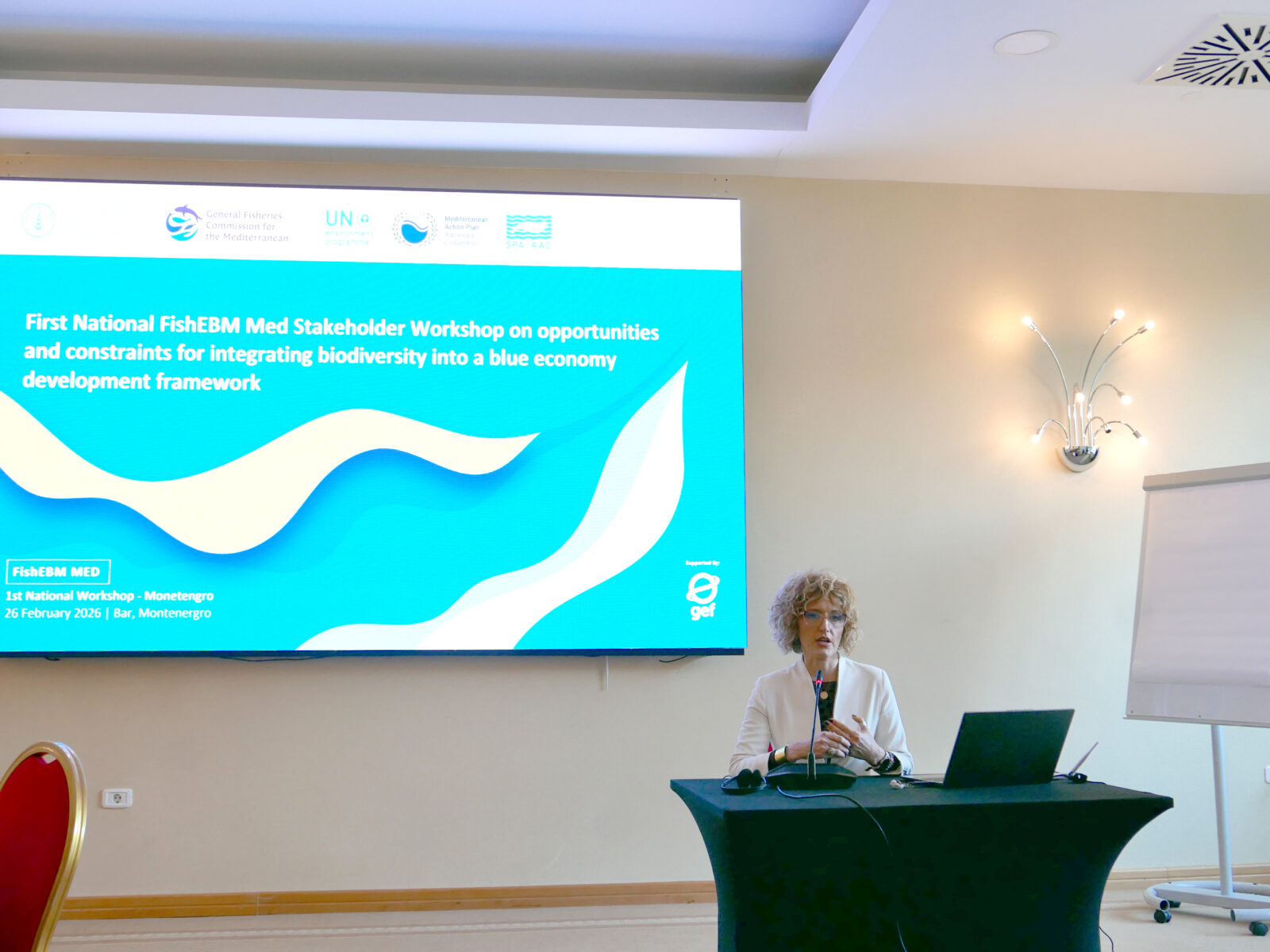
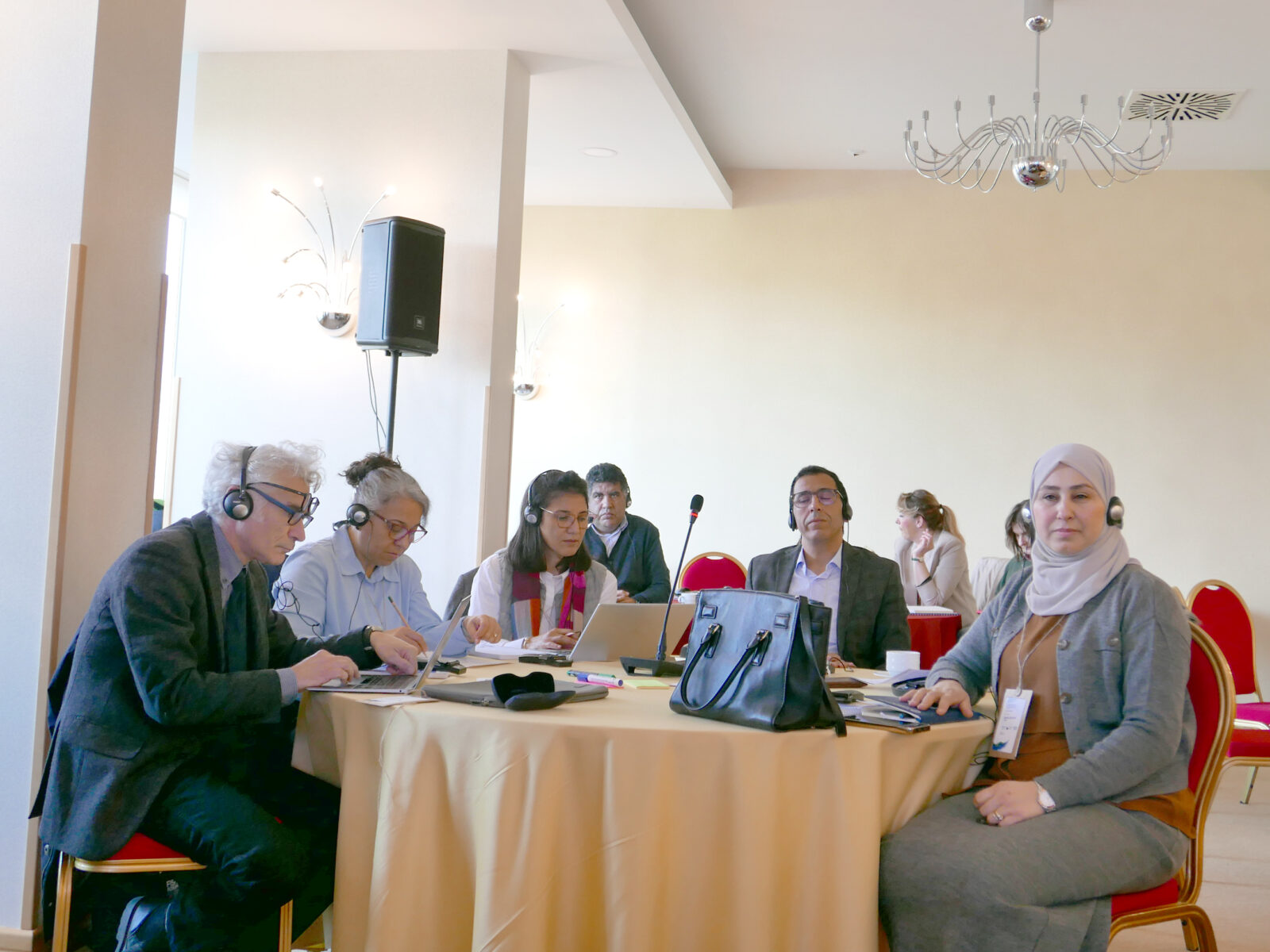
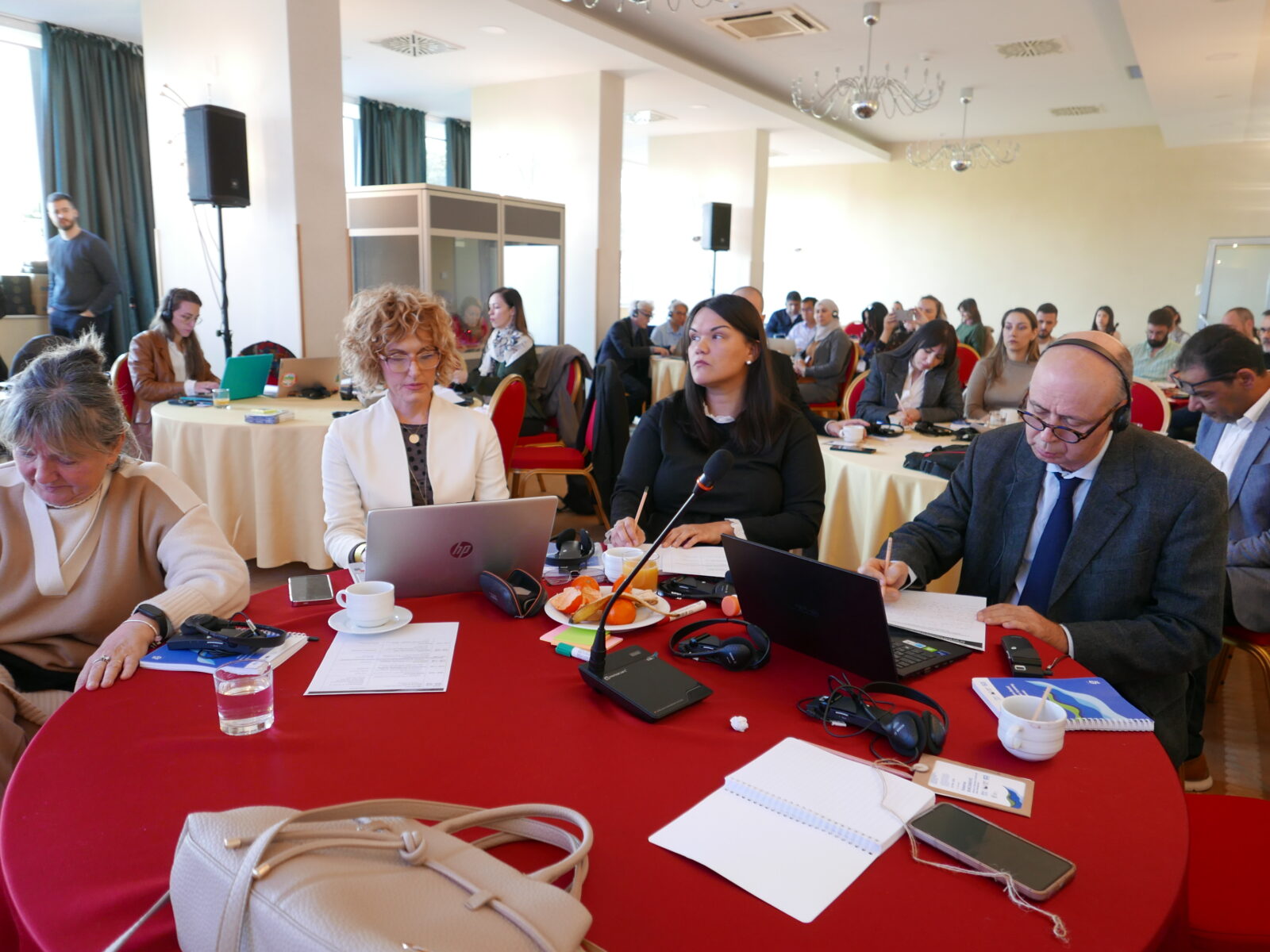
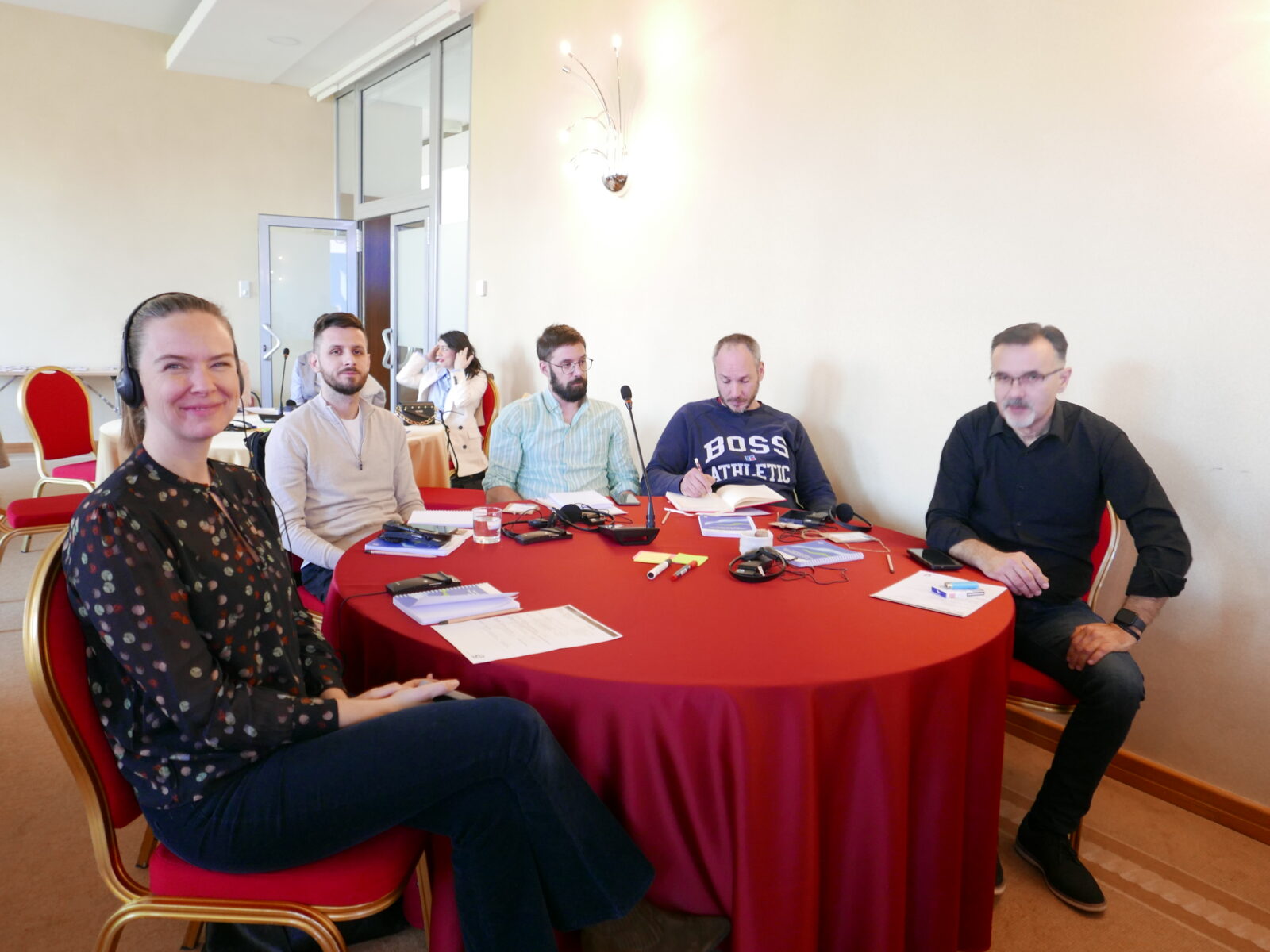
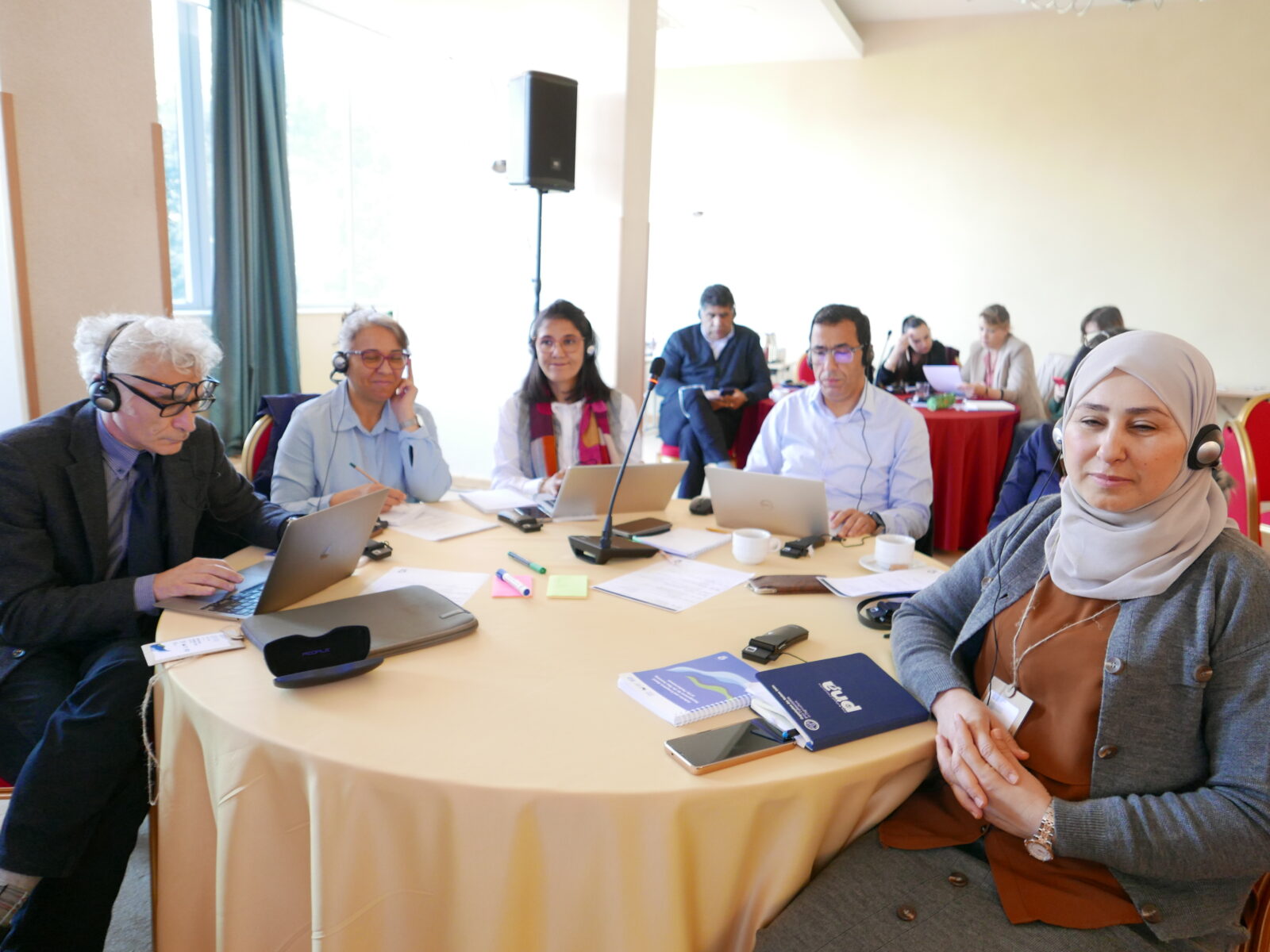
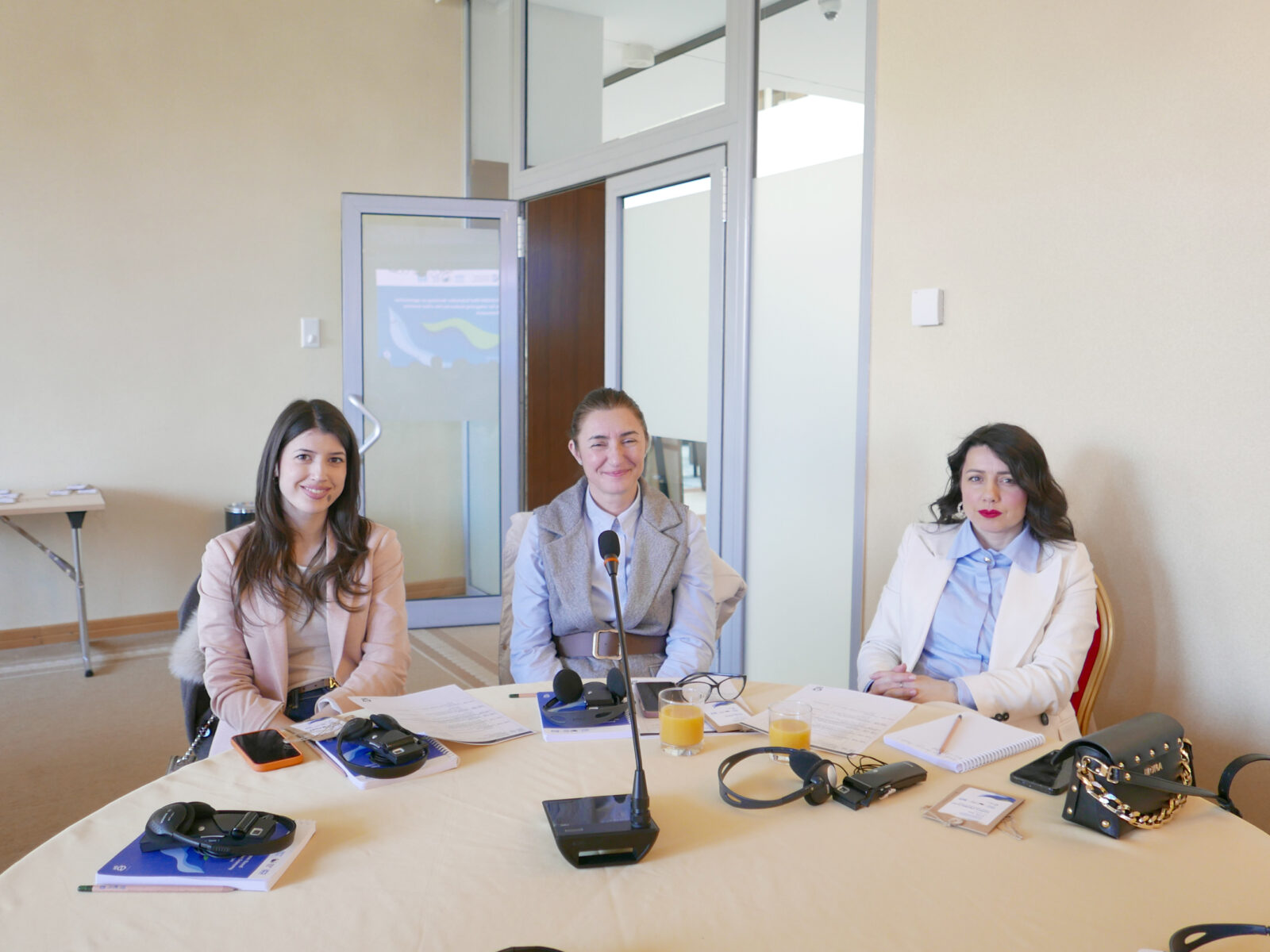
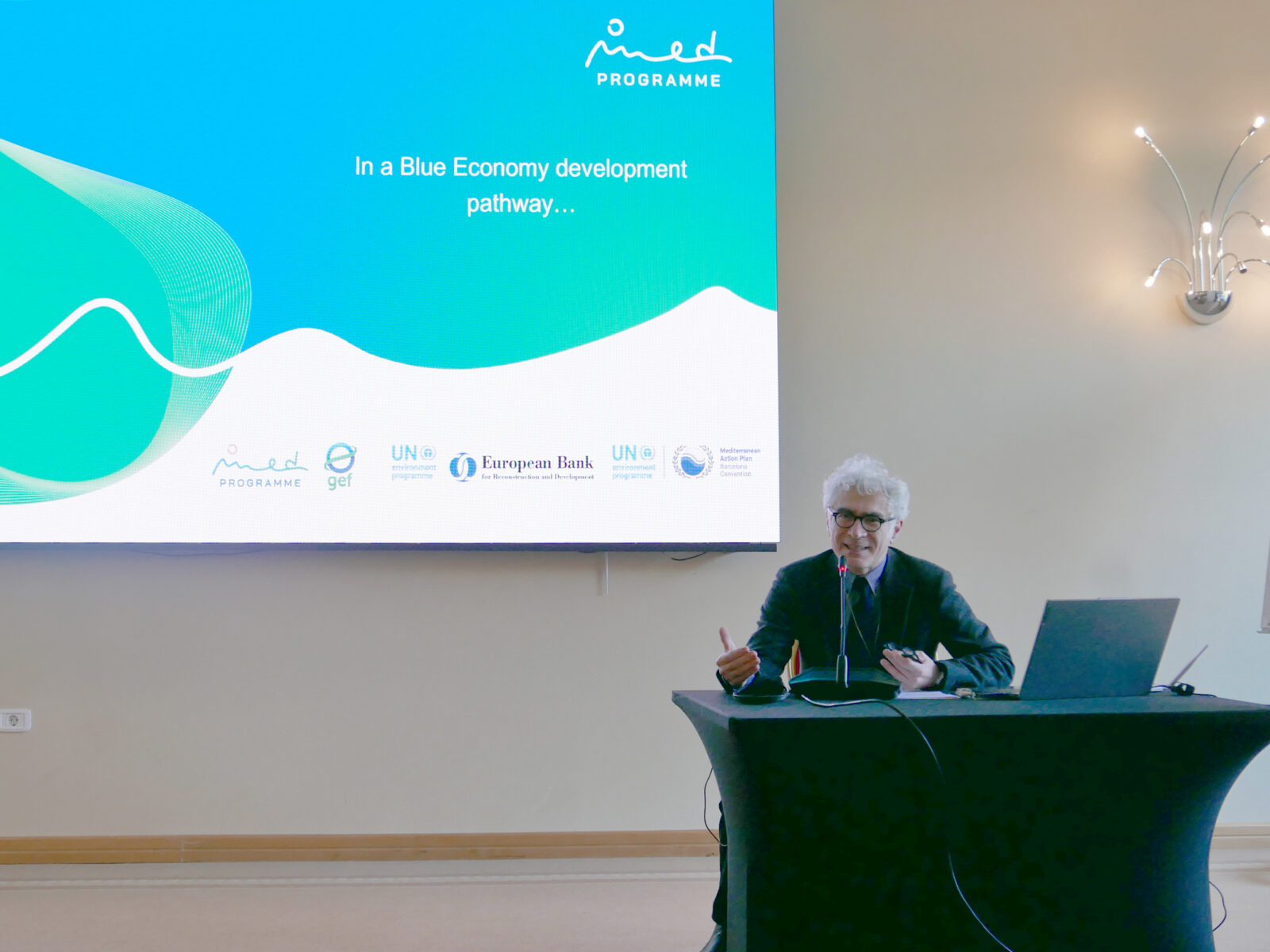
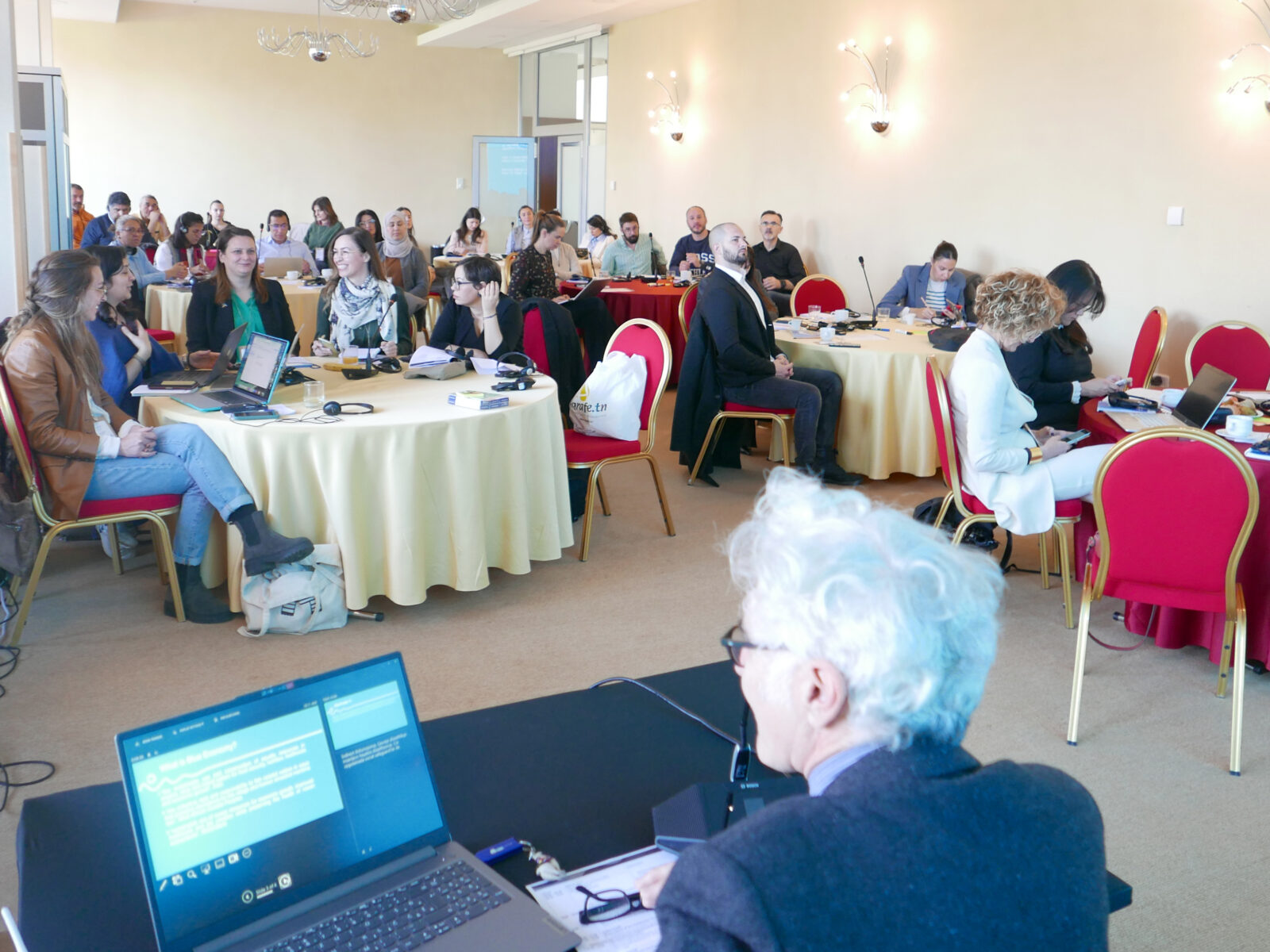
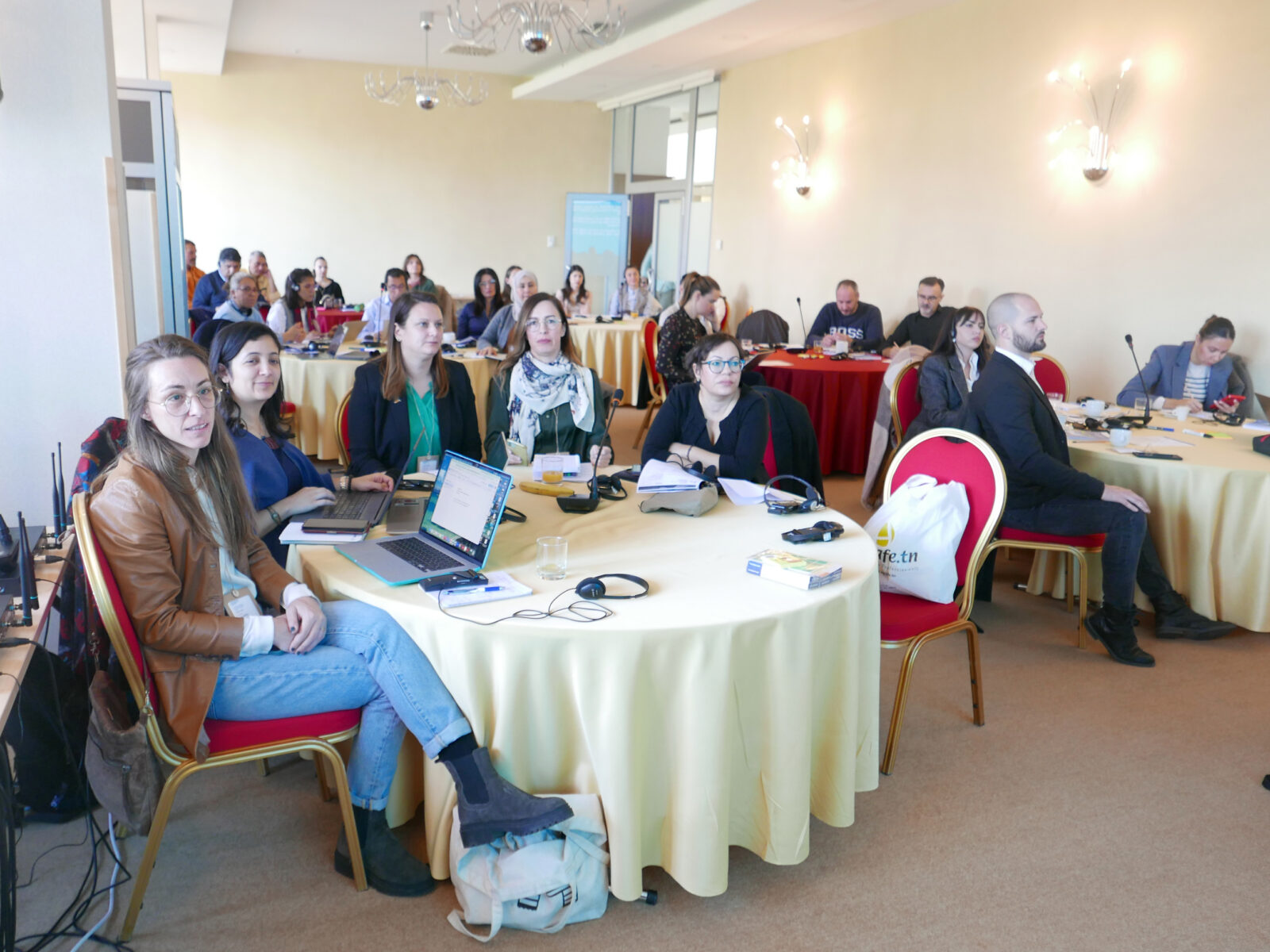
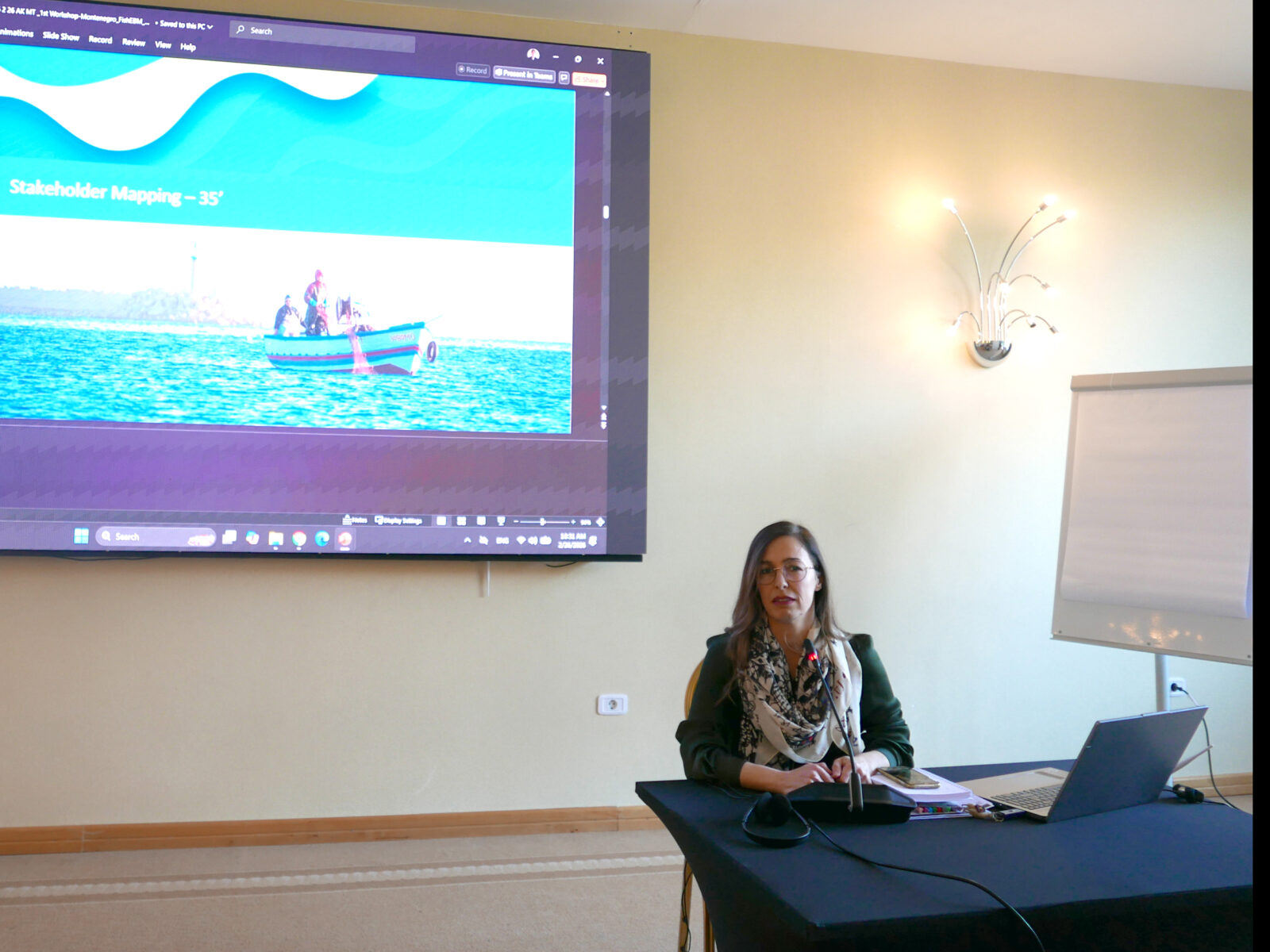
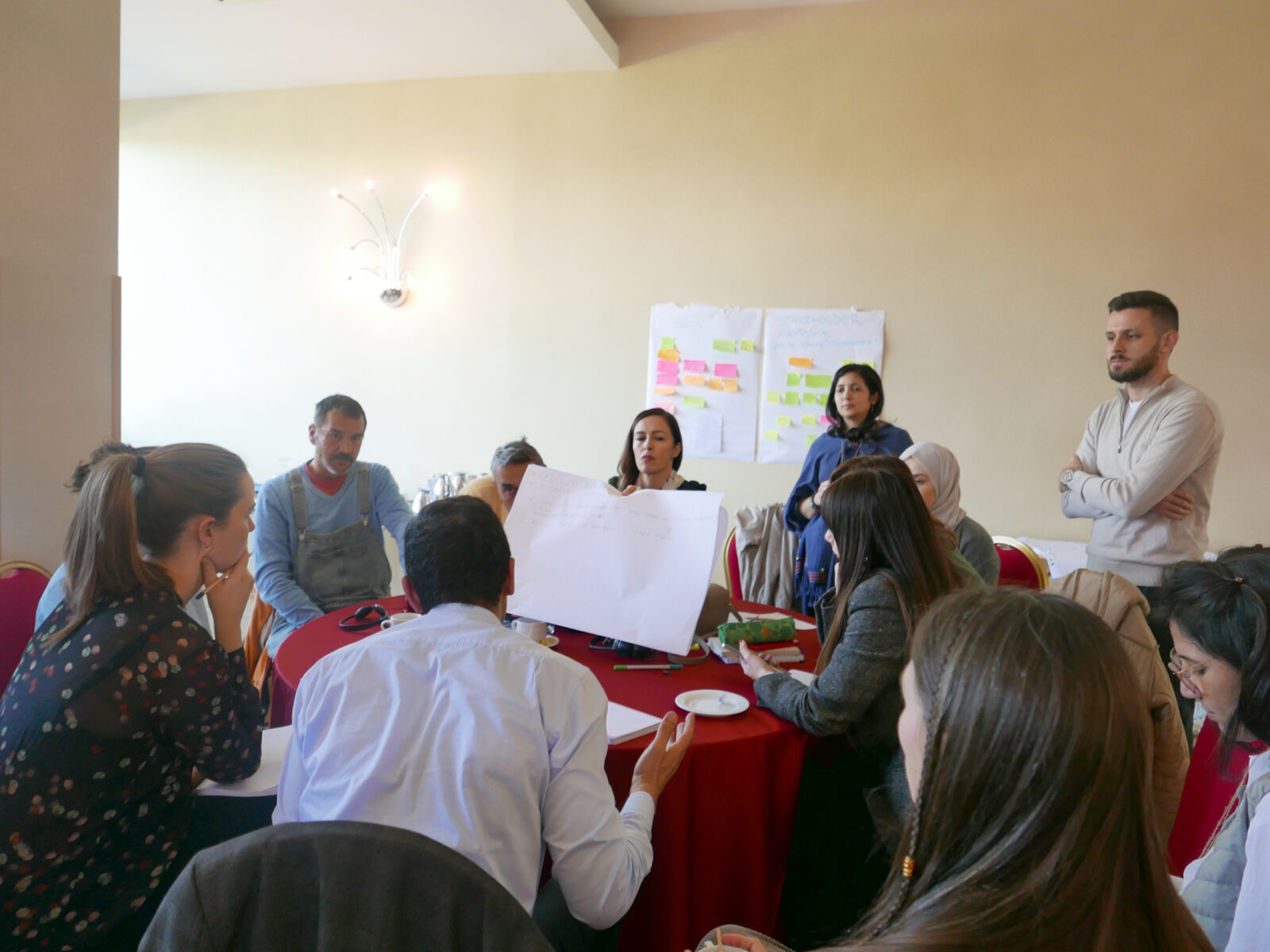
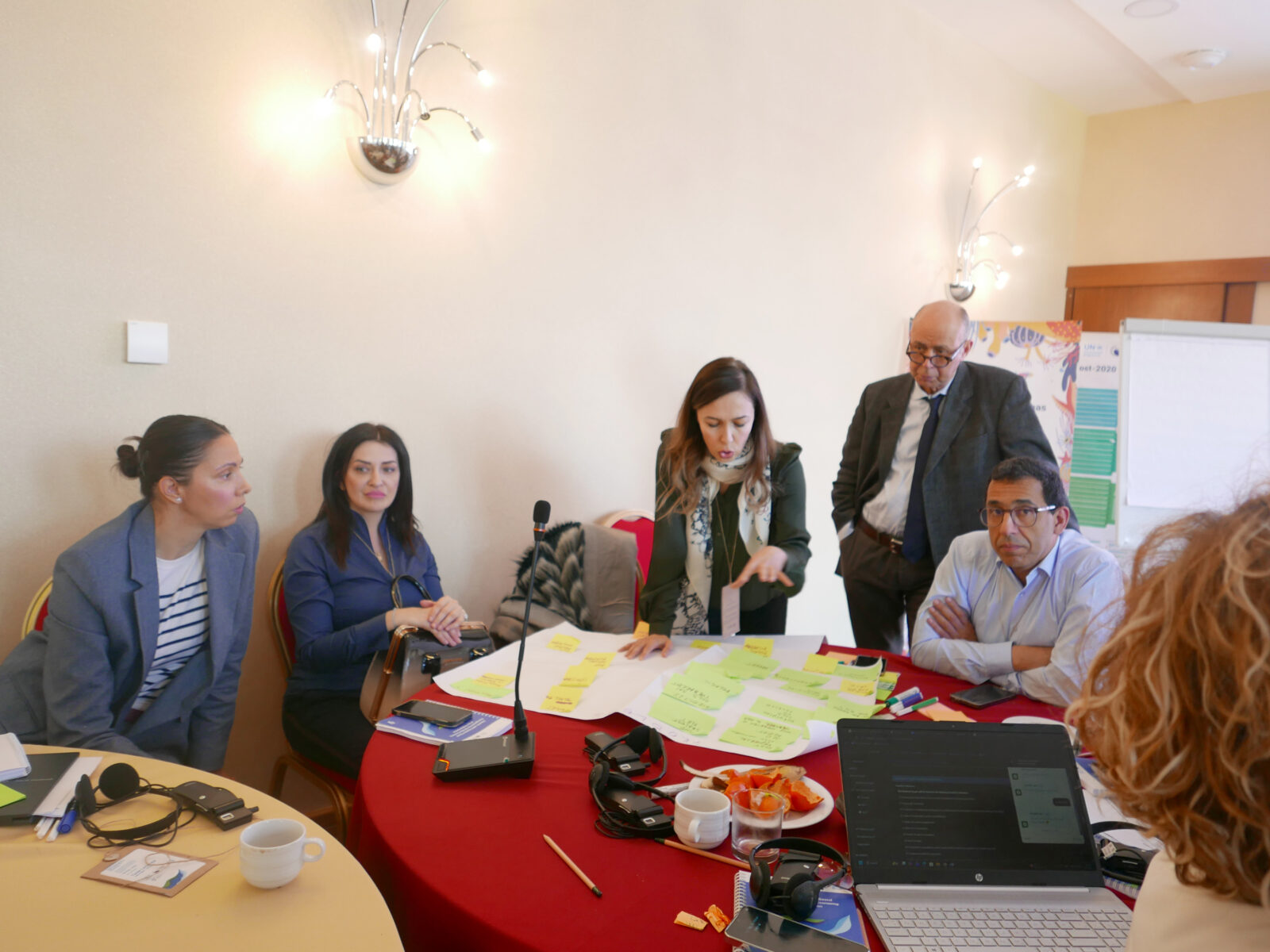
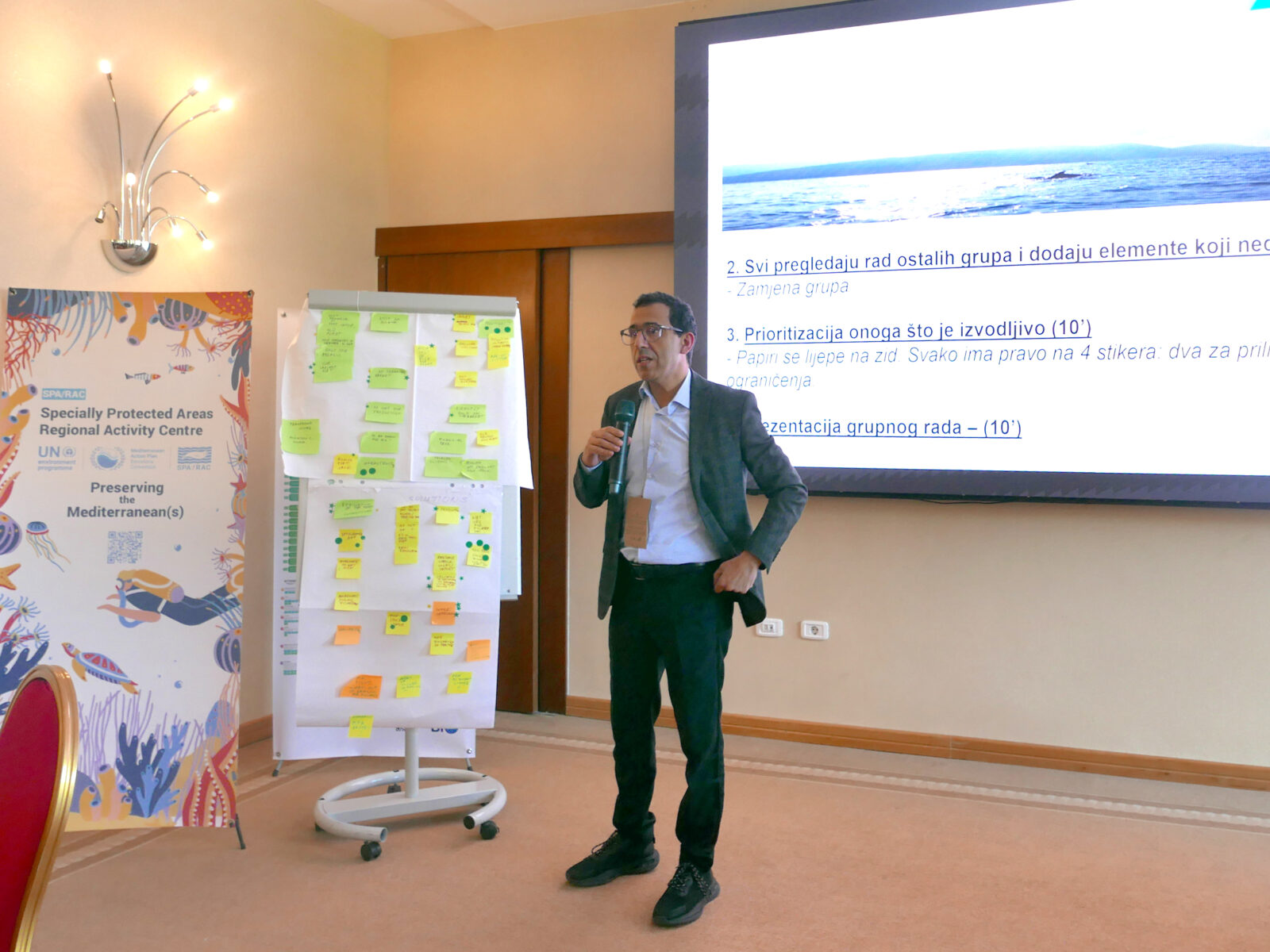
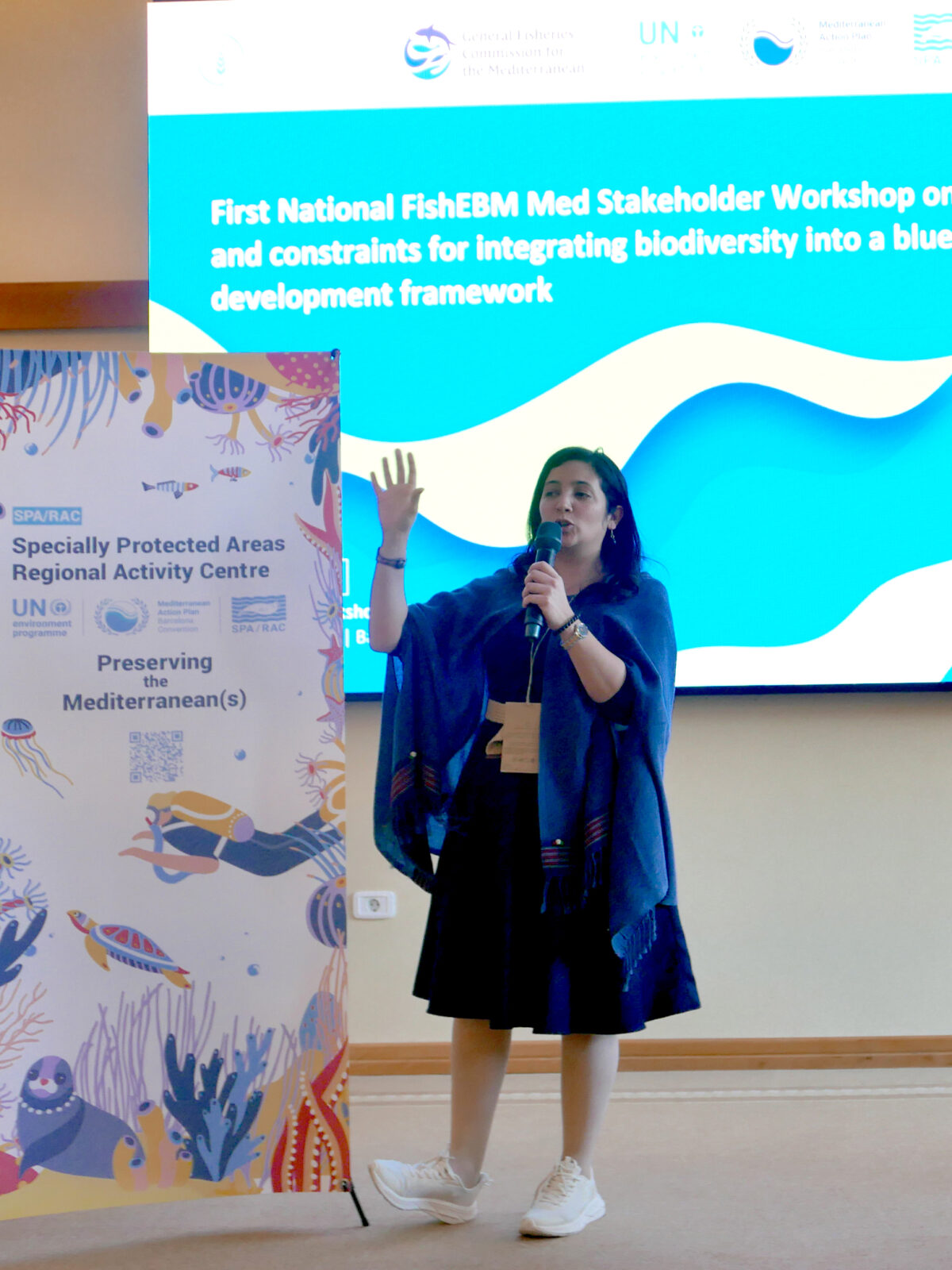
On 26 February 2026, the FishEBM MED project convened its first national stakeholder workshop in Bar, Montenegro, marking the official launch of the NAP+ development process.
The workshop brought together stakeholders from fisheries, aquaculture, tourism, research institutions, and public authorities to explore how biodiversity can be effectively integrated into the blue economy.
A participatory start to the NAP+ process
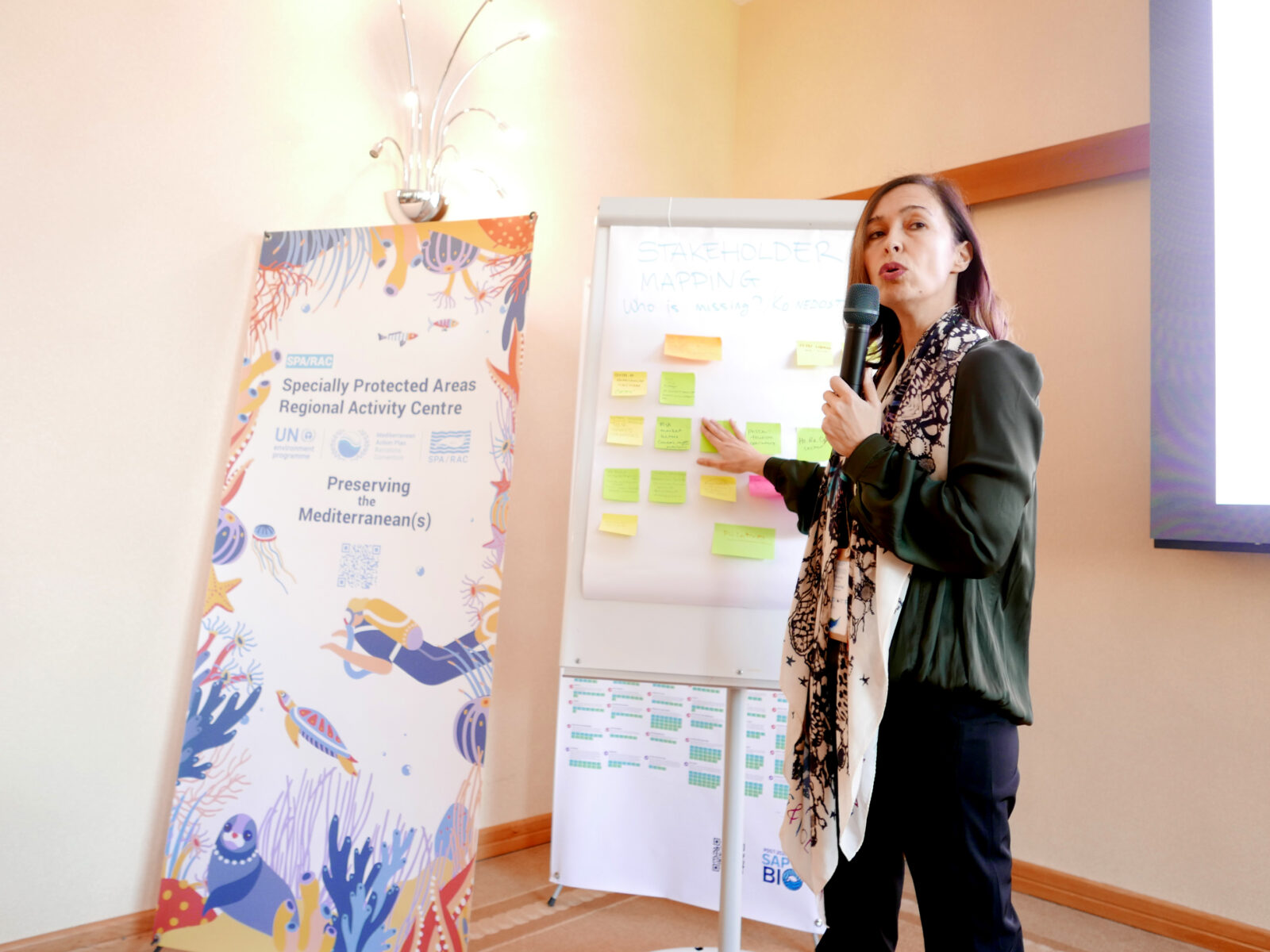
Designed as an inception workshop, the event aimed to present the NAP+ methodology, validate and expand the stakeholder mapping, and collect initial inputs to guide future planning.
Participants actively contributed to discussions, identifying missing actors and highlighting the need for stronger inclusion of research institutions, private sector actors, and underrepresented groups, including women in fisheries.
Building a shared vision for 2030 and 2050
Stakeholders worked collectively to define both short-term (2030) and long-term (2050) visions for Montenegro’s blue economy.
In the short term, priorities include:
- strengthening marine and coastal conservation
- reducing pollution (notably wastewater and microplastics)
- supporting sustainable tourism
- stabilising fish stocks
In the long term, the vision focuses on:
- stronger integration between sectors
- improved monitoring and control systems
- reducing major environmental pressures, including plastic pollution
Key challenges identified
Across fisheries and blue tourism sectors, participants highlighted several structural constraints:
- ageing fishing fleet and workforce
- weak market organisation and high dependency on imports
- lack of infrastructure (ports, processing facilities)
- pollution and inadequate waste management systems
- illegal activities and weak enforcement
- pressures from unregulated tourism development
Opportunities for transformation
Despite these constraints, the workshop highlighted strong potential for developing a sustainable and competitive blue economy in Montenegro.
Key opportunities include:
- strengthening fisheries governance and market regulation
- developing value chains and processing capacity
- promoting sustainable tourism products (e.g. eco-tourism, diving, gastronomy)
- enhancing marine protected areas and conservation measures
- supporting innovation, awareness, and regional cooperation
Participants also emphasised the importance of linking conservation efforts with tangible economic benefits.
Way forward: from dialogue to action
The workshop concluded with a set of priority actions to feed into the NAP+, including:
- expanding and updating stakeholder engagement
- addressing pollution and improving traceability in fish markets
- supporting pilot initiatives (e.g. eco-tourism, small-scale processing, awareness campaigns)
- strengthening monitoring, enforcement, and institutional coordination
These initial findings will inform the next steps of the NAP+ development process, ensuring that future interventions are both evidence-based and stakeholder-driven.
FishEBM MED is a regional initiative funded by the Global Environment Facility (GEF) and implemented by FAO and UNEP/MAP, in collaboration with GFCM and SPA/RAC. It supports Mediterranean countries in advancing ecosystem-based fisheries management and integrating biodiversity into blue economy planning.
The full workshop outcomes, including detailed findings and stakeholder inputs, are available in the workshop report.