Specially Protected Areas of Mediterranean Importance (SPAMIs) constitute a network of marine and coastal sites recognized under the SPA/BD Protocol of the Barcelona Convention for their ecological importance at the Mediterranean scale.
Beyond their ecological value, SPAMIs now represent spaces where concrete approaches to adaptive management, co-management and local stakeholder participation are being developed, together with systematically reviewed management models. Unlike many conventional protected areas, SPAMIs are subject to a regional periodic evaluation mechanism designed to assess not only their ecological value, but also the effectiveness of their management, their governance mechanisms, their operational capacities and their involvement in Mediterranean cooperation dynamics.
Unlike most protected area networks, the SPAMI review mechanism is based on a binding minimum threshold and on Technical Evaluation Committees composed of both national and institutional representatives from the Contracting Party hosting the site, and experts external to that country. This configuration is designed to ensure the methodological independence of the evaluation process and the comparability of results at the regional level.
Between 2020 and 2025, the 39 SPAMIs within the network underwent a periodic evaluation process, through a framework consistent with the post-2020 strategic pillars for Marine and Coastal Protected Areas (MCPAs) and Other Effective Area-Based Conservation Measures (OECMs): governance; coverage expansion; OECM integration; management effectiveness; stakeholder support and equity; with network connectivity considered as a cross-cutting dimension.
Participation as a component of management effectiveness
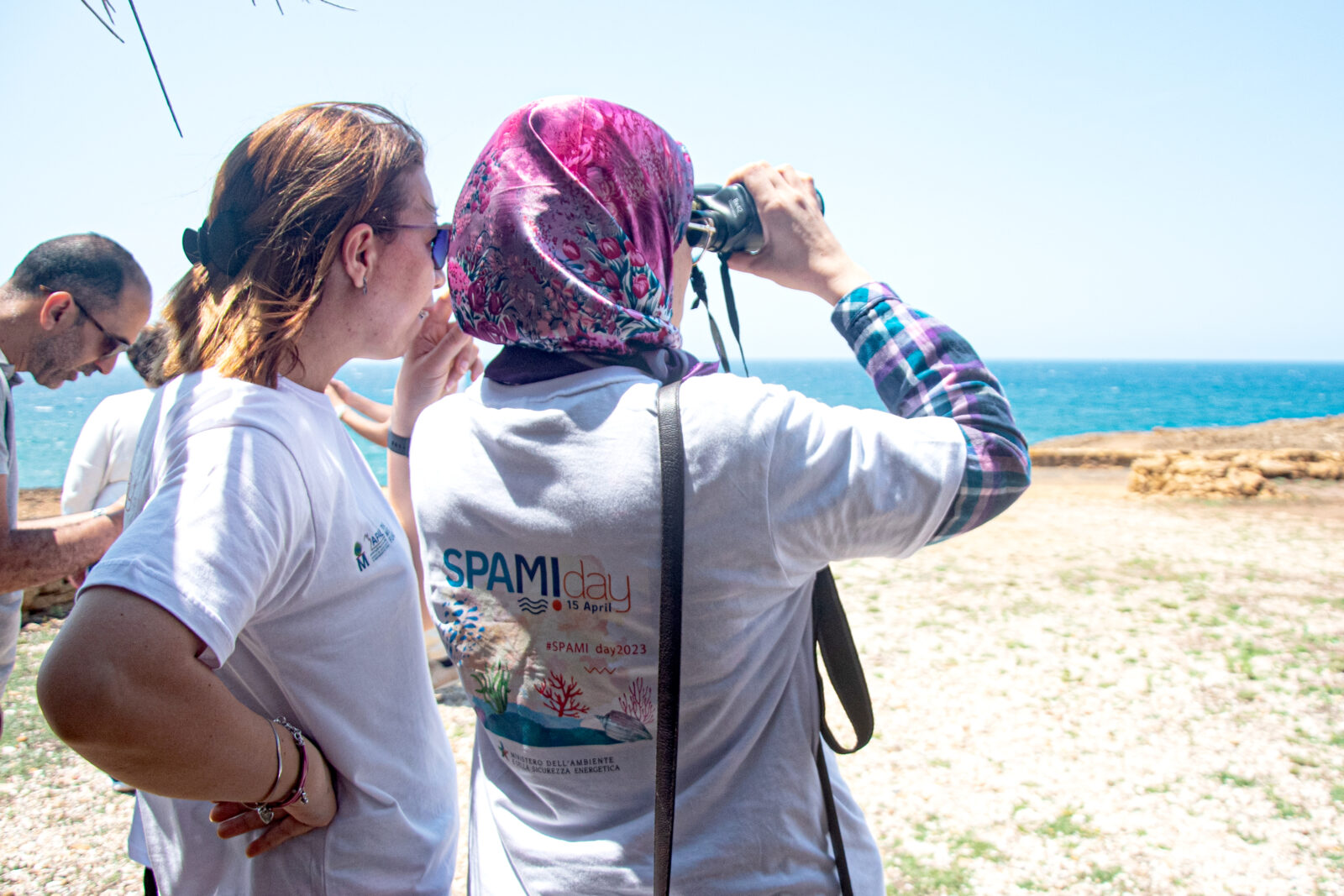
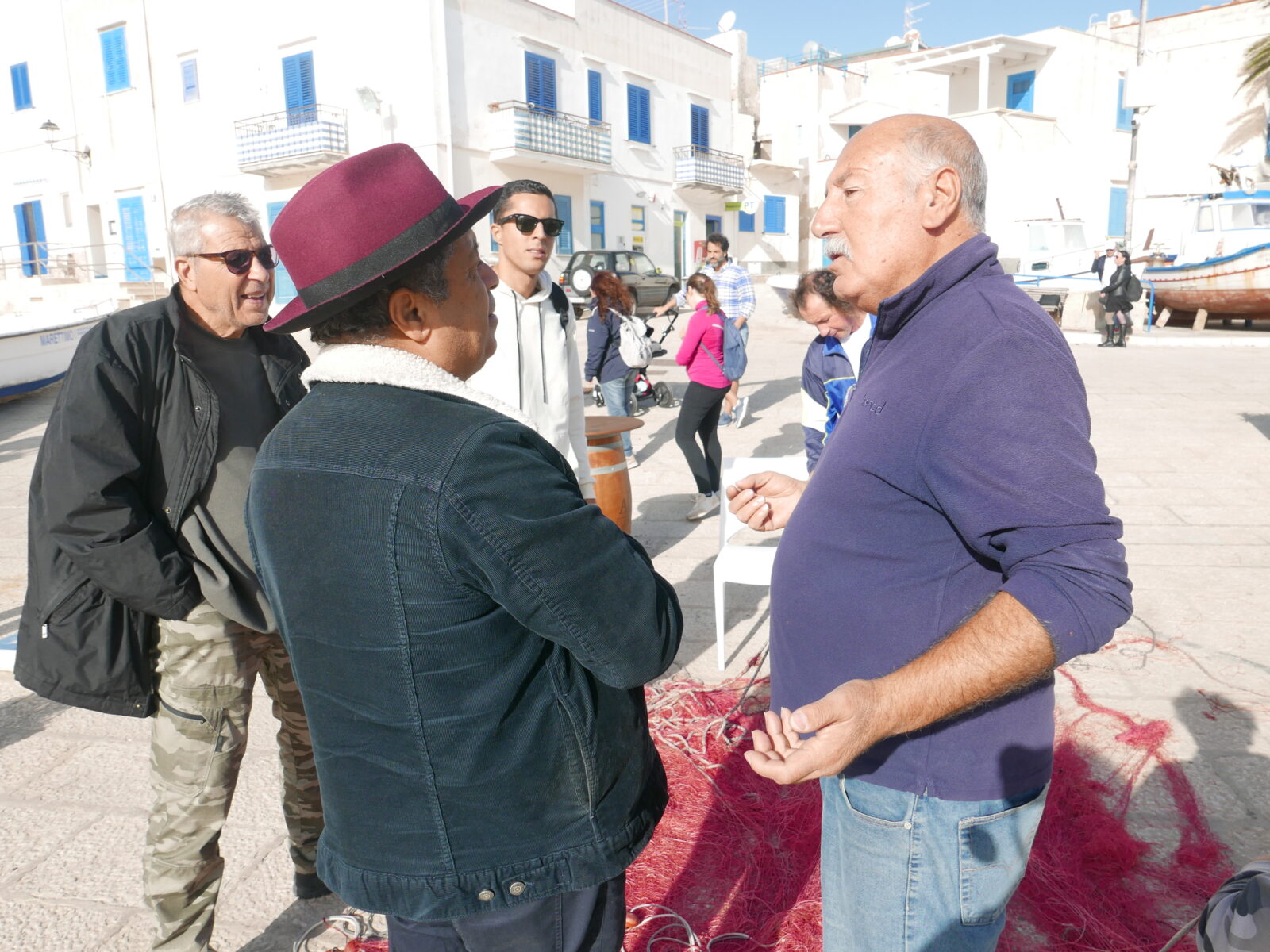
The results of this evaluation cycle show that participatory mechanisms are now widely integrated into the functioning of Mediterranean SPAMIs. In particular:
- aggregated performance related to stakeholder support and equity reaches 76.5%;
- 43% of the evaluated sites (16 out of 39) achieved a level of co-management considered transformative under the adopted operational framework, i.e. a score ≥ 75% under the “stakeholder support and equity” pillar, reflecting the existence of participatory bodies with decision-making power, formal benefit-sharing mechanisms and documented conflict-resolution procedures.
These results indicate that ecosystem protection does not rely solely on regulatory measures, but also on the involvement of local communities, fishers, associations, scientists and managers in decision-making and management processes.
As highlighted by the Post-2020 Regional Strategy for Marine and Coastal Protected Areas (MCPAs) and Other Effective Area-Based Conservation Measures (OECMs) in the Mediterranean, inclusive and participatory governance is an essential component of effective conservation systems.
Management effectiveness, assessed alongside participation, reaches an average of 80.5% across the evaluated sites — a result confirming both the operational maturity of the network and the value of the evaluation mechanism as a tool for continuous improvement.
Continuous improvement within the SPAMI network
The periodic evaluations of SPAMIs, coordinated by SPA/RAC within the framework of the SPAMI List review mechanism, play a central role in supporting continuous improvement across the network. Beyond assessing compliance with ecological and management criteria, these evaluations help identify challenges faced by sites and formulate concrete recommendations.
SPA/RAC further supports these dynamics through technical assistance, the development of methodological tools, regional coordination, capacity-building and experience-sharing activities, as well as the promotion of cooperation through regional projects and initiatives.
Through the SPAMI Twinning Programme coordinated by SPA/RAC, several sites have developed exchanges of expertise and capacity-building initiatives on topics such as adaptive management, small-scale fisheries, ecological monitoring, and the management of uses and conflicts. Across four editions (2018–2024), the programme contributed, among other results, to the development of four ISEA management plans (Karaburun-Sazan in Albania, Habibas in Algeria, Strunjan in Slovenia, and Kneiss in Tunisia), as well as the introduction of cross-twinning models in 2024.
The SPAMI network functions as a platform for cooperation and learning among Mediterranean protected area managers.
Inspiring experiences across the SPAMI network
Several SPAMI examples can help illustrate initiatives where participatory governance, scientific monitoring and the involvement of local stakeholders jointly contribute to strengthening the effectiveness of marine conservation in the Mediterranean.
These experiences demonstrate that effective conservation depends not only on the protection of habitats and species, but also on the ability to build, over time, mechanisms for dialogue, cooperation and collective learning.
Lessons learned from SPAMIs can contribute to ongoing reflections on the status of Marine Protected Areas in the Mediterranean and on the evaluation of the implementation of the Regional Strategy for MCPAs and OECMs, as well as to the discussions that will take place within the framework of the Mediterranean MPA Forum 2026.
A dedicated publication on SPAMIs — Best practices in co-management and participatory governance — will be presented during SPAMI Day on 29 June 2026, organised in Trieste, Italy, in collaboration with Miramare SPAMI.